
Cross-Border Firearms Trafficking Is Changing – Is the Response Keeping Up?



A firearm no longer needs to cross a border in one piece. It can arrive in fragments, a buffer tube in one parcel, a rail section in another, and be assembled at the destination. It can be printed at home from a design downloaded online, or delivered by drone. This is the operational reality that border police and customs services across Southeast and East Europe are increasingly being aware of.
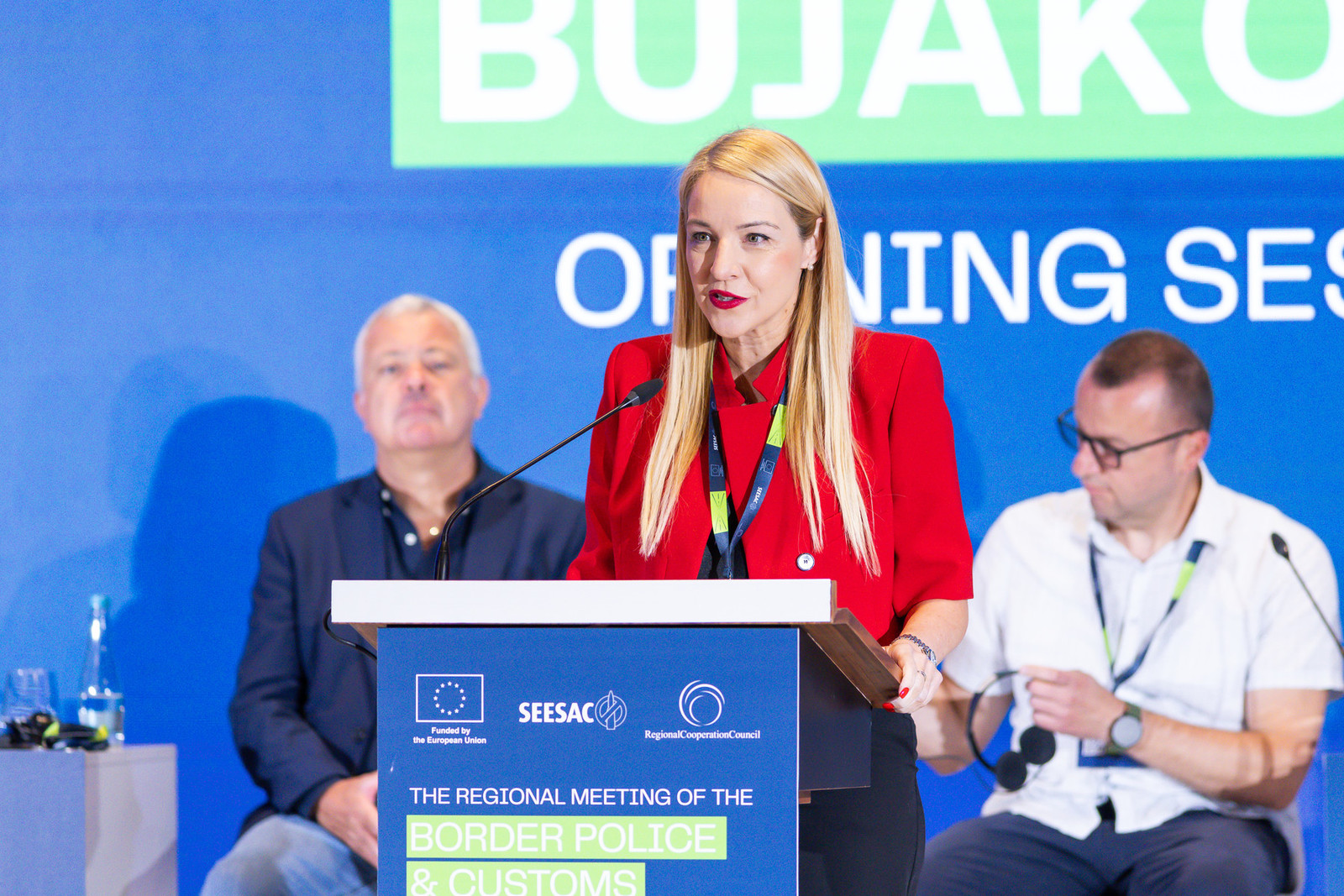
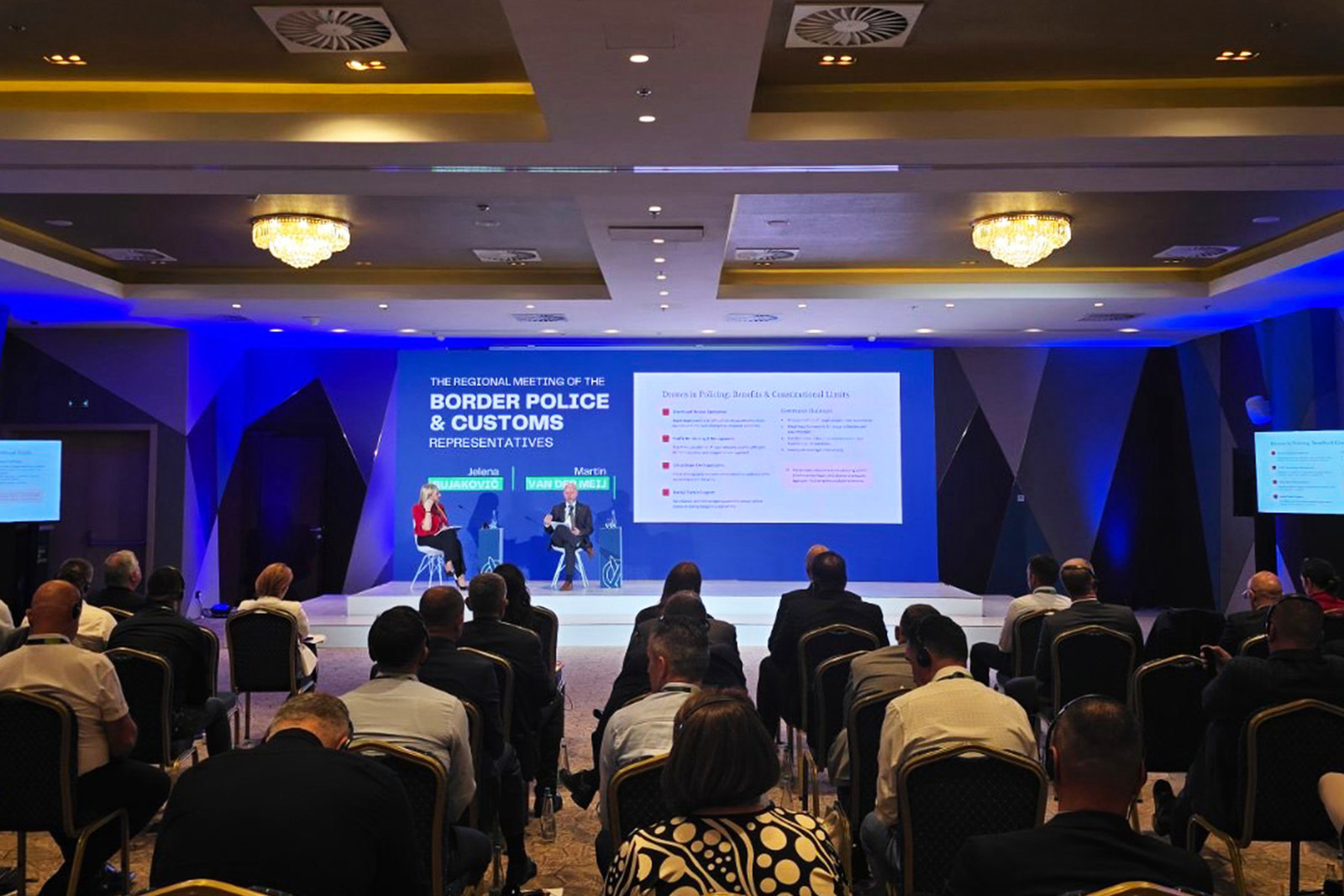
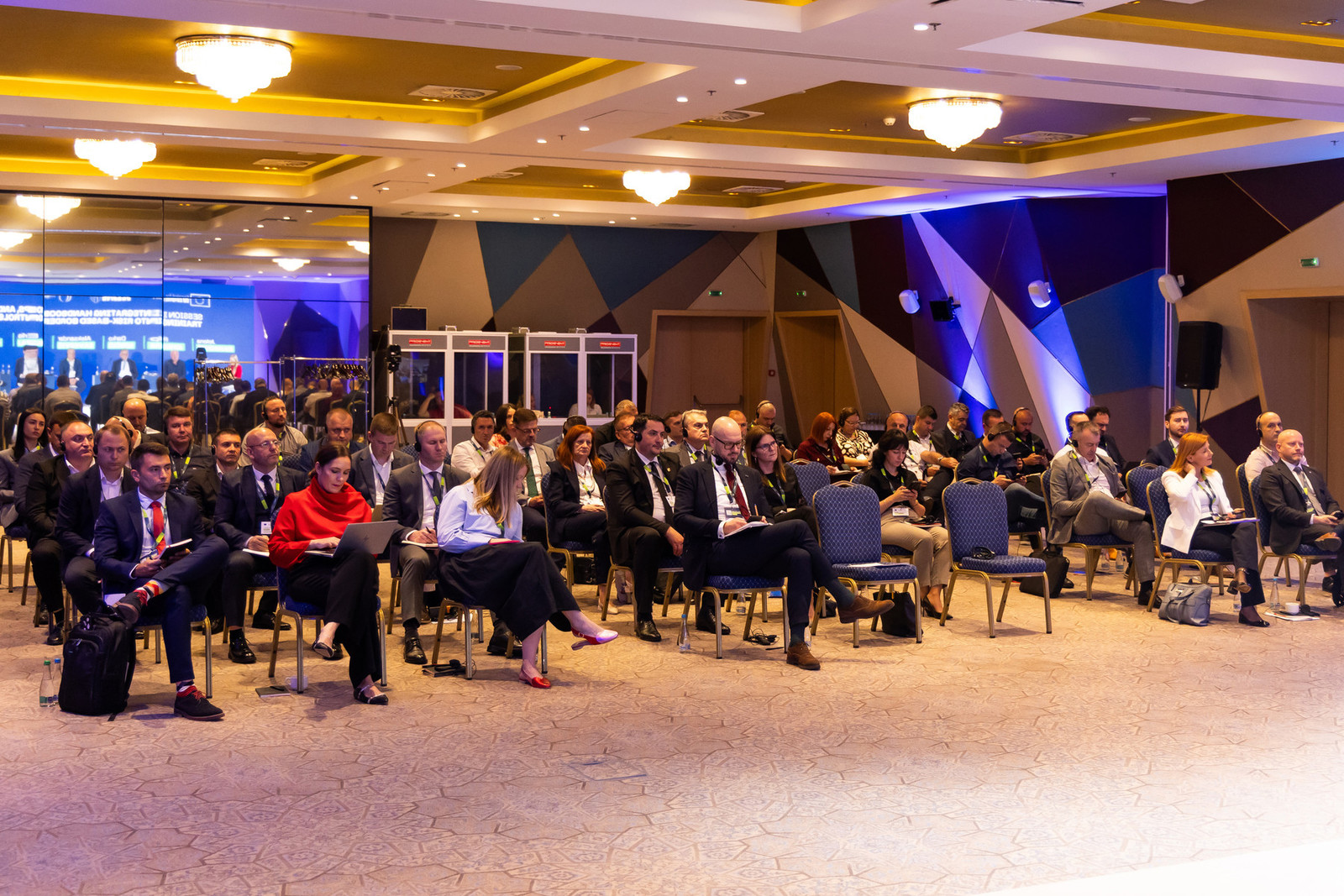
With this challenge growing in scale and complexity, SEESAC organized the Regional Meeting of Border Police and Customs Representatives in Sarajevo on 2 and 3 June 2026, bringing together customs officials, border police, forensic experts, international organizations, and regional partners to take stock of where the response stands, and where it needs to go.
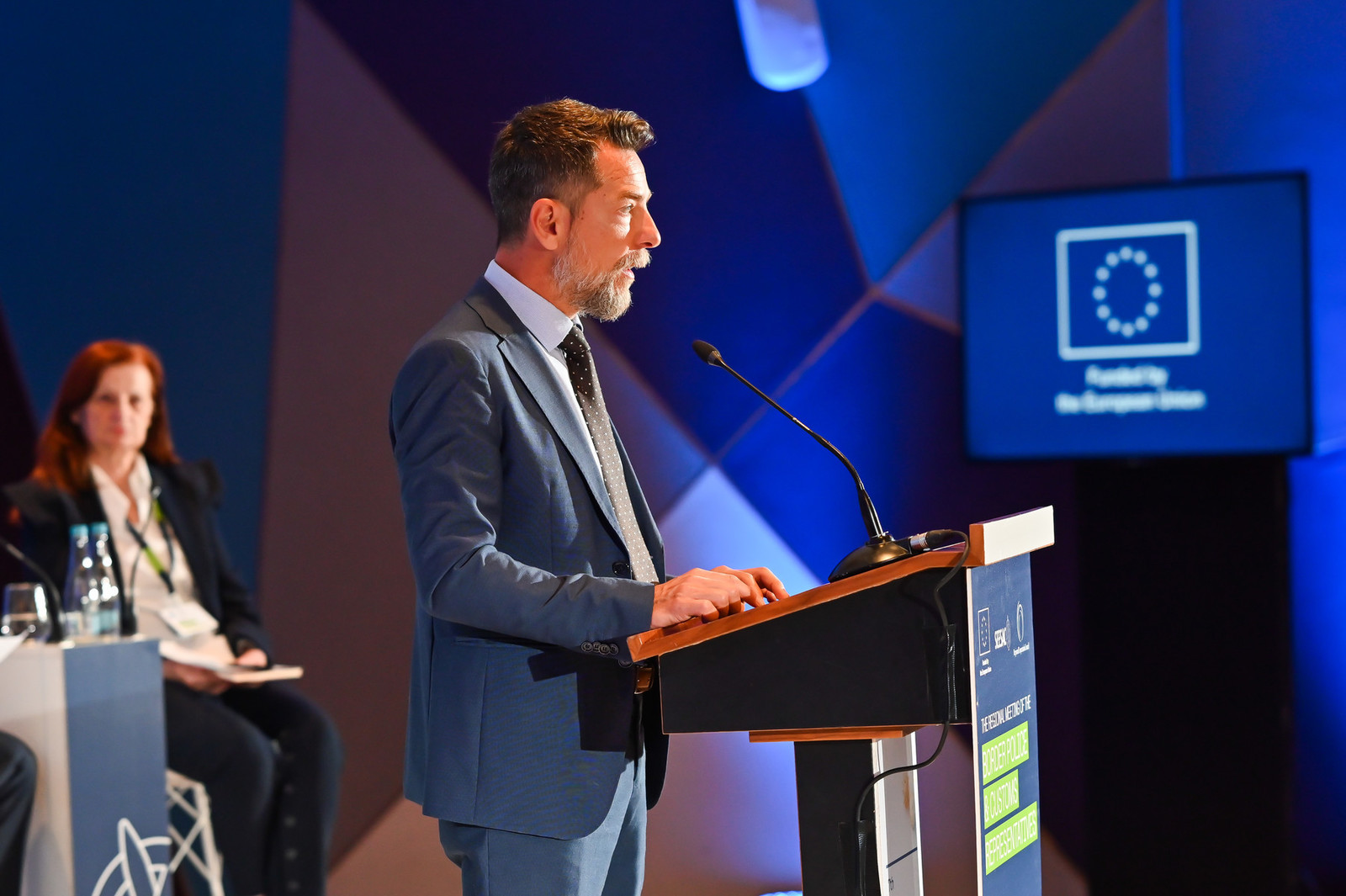
Opening the two-day event, Mr. Alfredo Strippoli, Head of the Rule of Law Section at the Delegation of the European Union to Bosnia and Herzegovina, noted that "emerging technologies, including 3D printing and the use of drones, are creating new challenges for law enforcement," adding that "keeping pace with these developments requires responses that are equally agile, informed, and coordinated." Mr. Aner Zuković, Senior Expert on Security at the Regional Cooperation Council, reinforced the call for practical action: "Security cooperation must remain practical, professional and result-oriented. We need stronger use of existing mechanisms, better connection between training and daily work, and faster exchange between institutions facing the same threats."
Much of the first day was devoted to understanding how trafficking methods have evolved. Discussions on e-commerce, postal flows, and small consignments drew on real cases from across the region, with customs experts, representatives from UNODC, UPS, and postal operators reflecting on what is working in detection, and what needs to improve. According to data presented during the panel, parcel traffic is growing by roughly 22% a year, creating both volume and complexity challenges. Criminal networks have learned to exploit the logic of e-commerce, while the law enforcement response is shifting towards risk profiling, and X-ray screening adapted to the emerging threat.
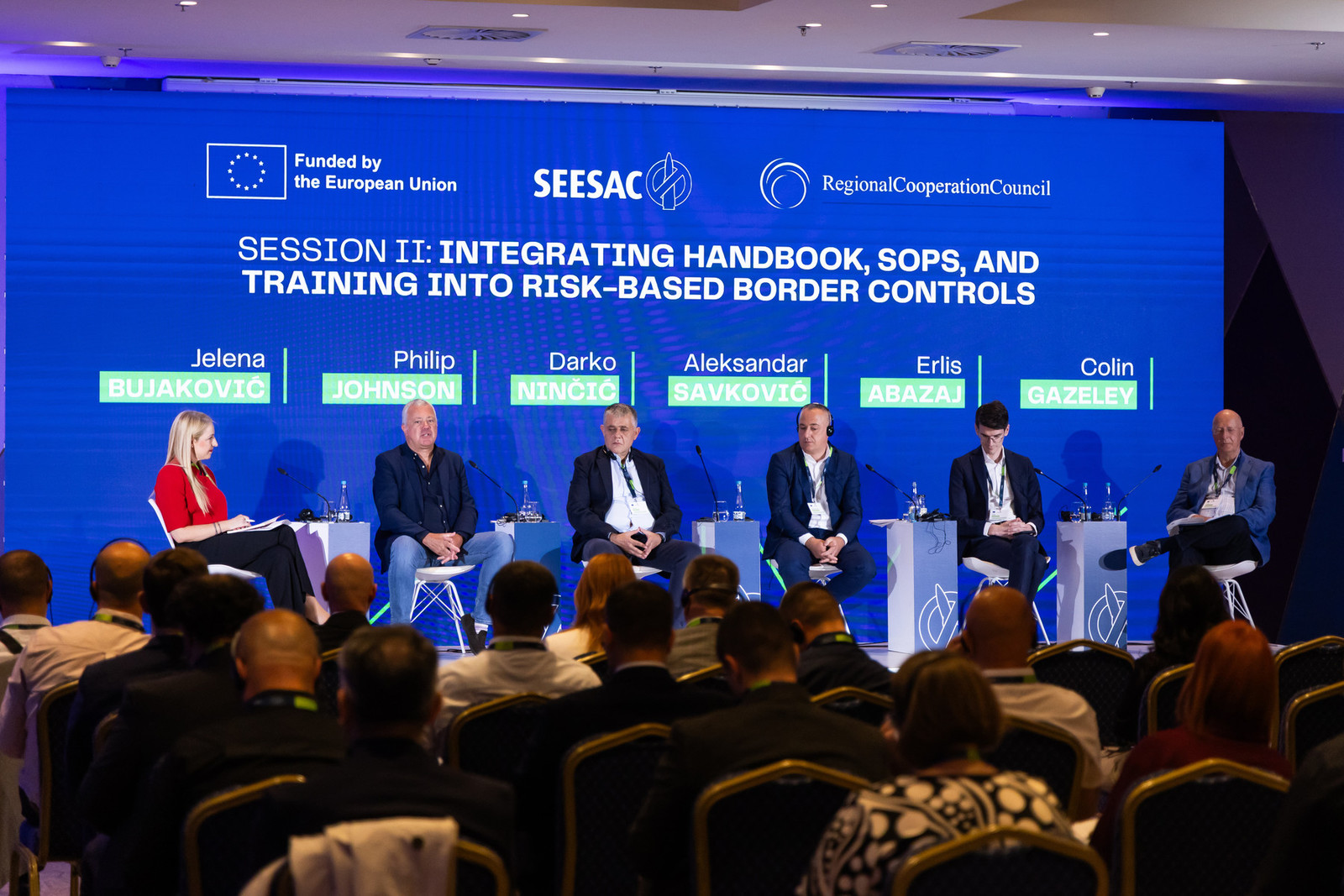
The conversation then turned to how the SOPs, training and equipment translate into operational impact. Customs experts from Belgrade, Podgorica, and Tirana shared their experience with SEESAC and Frontex-supported tools, including the Handbook, standard operating procedures, and the Firearms Detection Course, and how these can be embedded into daily procedures at border crossing points. Participants agreed that real impact comes not from training events in isolation, but from institutional ownership, continuous practice, and feedback loops between officers in the field and those designing the procedures.
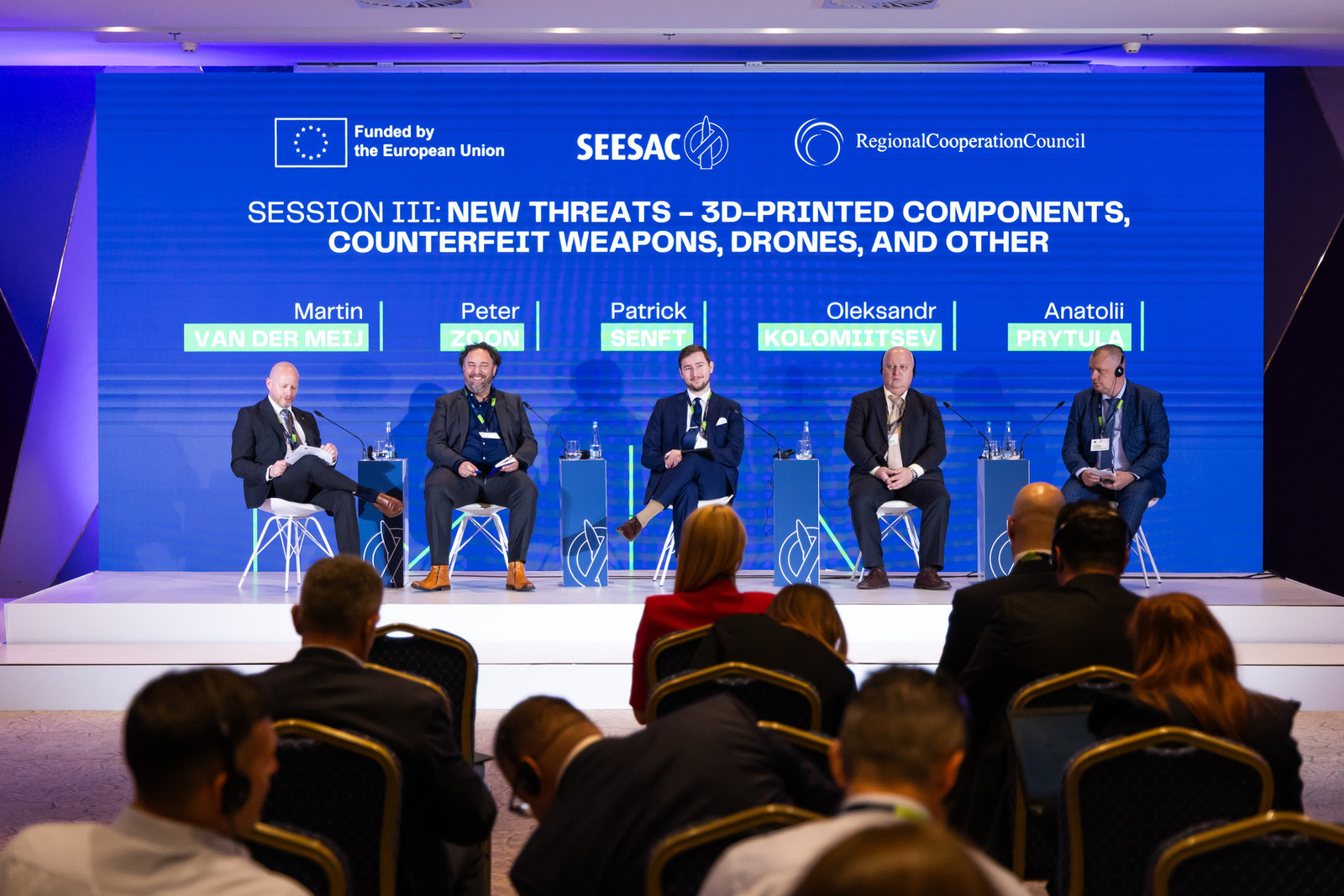
The afternoon brought discussions that were both technically complex and strategically important. Experts from the Netherlands Forensic Institute, a Ukrainian forensic science institute and customs service addressed the growing threat of 3D-printed components and counterfeit weapons, that both share a common challenge: they are designed to be less visible to standard detection. Cases ranged from individual hobbyists to organised criminal groups running industrial-scale print farms. While the Western Balkans has so far seen fewer such cases than Western European markets, largely because conventional weapons remain more accessible, experts cautioned that this window may be narrowing.
An Europol intelligence presentation on counterfeit firearms painted an equally interesting picture. Organised criminal networks are producing functional, high-quality replicas of handguns and assault rifles using industrial CNC machinery, sometimes concealed within legitimate businesses. These weapons carry fake or absent markings, making tracing more difficult. A new SEESAC study on drone applications, regulations, and security implications in the Western Balkans added another dimension, finding significant regulatory fragmentation across the region and enforcement gaps that malicious actors are beginning to exploit.
The second day shifted to delegation presentations and working group sessions, where participants shared their current state of play: existing SOPs, technical capacities, training needs, and the cross-border challenges they encounter daily.
As Jelena Bujaković, SALW Project Specialist at SEESAC, outlined in the opening: "The new threats require us not only to improve our technical capacity but also to continuously reassess our methods, strengthen cooperation mechanisms, and ensure that intelligence and operational information are transformed into effective action at borders."
Participants also examined Regulation (EU) 2025/41, the new EU framework governing import, export, and transit of firearms and essential components, which will replace existing legislation by 2029 and requires significant harmonisation of customs laws across the region.
These activities were made possible with the financial support of the European Union under the Council Decision 2024/3006 in support of SEESAC disarmament and arms control activities in South-East Europe, reducing the threat of illicit small arms and light weapons and their ammunition, and the Council Decision (CFSP) 2025/2587 in support of SEESAC for the implementation of the Regional Roadmap on combating illicit arms trafficking in the Western Balkans and in support of disarmament and arms control activities in South-East and East Europe.