
Western Balkans Authorities Strengthen Border Controls through Regional Training Series on Firearms Detection
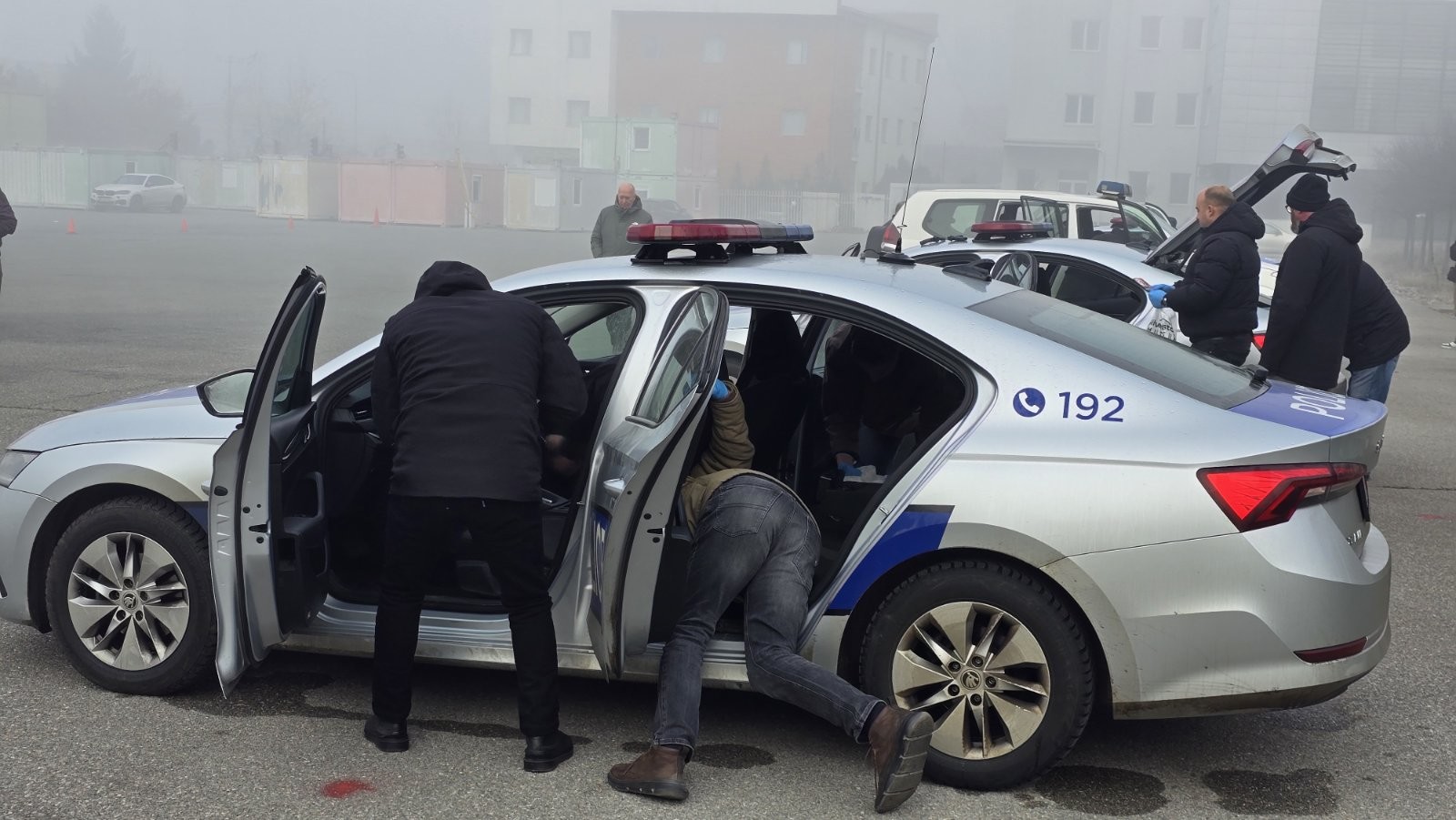
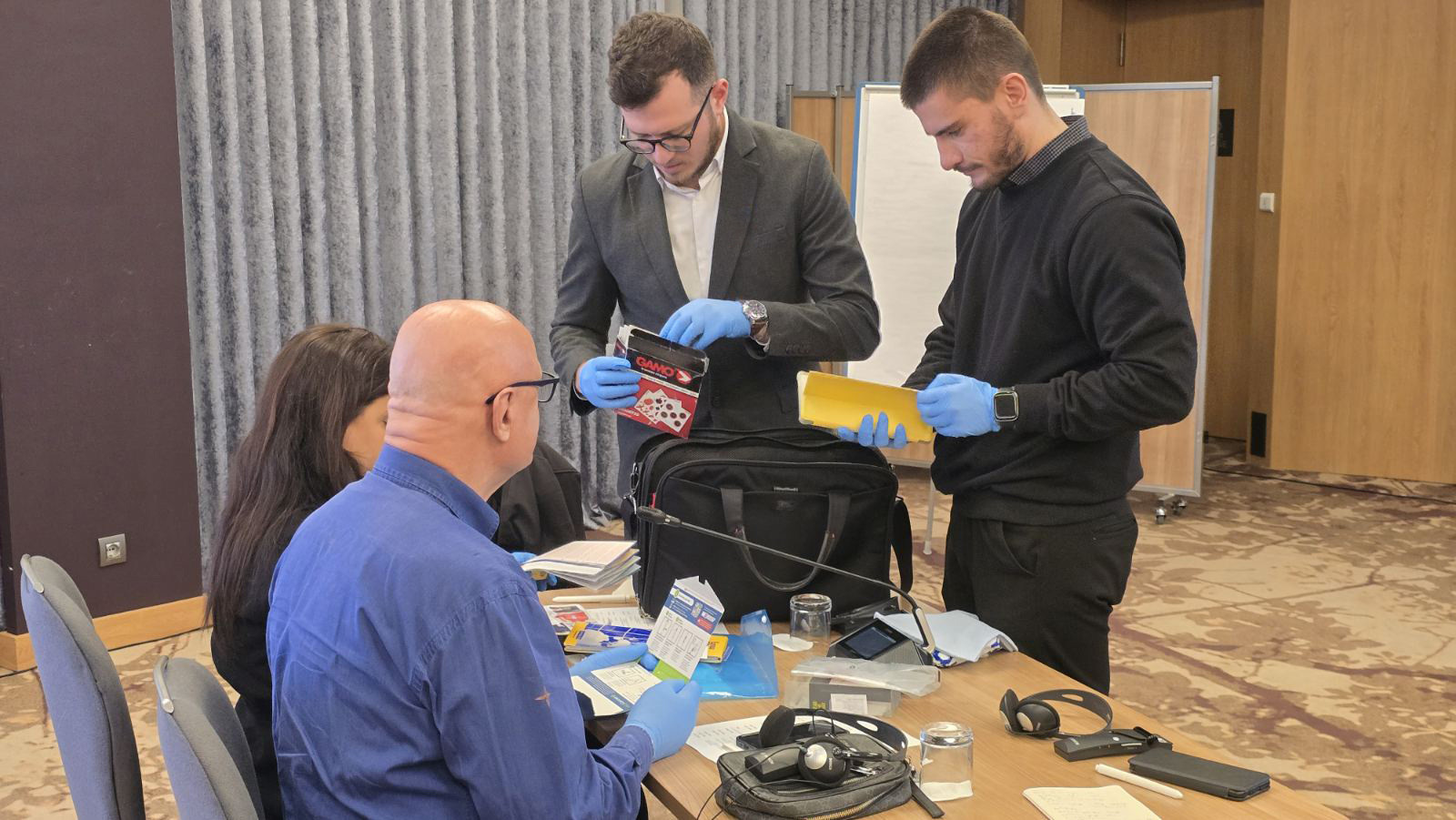
Nearly a hundred customs and border police officers across the Western Balkans have strengthened their capacity to detect and intercept illicit firearms and explosives, following a series of intensive four-day trainings delivered by SEESAC with the support of the European Union.
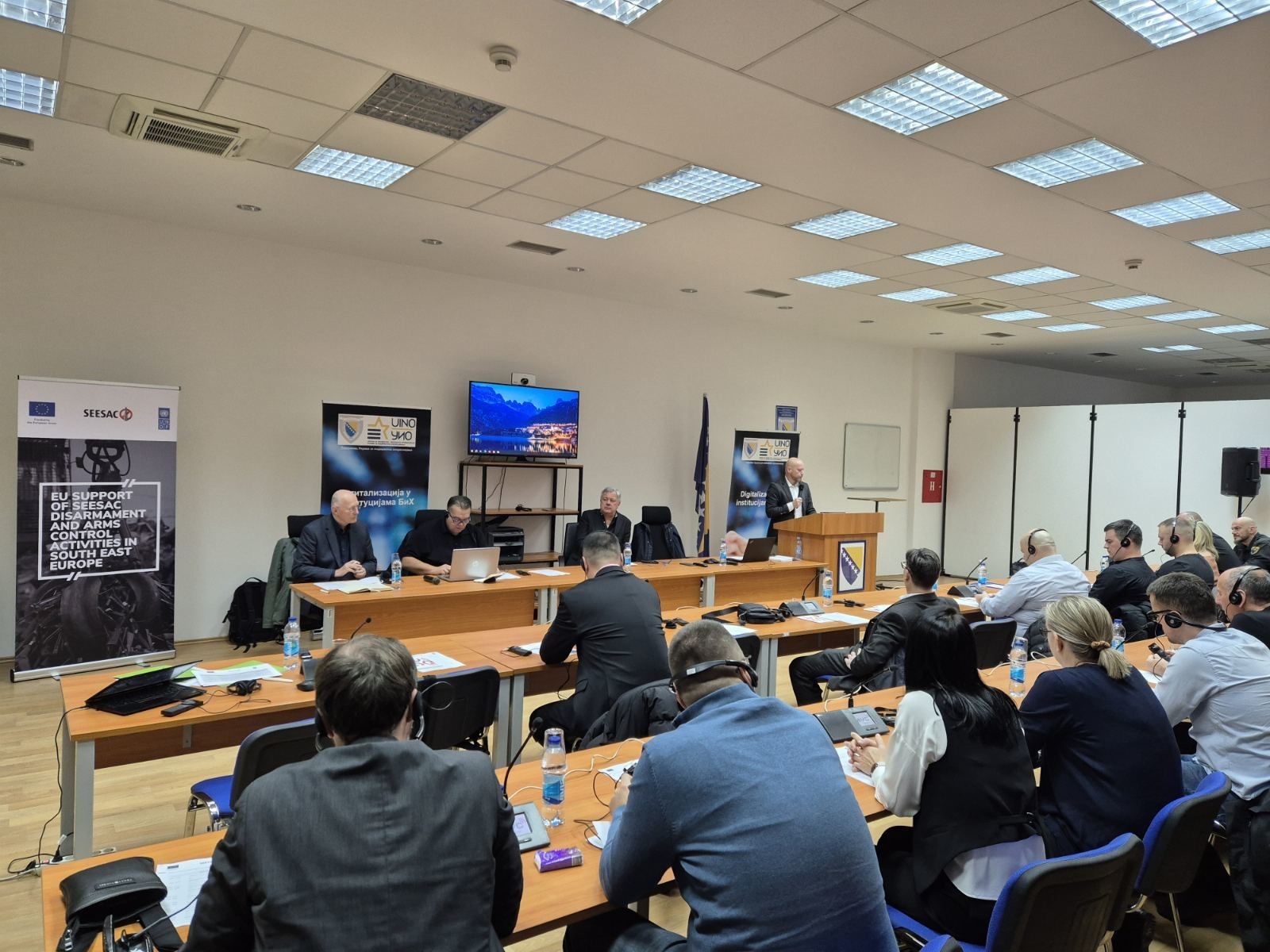
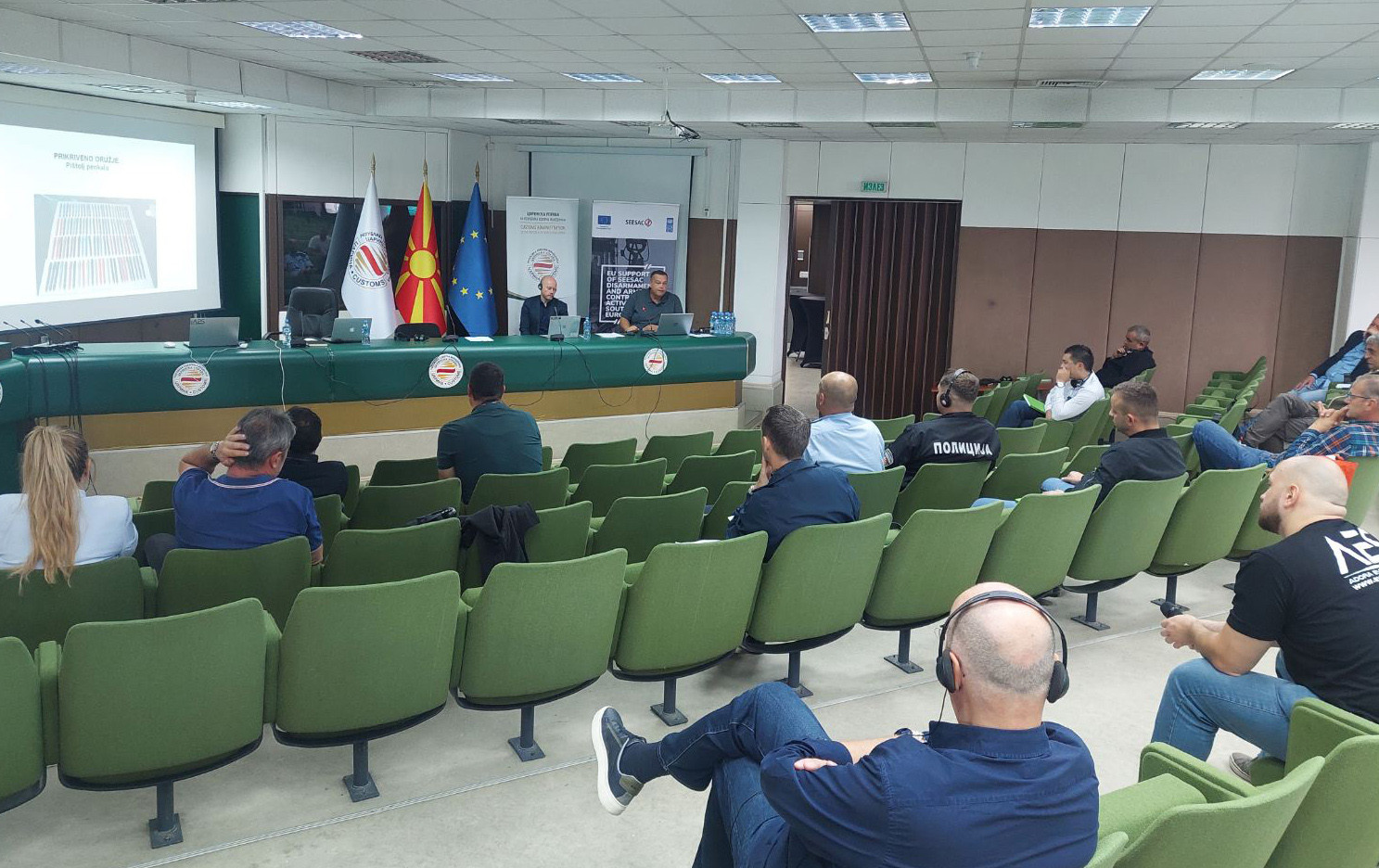
The training was conducted in Tirana, Skopje, Belgrade, Podgorica, Tuzla and Pristina, bringing together representatives of customs and border police services. The initiative is part of SEESAC’s continued efforts to support curbing the illicit trafficking of firearms, their parts, ammunition and explosives and reinforcing border security in line with regional and EU standards.
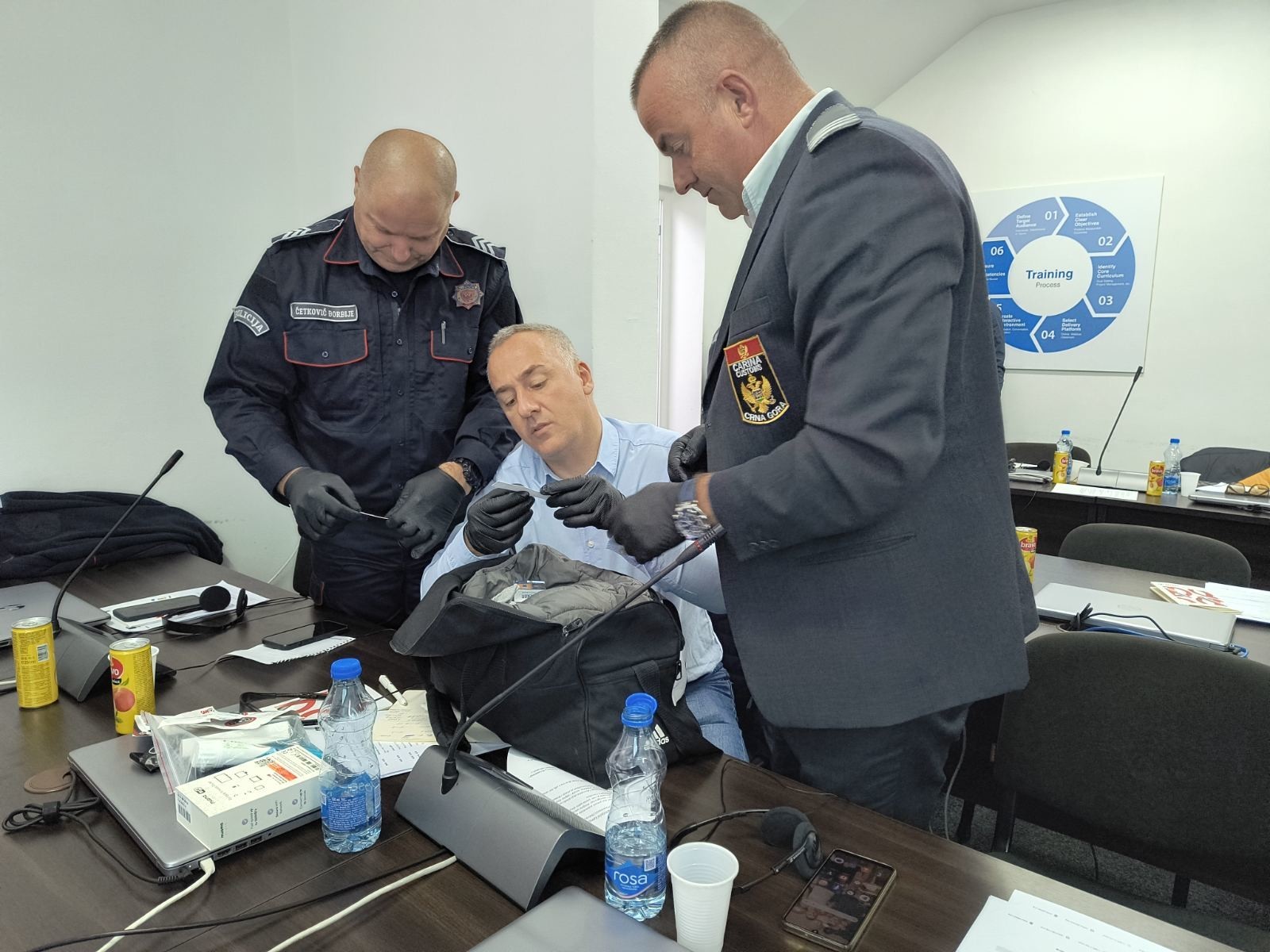
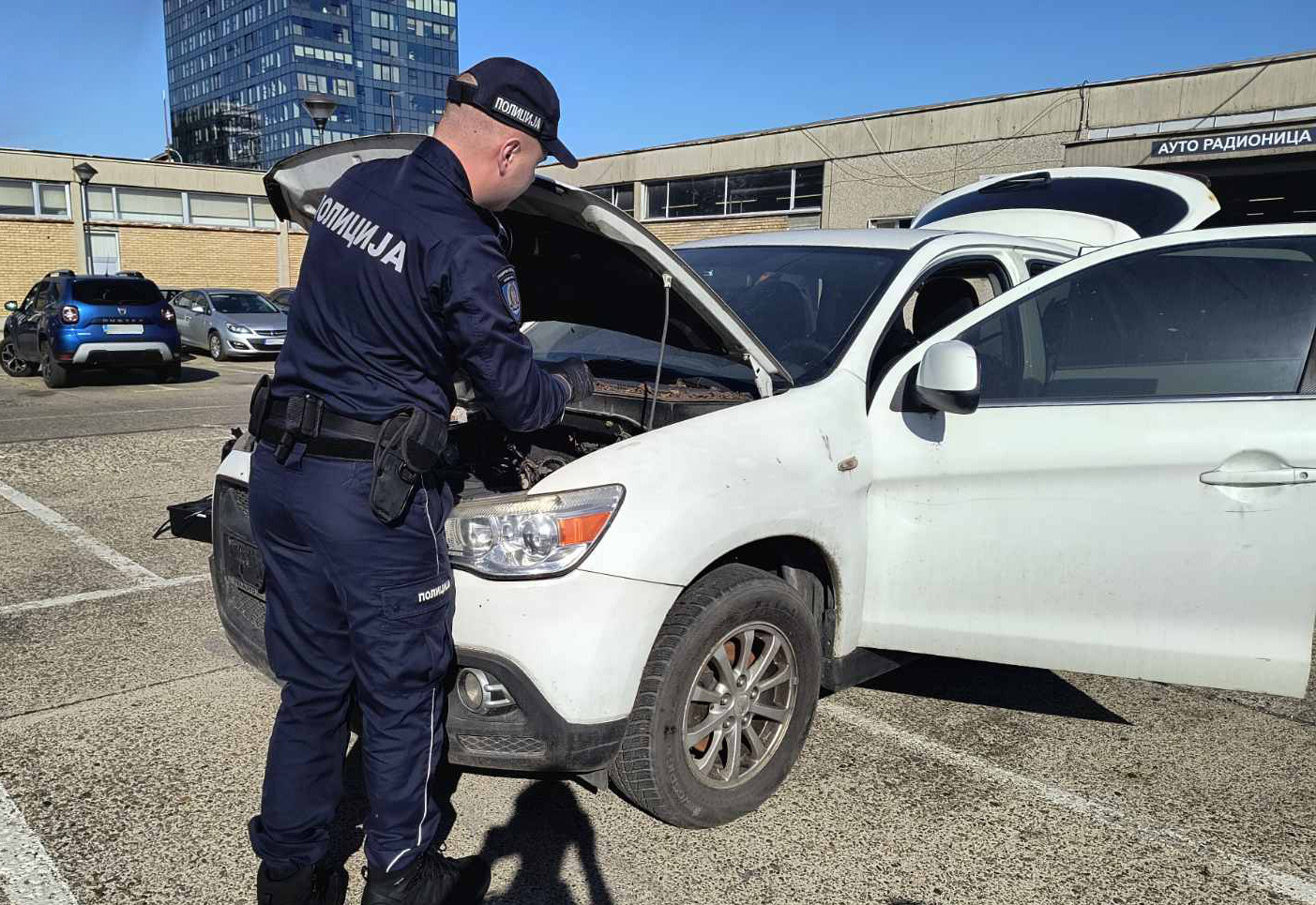
The training combined a theoretical part with hands-on exercises. Participants examined the latest trends in firearms trafficking routes and modus operandi, explored common and emerging concealment methods, and refined their ability to recognize risk indicators in luggage, parcels and during on-person searches.
Customs and border police officers participated in baggage search simulations, scenario-based case studies and field exercises that tested detection techniques and post-seizure procedures. They also attended sessions on the use and limitations of X-ray equipment, basic investigation and firearms tracing, as well as evidence handling and health and safety protocols. These joint activities strengthened technical competencies and reinforced inter-agency coordination, which is critical in tackling cross-border firearms trafficking.
By strengthening the skills of frontline officers and harmonizing procedures with EU standards, this initiative contributes to the implementation of the Western Balkans Roadmap for a sustainable solution to the illegal possession, misuse and trafficking of small arms and light weapons and their ammunition by 2030. Through continued cooperation with regional authorities and the support of the European Union, UNDP SEESAC remains committed to building safer and
more secure communities across South Eastern Europe.
These activities were made possible with the financial support of the European Union, through Council Decision 2024/3006 in support of SEESAC disarmament and arms control activities in South-East Europe reducing the threat of illicit small arms and light weapons and their ammunition.