
SEESAC Finalizes the Second Round of Trainings on the Ethics of Informing the Public about Incidents of Firearms Misuse in Domestic Violence Context

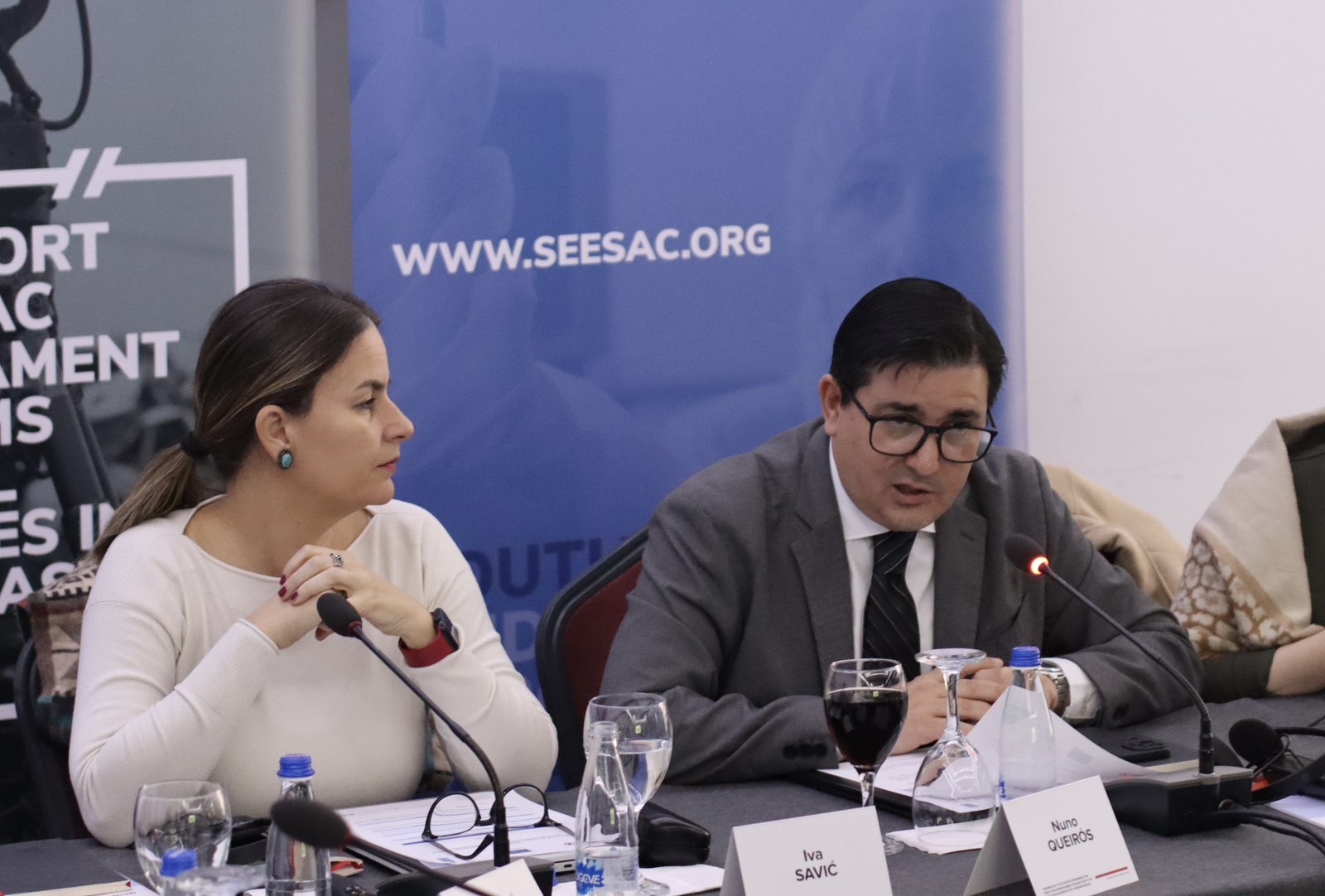
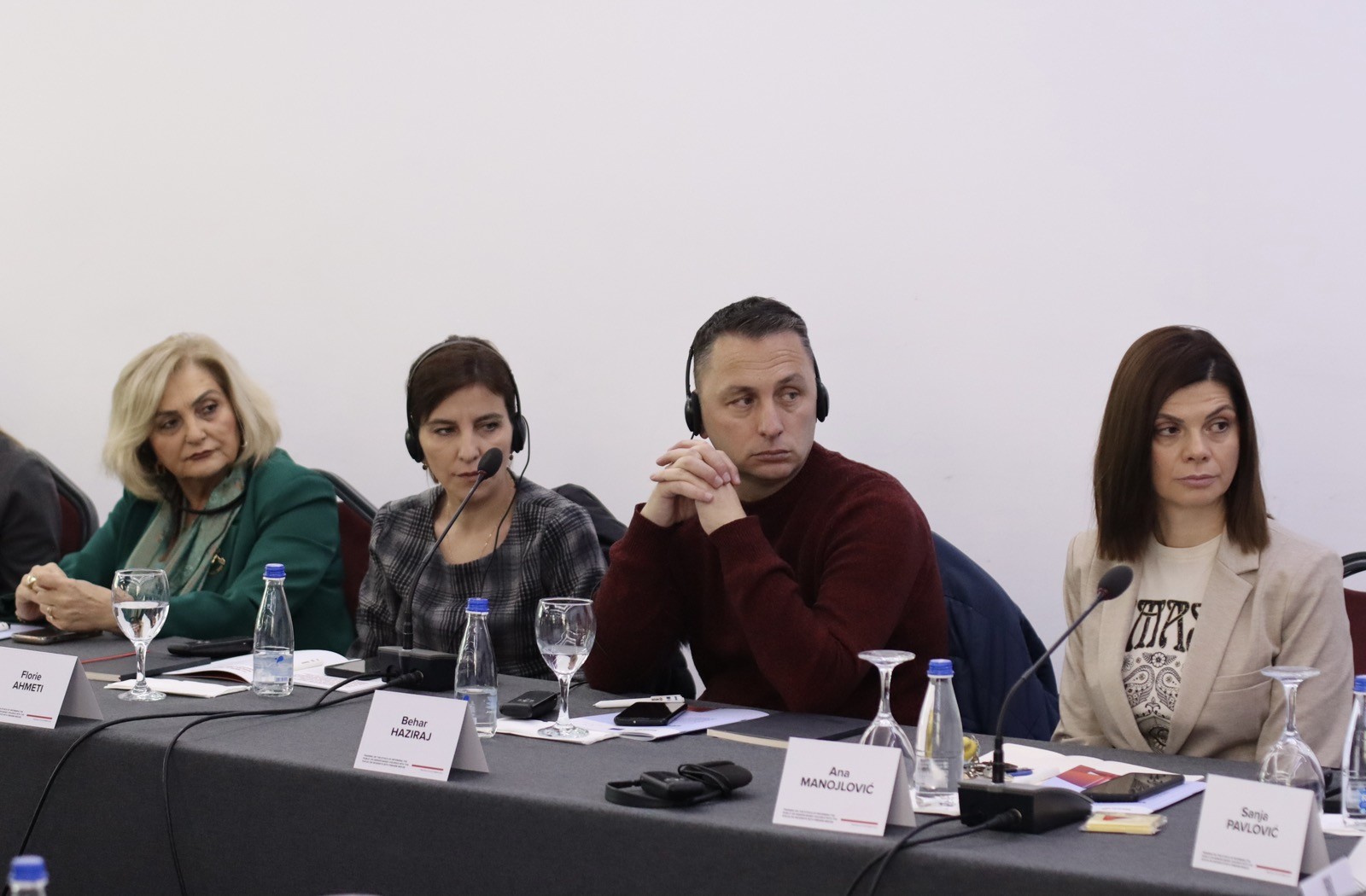
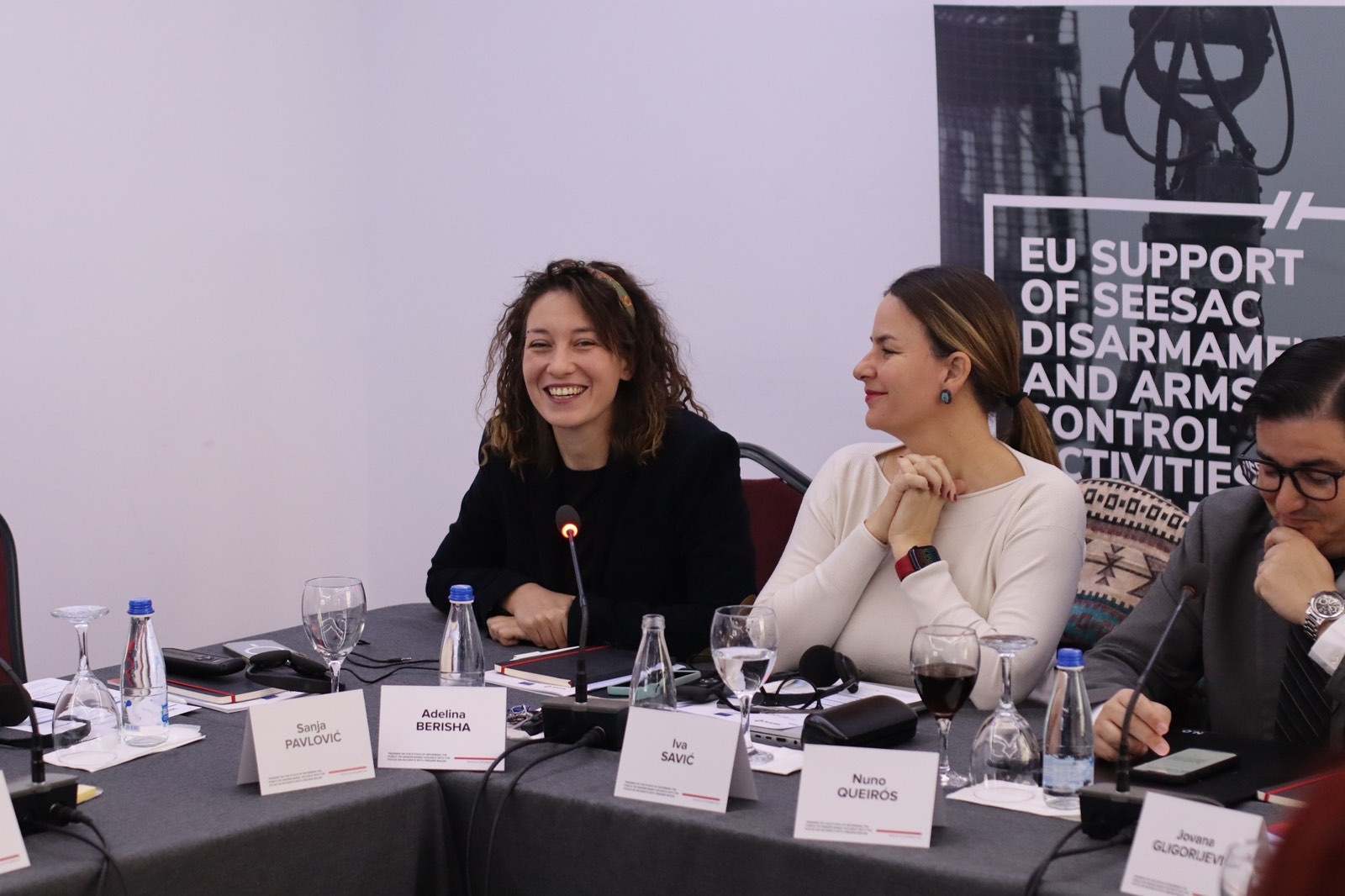
On December 9-10, 2024, in Pristina, SEESAC conducted a final in a series of trainings on the Ethics of Informing the Public on Gender-Based Violence (GBV) with a Focus on Incidents with Firearms Misuse designed primarily for representatives of the prosecutors’ offices and the media, as a follow-up to the first training held in February 2024, for media representatives and the Ministry of Internal Affairs (MoIA).
The training also included several representatives of the MoIA, and the civil society sector to provide a broader spectrum of relevant perspectives.
Mr. Nuno Queirós, Resident Representative, highlighted the findings of SEESAC’s research, indicating prosecutors’ offices and MoIA as major sources of information for the media regarding GBV. He further emphasized the importance of discussing the problem of gender-based violence with firearms and how the institutions and media convey this message to the public. Mr. Queirós added that this effort aims to improve mutual understanding, communication, and cooperation between these two groups.
The training fostered an environment of trust and openness among participants, enabling participants to connect, and share their experiences and challenges they face within their respective institutions. Ms. Adelina Berisha, Program Manager at Kosovo Women’s Network provided insights into the specific dynamics of gender-based violence in the local context and how such violence is presented in the media.
Participants learned about the risk factors associated with the presence of SALW in gender-based violence scenarios and the importance of tracking their misuse. Additionally, the sessions covered key dynamics of gender-based violence and the importance of ethical reporting, illustrating the detrimental consequences of unethical approaches to this topic.
The training featured insight into the perspective of gender-based violence survivors on media reporting, along with the results from a regional analysis of media’s reporting on GBV with the use of firearms in the Western Balkans. Participants were also provided with a curated database of appropriate photographs for reporting on this type of violence.
Throughout the training, participants shared the challenges they face in their professional roles. Lively discussions and dynamic exchanges led to valuable conclusions aimed at enhancing cooperation and improving the communication of information about gender-based violence involving firearms.
This training marked the conclusion of a series of 11 trainings throughout the region, that began in October 2023. The initial five trainings brought together representatives of the MOI and the media, while the second round held in Vrdnik, Bjelasnica, Skopje, Petrovac, Durres, and Pristina, focused on gathering representatives of the prosecutor's offices and the media around this topic.
The training was organized within the scope of SEESAC’s efforts to raise awareness and increase the operational capacities of relevant beneficiaries through the Regional IPA project in Support of Enhancing the Fight Against the Illegal Possession, Misuse, and Trafficking of Small Arms and Light Weapons (SALW) in the Western Balkans funded by European Commission.