
SALW Commissions Exchange Visit
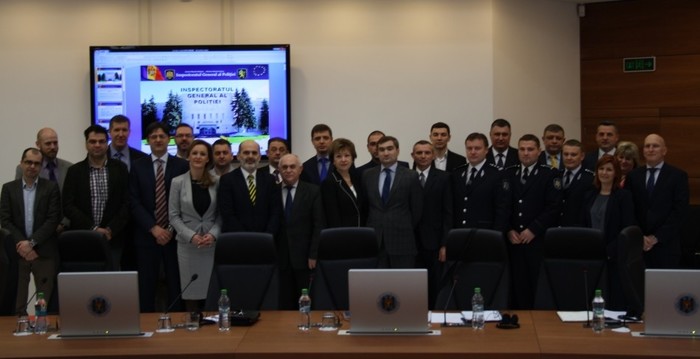
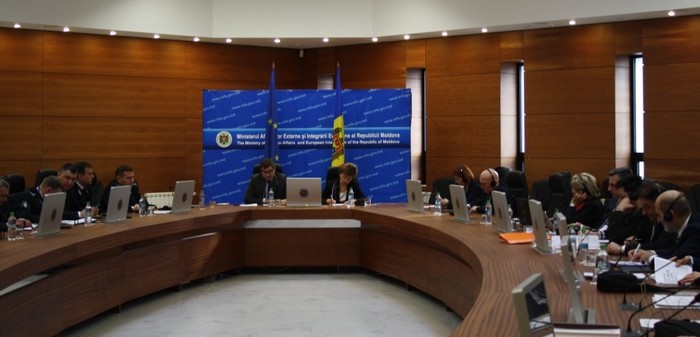
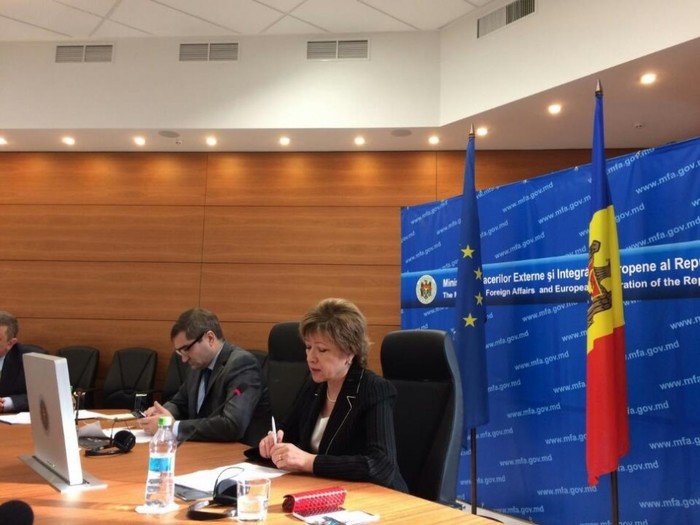
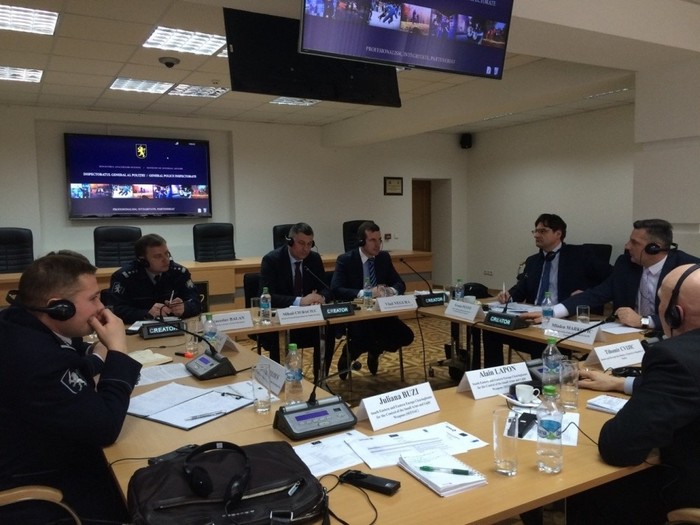
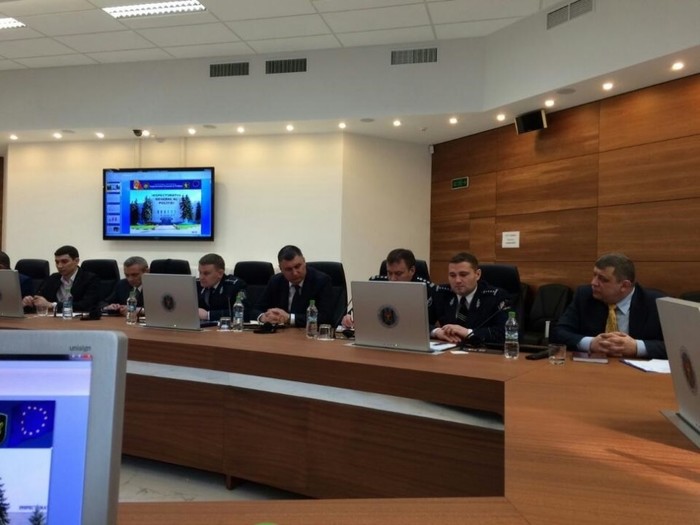
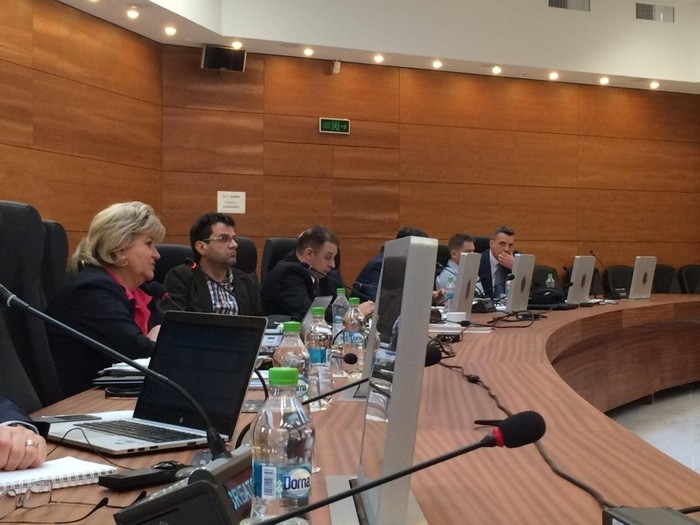
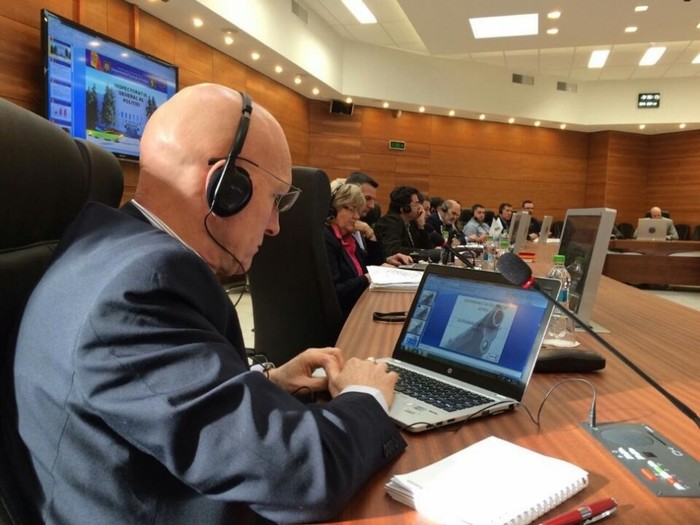
UNDP SEESAC facilitated expert meetings between officials from National Commissions for Small Arms and Light Weapons (SALW), of Bosnia and Herzegovina (BiH), Serbia and Montenegro and Moldova’s representatives from the Ministry of Foreign Affairs, General Police Directorate, Ministry of Economy and Ministry of Defence in Chisinau on 24 February 2016. The meetings are part of SEESAC’s work on further strengthening the capacity of national counterparts to combat the threat posed by small arms and light weapons (SALW).
The SALW Commissions’ representatives exchanged valuable and practical experience about the process of establishing the SALW Commission, the role of various ministries in the work of the Commission as well as a wide range of aspects on SALW control including registration, marking and tracing, arms export control and stockpile management.
Upon initiative of the Moldovan Government and with SEESAC support, a “National Meeting on establishment of SALW Commission” was organized on 24 February 2016 chaired by the Moldovan Ministry of Foreign Affairs. The meeting provided an opportunity for all sides to exchange knowledge on the roles, responsibilities and areas of work of the SALW Commission.
“Moldova is happy to host and share experiences with other countries in the region on the challenges to control SALW”, said Mr. Lilian Darii, General Director for Multilateral Cooperation of the Ministry of Foreign Affairs and European Integration.
Ms. Alla Skvortova, the Cluster Leader Governance, Justice and Human Rights at UNDP Moldova told the Opening Session that “the UNDP and SEESAC with support of the donors such as the European Union, remain committed to providing continuous support to the region and the Moldovan Government in a full range of activities aiming at full control of small arms and light weapons including but not only, the improvement of infrastructure and human capacities for the secure storage of the stockpiles as well as raising the awareness on the negative effects of the firearms”.
These expert meetings were enabled through the EU Support of SEESAC Disarmament and Arms ControlActivities in South East Europe Project (EUSAC), as part of its fourth component: Improved regional cooperation on awareness raising, information sharing and knowledge transfer: transfer: through the facilitation of regional cooperation between national institutions tasked with arms control.
ABOUT EUSAC
The EUSAC builds directly upon SEESAC’s decade-long SALW Control work, particularly achievements made through the previous EU funded SALW Control project, conducted during the 2010-2012 period under the Council Decision 2010/179/CFSP. Designed in close cooperation with national authorities, the project works on the following five interrelated streams of activities:
- Increased security of stockpiles: through the renovation and security improvements to storages of arms and ammunition.
- Stockpile reduction: through the destruction of surplus arms and ammunition held in storages.
- Improved marking, tracing and registration of SALW: through the provision of support to the establishment or enhancement of existing weapons registration and record-keeping systems.
- Improved regional cooperation on awareness raising, information sharing and knowledge transfer: through the facilitation of regional cooperation between national institutions tasked with arms control.
- Implementation of collection and awareness raising campaigns.