
SEESAC Contributes to NATO SALW and Mine Action Course at NATO School in Oberammergau
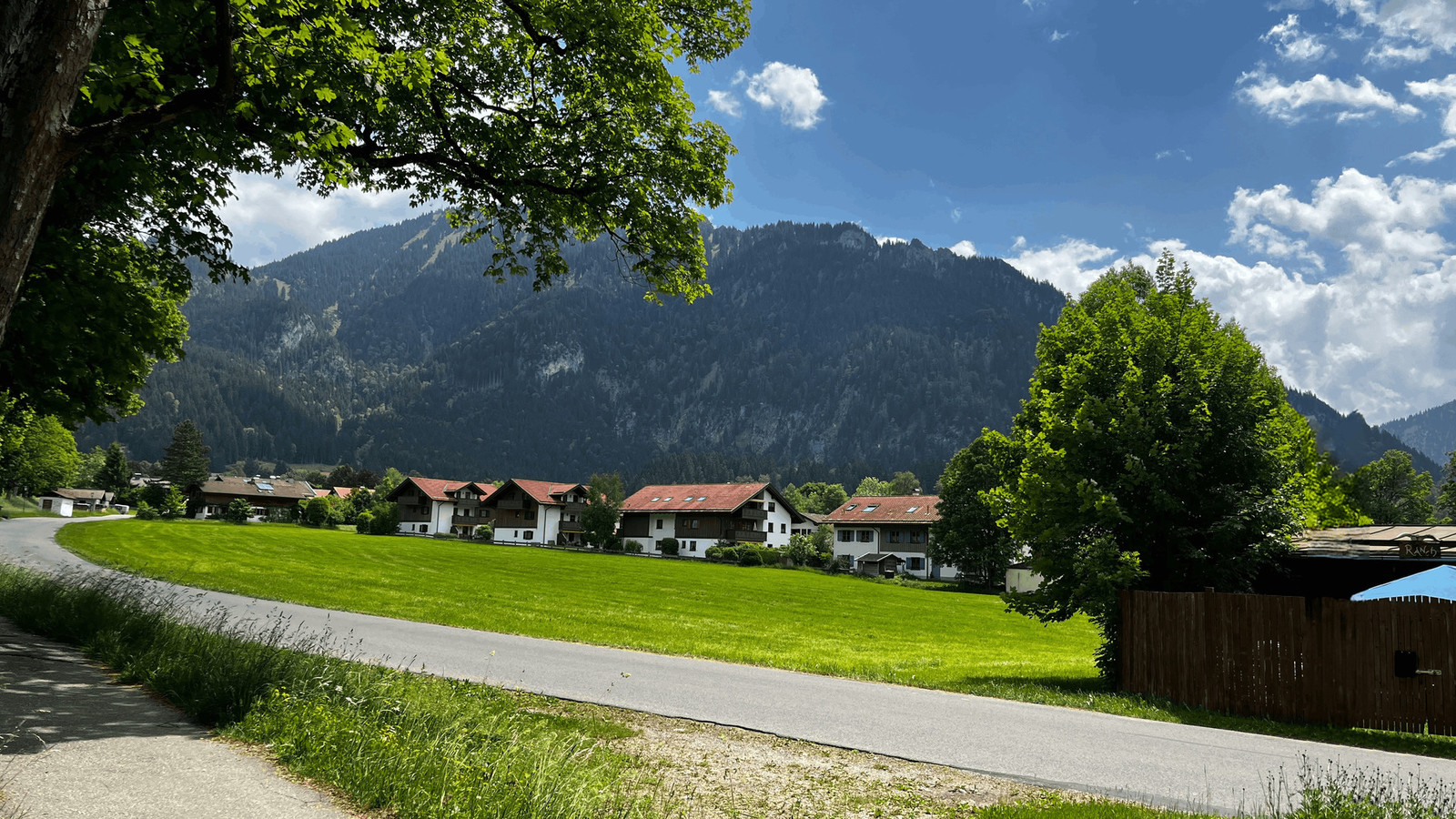
SEESAC participated in the NATO Small Arms and Light Weapons (SALW) and Mine Action (MA) Course held at the NATO School in Oberammergau from 25 to 29 May 2026. This represents the continuation of SEESAC’s longstanding cooperation with NATO and supporting the SALW and Mine Action Course, contributing to strengthening SALW control efforts and regional security cooperation.
As part of the annual course programme, SEESAC delivered a presentation about the regional approach to SALW control in South East Europe. The presentations focused on good practices in regional cooperation on SALW control, highlighting the importance of effective coordination and monitoring mechanisms, information exchange, regional processes, and regional ownership in addressing the proliferation and misuse of SALW. In addition, SEESAC presented the Western Balkans SALW Control Roadmap and the practical implementation of the Women, Peace and Security (WPS) Agenda in the context of SALW control, with particular emphasis on integrating gender perspectives into arms control policies, programmes, and interventions.
The NATO SALW and MA Course is a specialized annual training programme aimed at strengthening practical and policy-level expertise in SALW control, weapons and ammunition management, and mine action. The course supports NATO’s broader efforts to address illicit weapons proliferation, improve stockpile management, and reduce risks associated with explosive hazards and landmines.
The course brings together mid-level military officers, government officials from the defence, interior and foreign affairs sectors, as well as law enforcement representatives from NATO member states and partner countries, including participants from the Western Balkans, Eastern Europe and the MENA region.
SEESAC’s regular participation in the course reflects the strong and longstanding partnership with NATO and the shared commitment to strengthening regional and international cooperation in SALW control, enhancing human security, and supporting sustainable peace and stability.
This activity was made possible with funding provided by the European Union through the EU Council Decision (CFSP) 2024/3006.