
SEESAC Brings Regional Expertise to Global Arms Control Discussions at BMS9
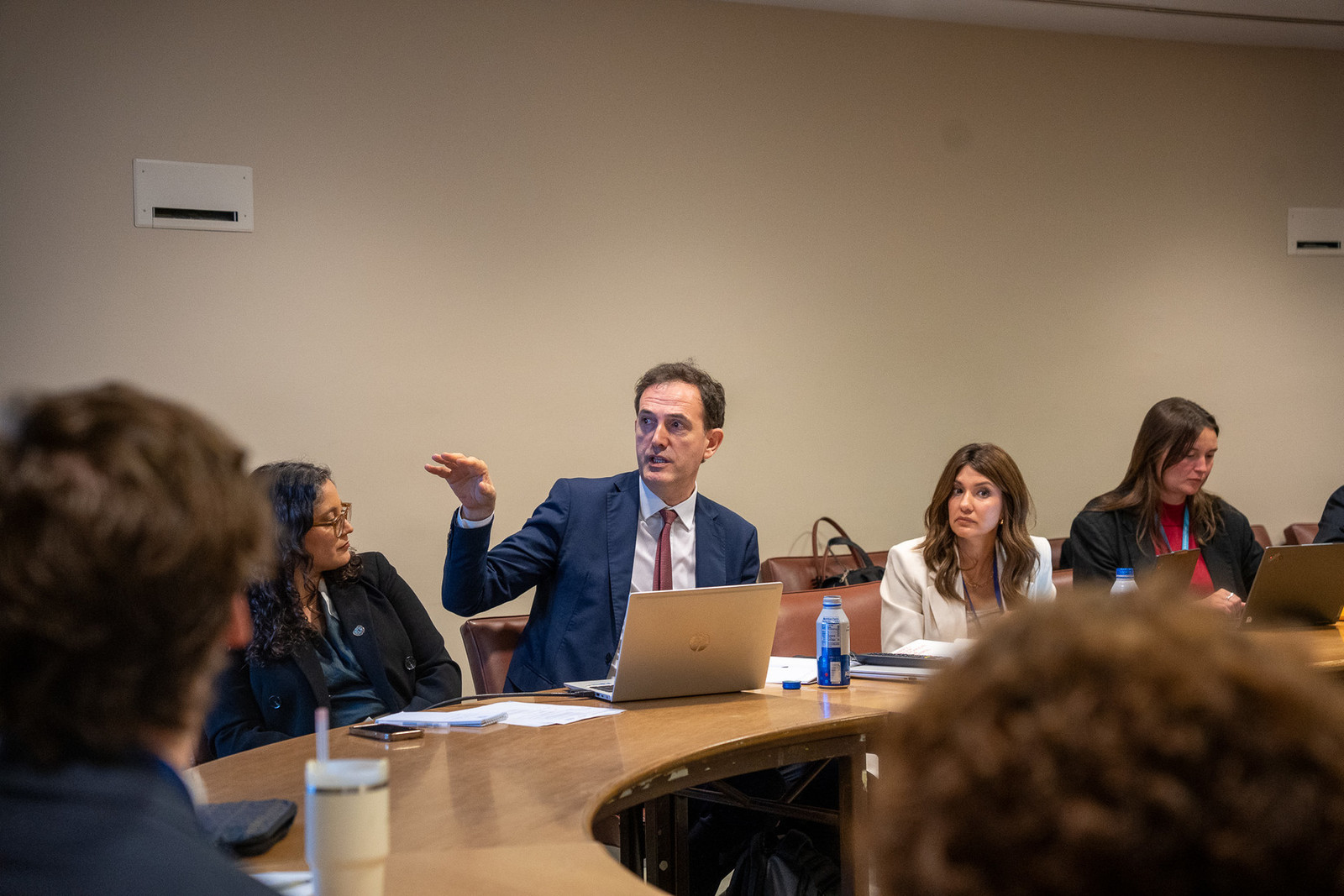
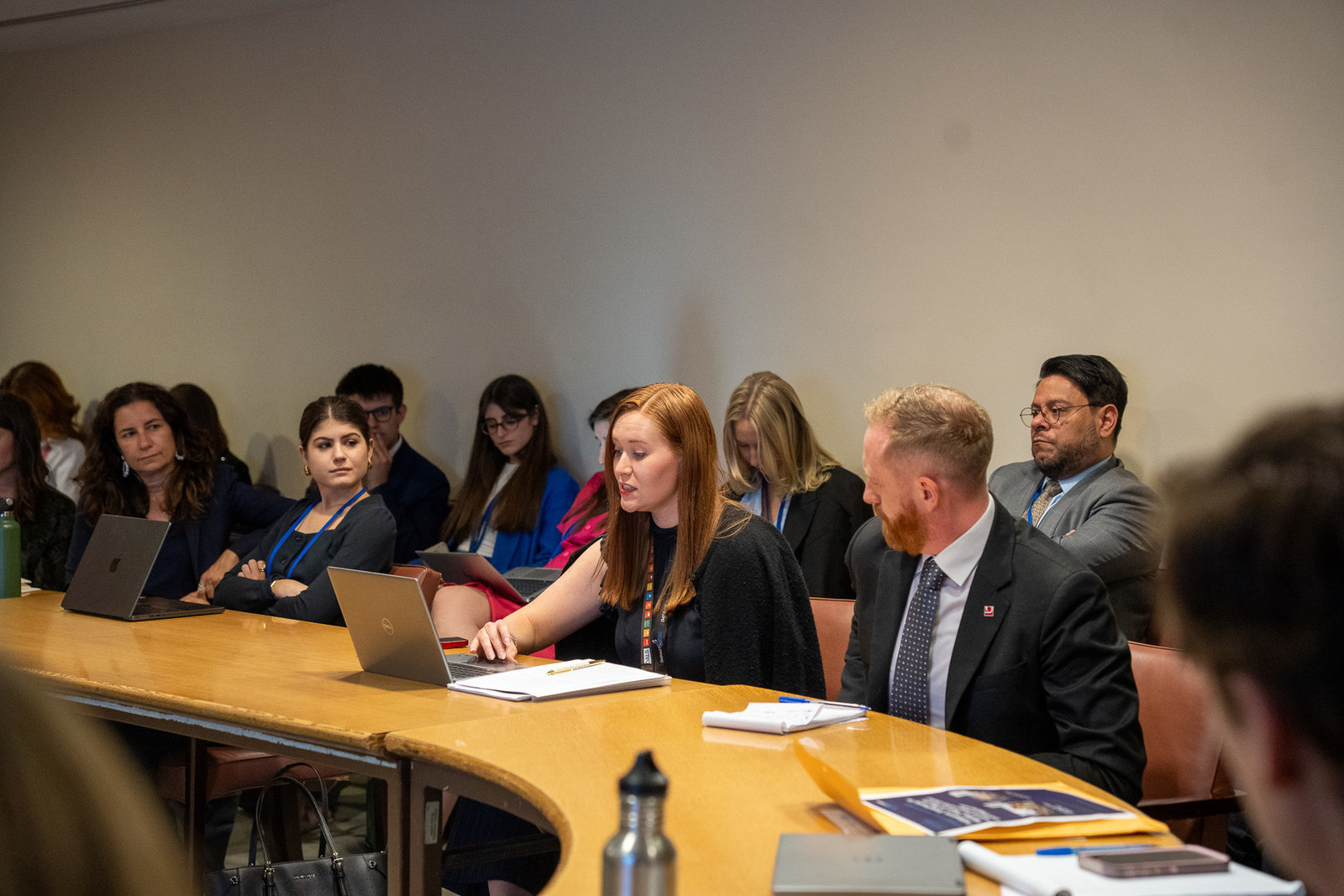
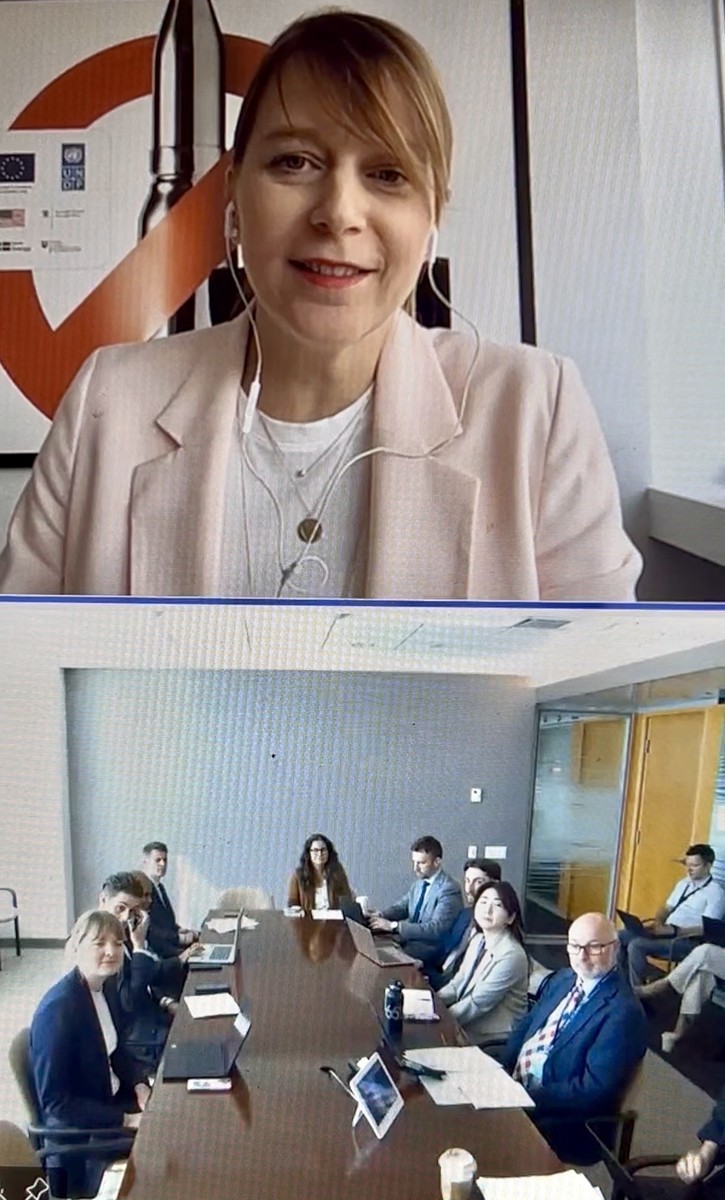
At the Ninth Biennial Meeting of States on Small Arms and Light Weapons (BMS9), UNDP SEESAC shared practical experience and good practices from addressing the factors fuelling demand and advancing gender mainstreaming in arms control, to facilitating regional cooperation to prevent and combat the illicit trade and misuse of SALW.
From 1 to 5 June 2026, Member States, international, regional and civil society organisations gathered in New York to take stock of key challenges and opportunities relating to the implementation of the UN Programme of Action on SALW (UN PoA) and the International Tracing Instrument at the national, regional and global levels. UN PoA is a politically binding instrument adopted by UN Member States in 2001 that has become the backbone of global efforts to address the widespread and devastating impact of small arms and light weapons. It provides a comprehensive normative framework for national regulation, international cooperation, and capacity-building to combat the illicit trade and misuse of these weapons, which continue to fuel armed violence and instability. In 2005, States also adopted the International Tracing Instrument (ITI), which requires States to ensure that weapons are properly marked and that records are kept. Moreover, the ITI provides a framework for cooperation in weapons tracing – fulfilling one of the commitments governments made in the PoA. Since the UN PoA adoption, the international community has gathered regularly to assess progress and identify gaps in implementation. It hosted four Review Conferences in 2006, 2012, 2018, and 2024. In addition, nine Biennial Meetings of States (BMS) have taken place.
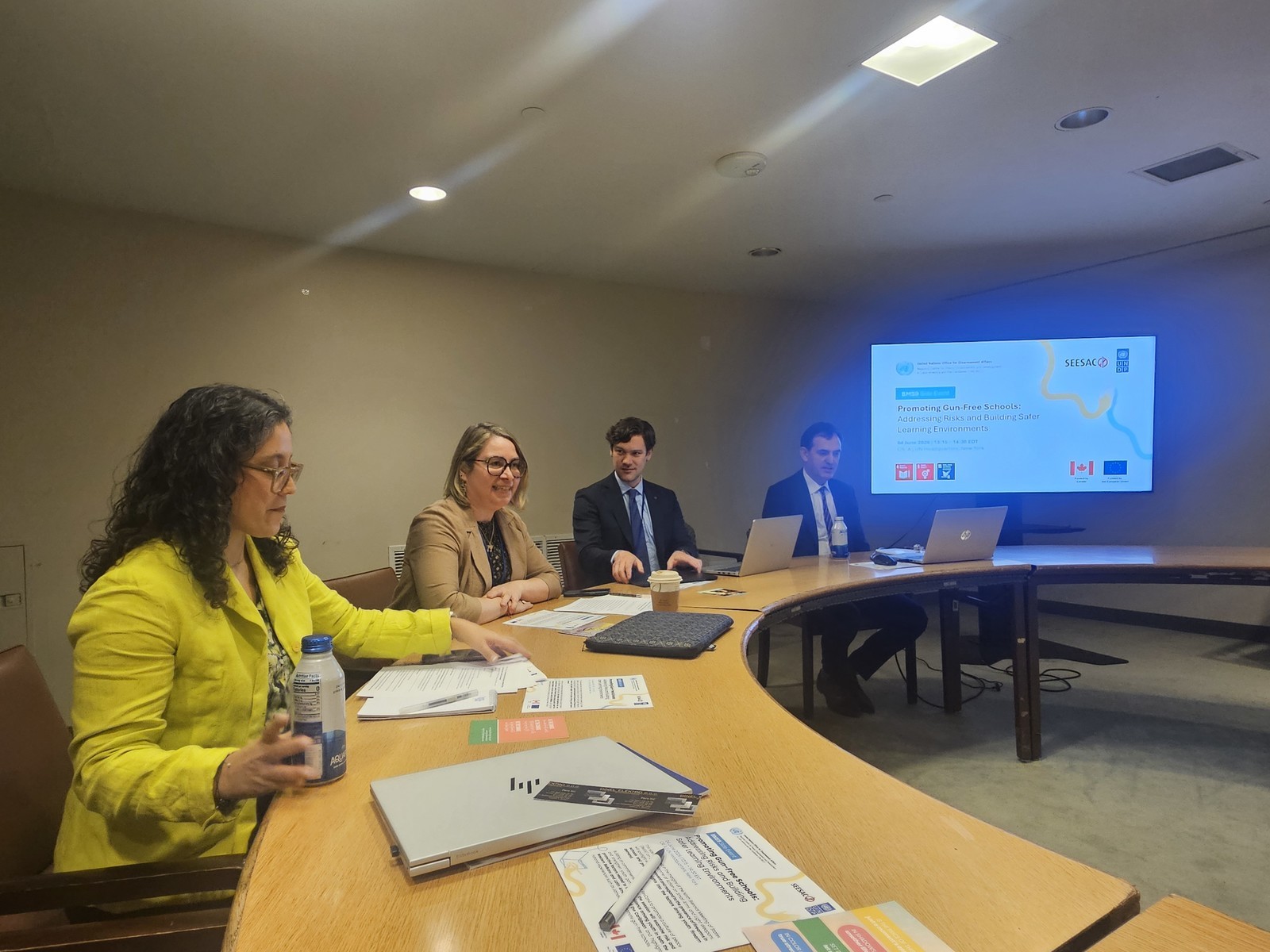
On the margins of BMS9, UNDP SEESAC in cooperation with the UN Regional Centre for Disarmament in Latin America and the Caribbean (UNLIREC) organized the side event "Promoting Gun-Free Schools: Addressing Risks and Building Safer Learning Environments" supported by European Union and Canada. The event spotlighted efforts to prevent and respond to the presence of firearms in schools and examined risk and protective factors related to firearm violence among youth in both the Western Balkans and Latin America. On that occasion, UNDP SEESAC presented the recently conducted research on factors fuelling demand for firearms.
UNDP SEESAC also contributed to several other side events that ran through the week. The side event on arms transfer controls and diversion prevention, co-organised by UNIDIR, UNODA, UNDP and UNODC took place on 2 June. It launched a study that examines both authorized transfers of small arms and light weapons and their leakage into illicit markets. The event, moderated by UNDP SEESAC, highlighted emerging trends, key challenges and recommendations for enhancing UN efforts to strengthen national control frameworks and reinforce safeguards against diversion.
The following day, the side event co-organised by UNIDIR, UNLIREC, and UN Women, provided platform to share experiences, lessons learned and good practices in enhancing states’ capacities to integrate the arms control in WPS national action plans. SEESAC presented the ongoing efforts to enhance gender responsiveness of SALW control and highlighted the growing convergence between arms control frameworks and WPS agenda in the Western Balkans.
On 5 June, UNDP SEESAC participated in the side event organized by the INTERPOL and European Union which highlighted the risks of weapons diversion and trafficking in conflict and post-conflict settings, and their impact on peace, security, and development. It also spotlighted global capabilities to enhance detection, tracing, and intelligence-led investigations. SEESAC intervention focused on the regional approach to arms control and the role of regional cooperation in building capacities to
prevent diversion and prevent trafficking.
UNDP SEESAC’s participation in BMS9 was made possible with the financial support of the European Union under the Council Decision (CFSP) 2025/2587 in support of SEESAC for the implementation of the Regional Roadmap on combating illicit arms trafficking in the Western Balkans and in support of disarmament and arms control activities in South-East and East Europe.