
Technology, Emerging Threats, and Innovations in Focus at the 22nd SEEFEN
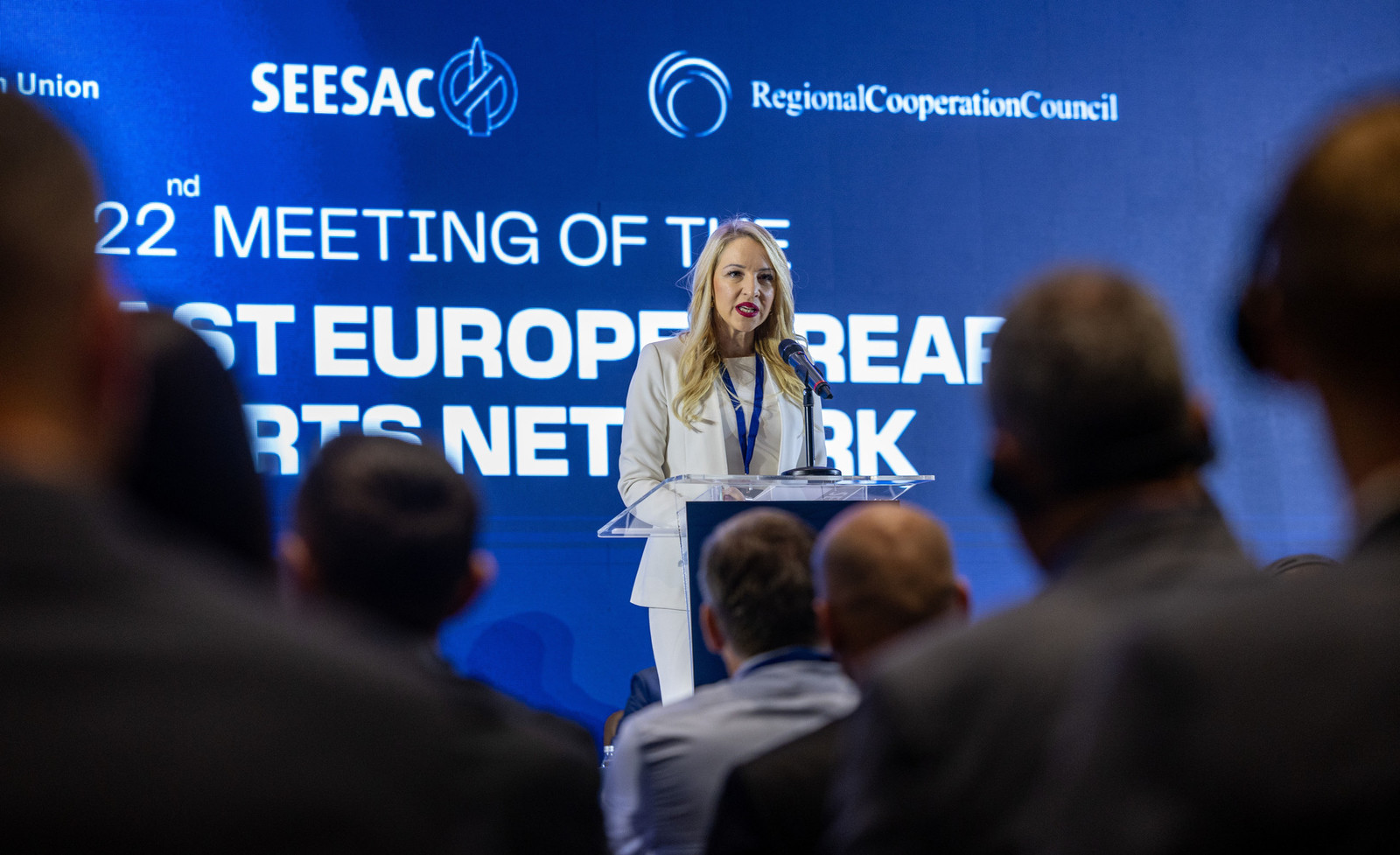

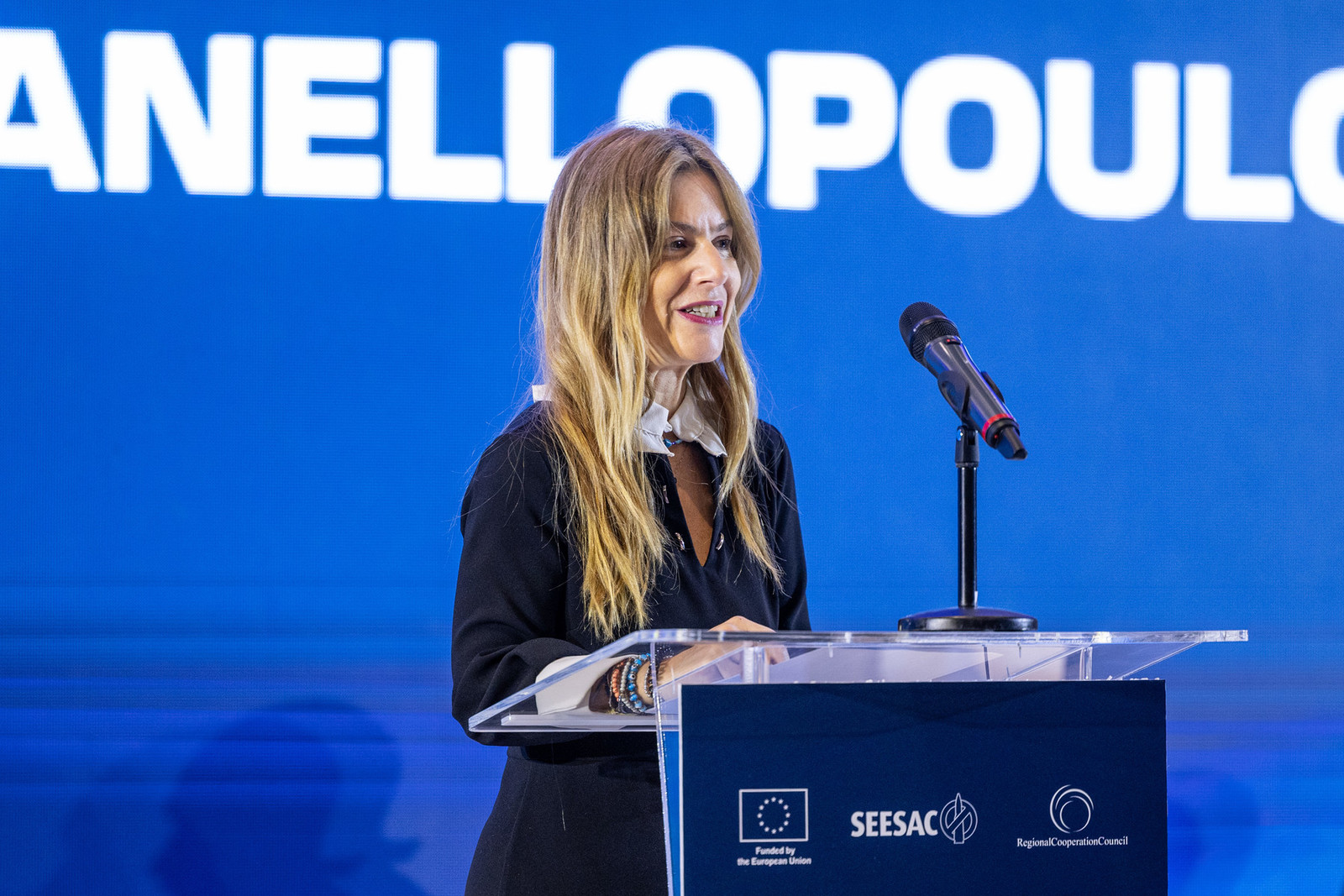
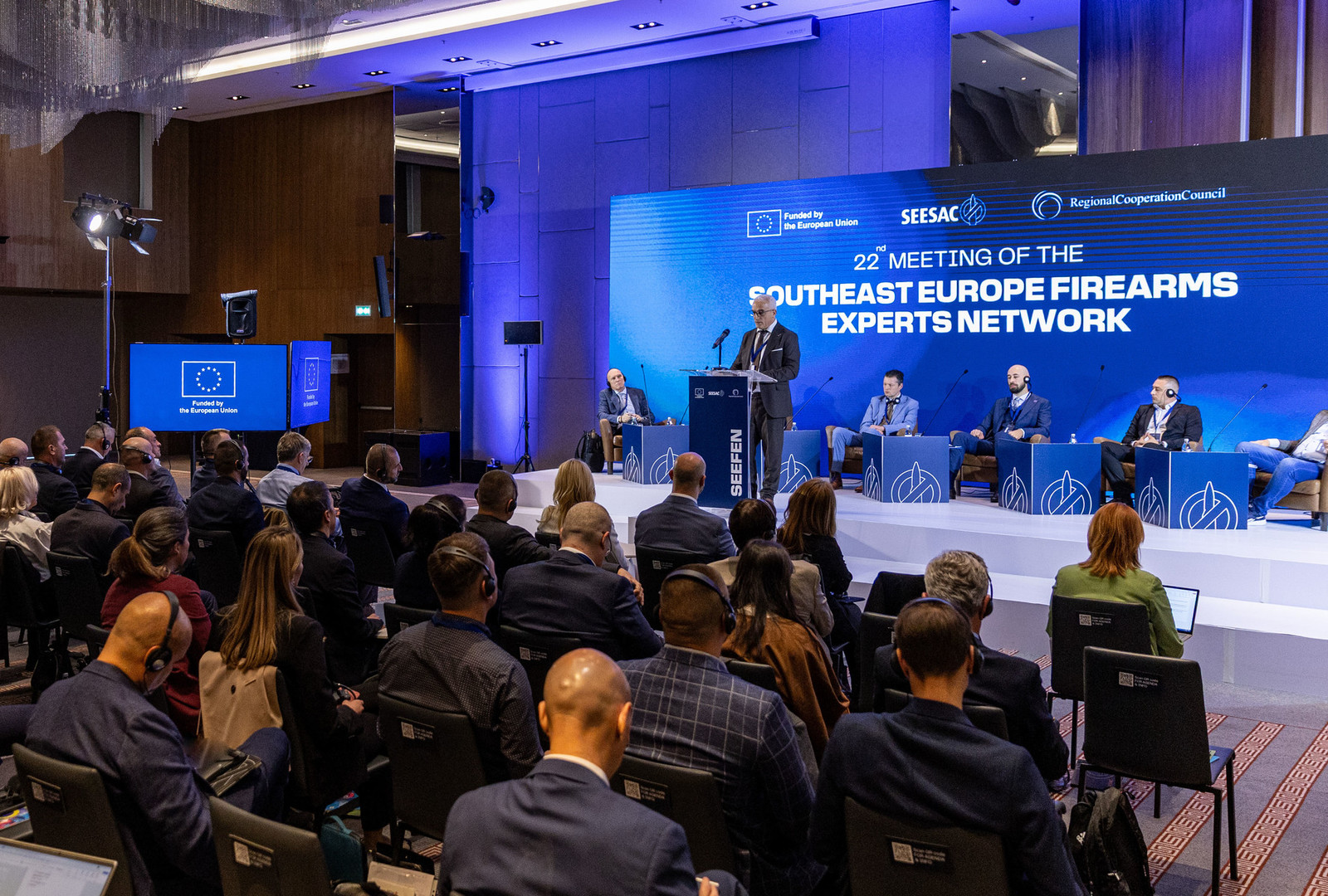
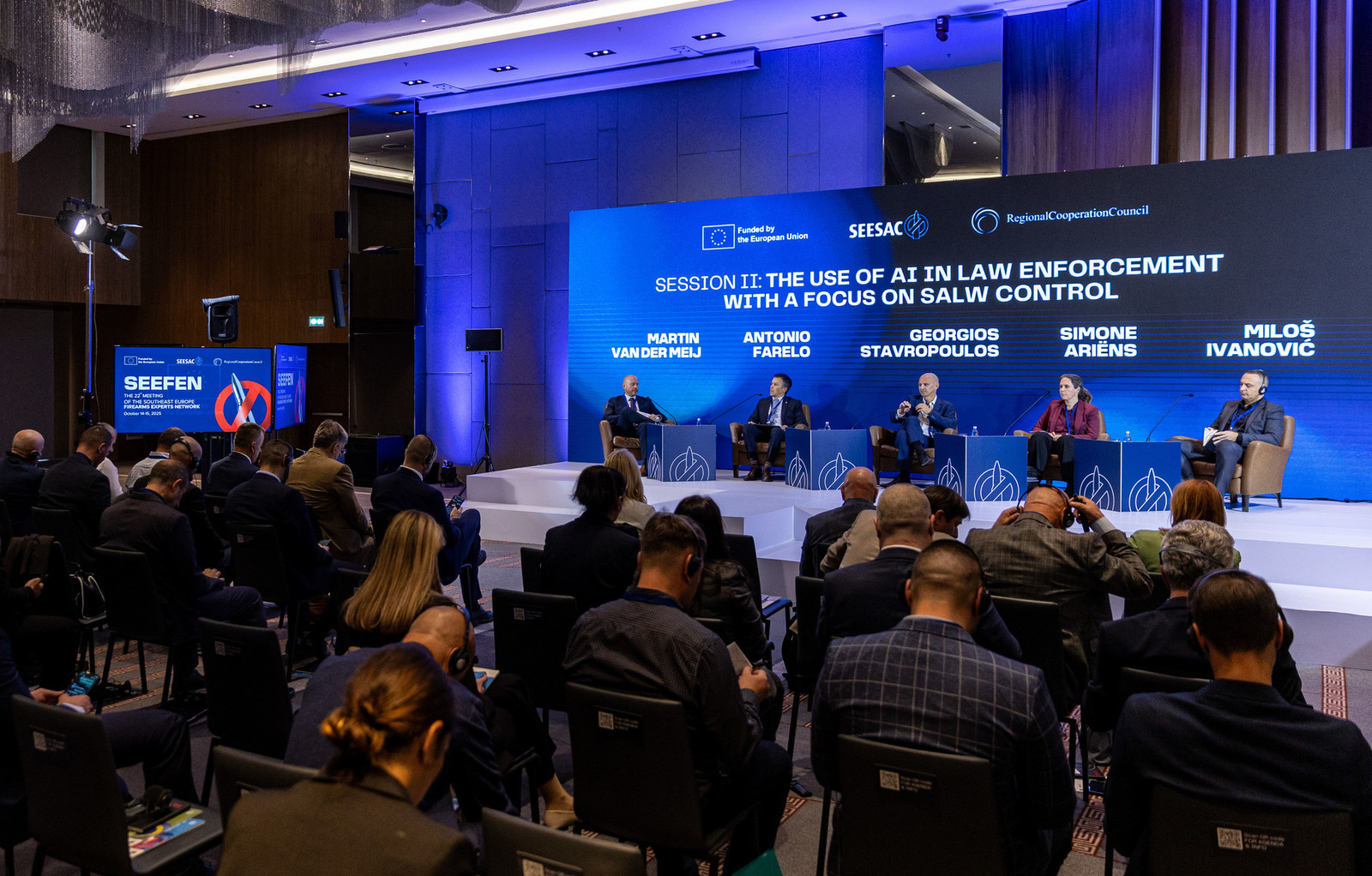
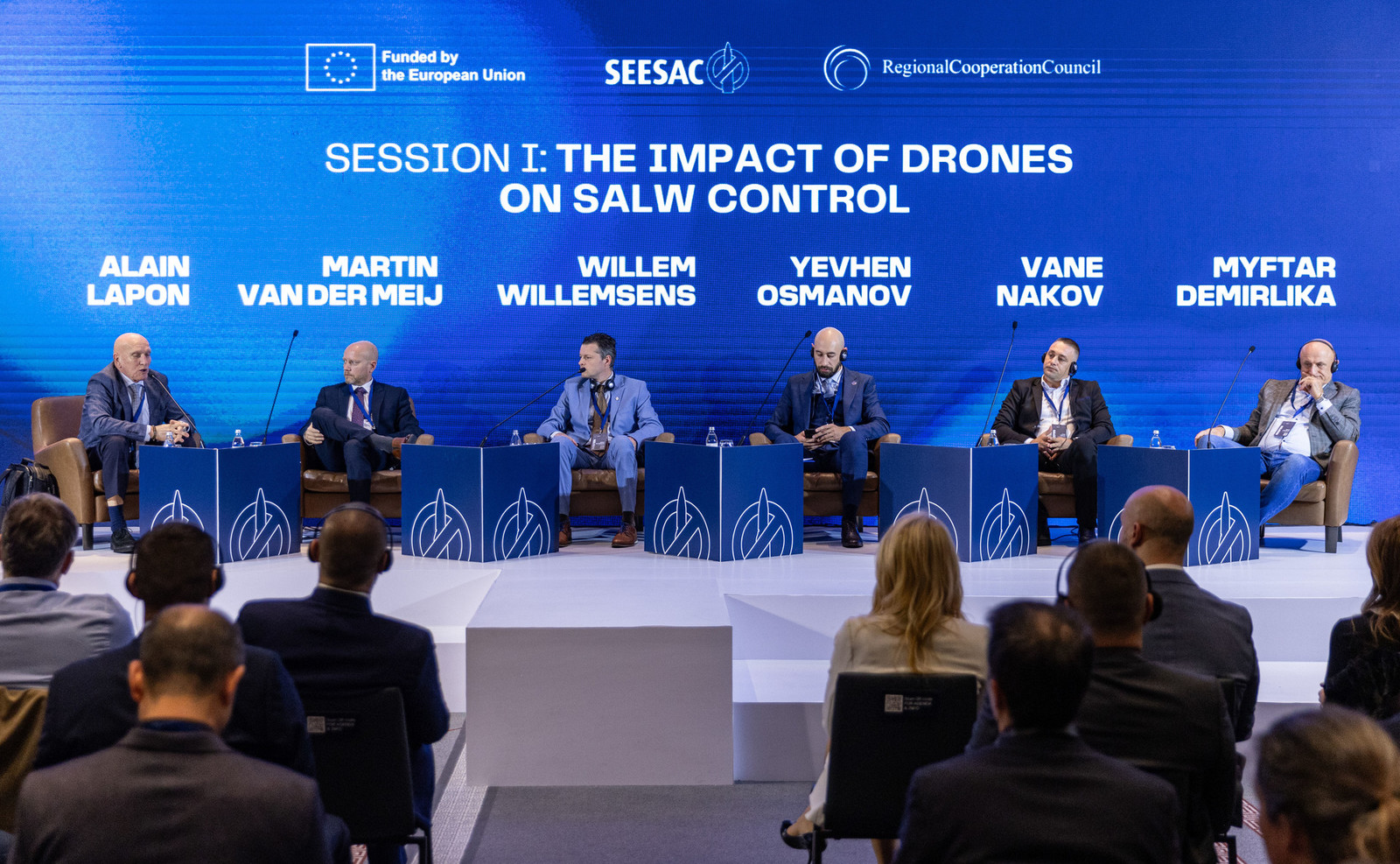
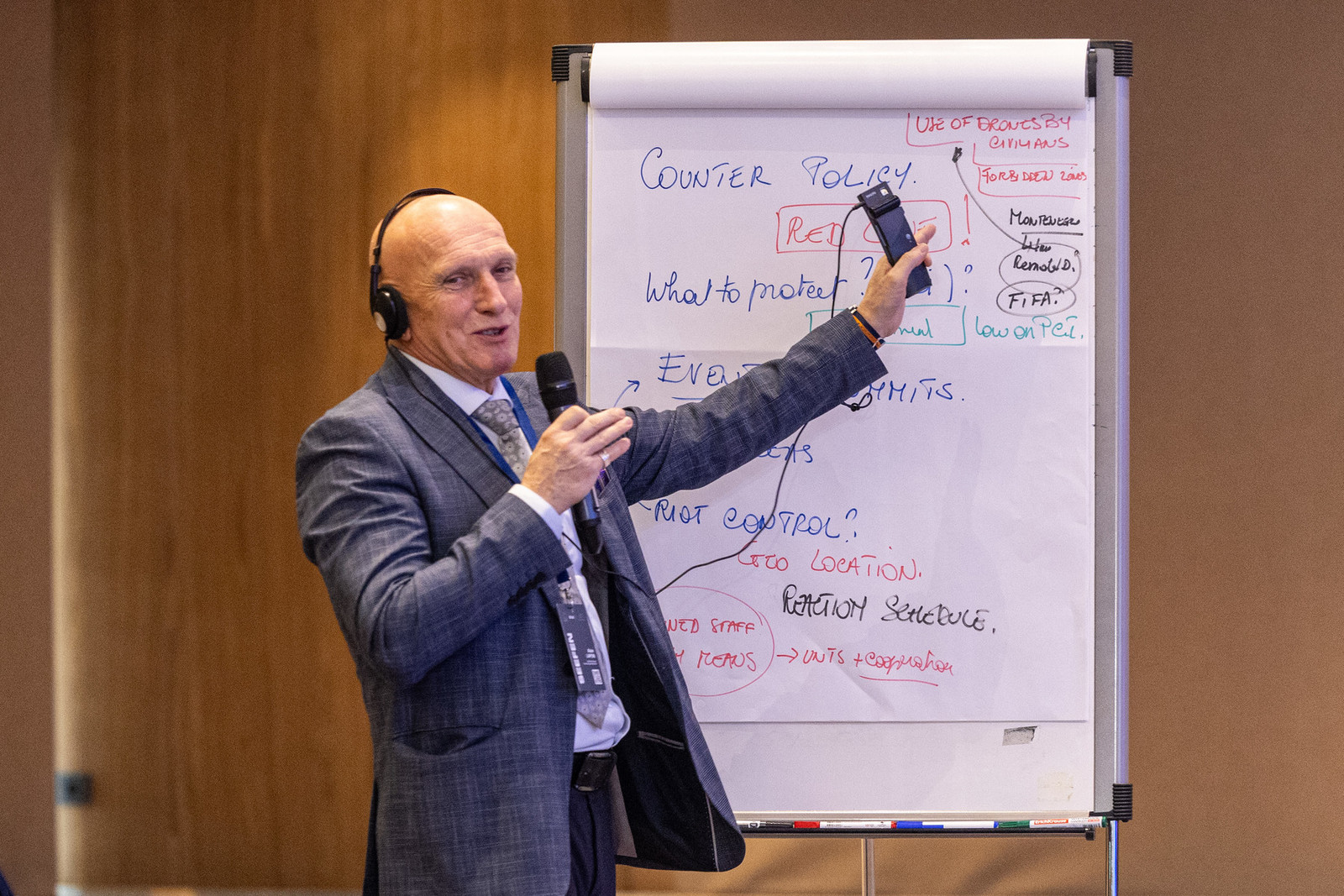
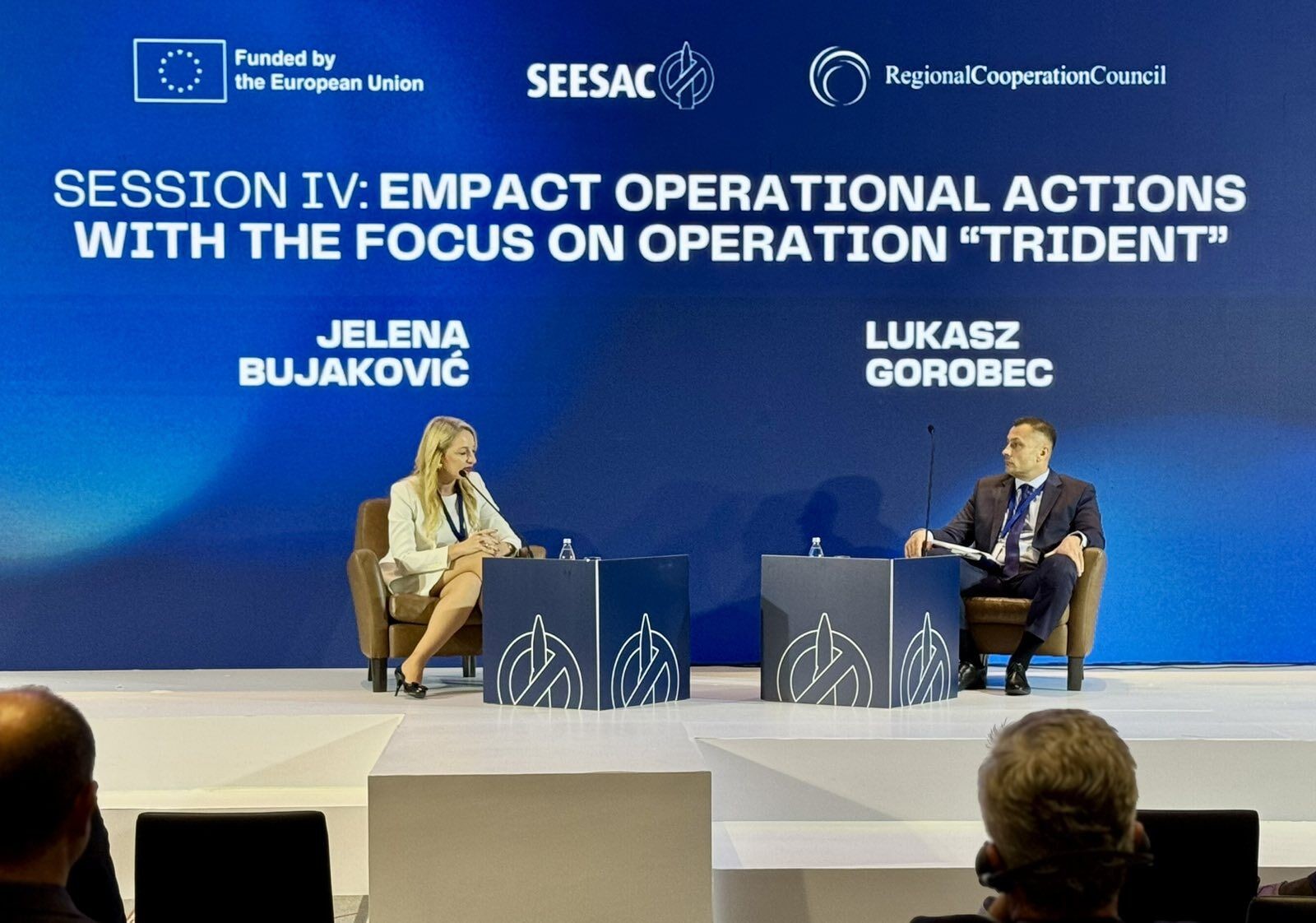
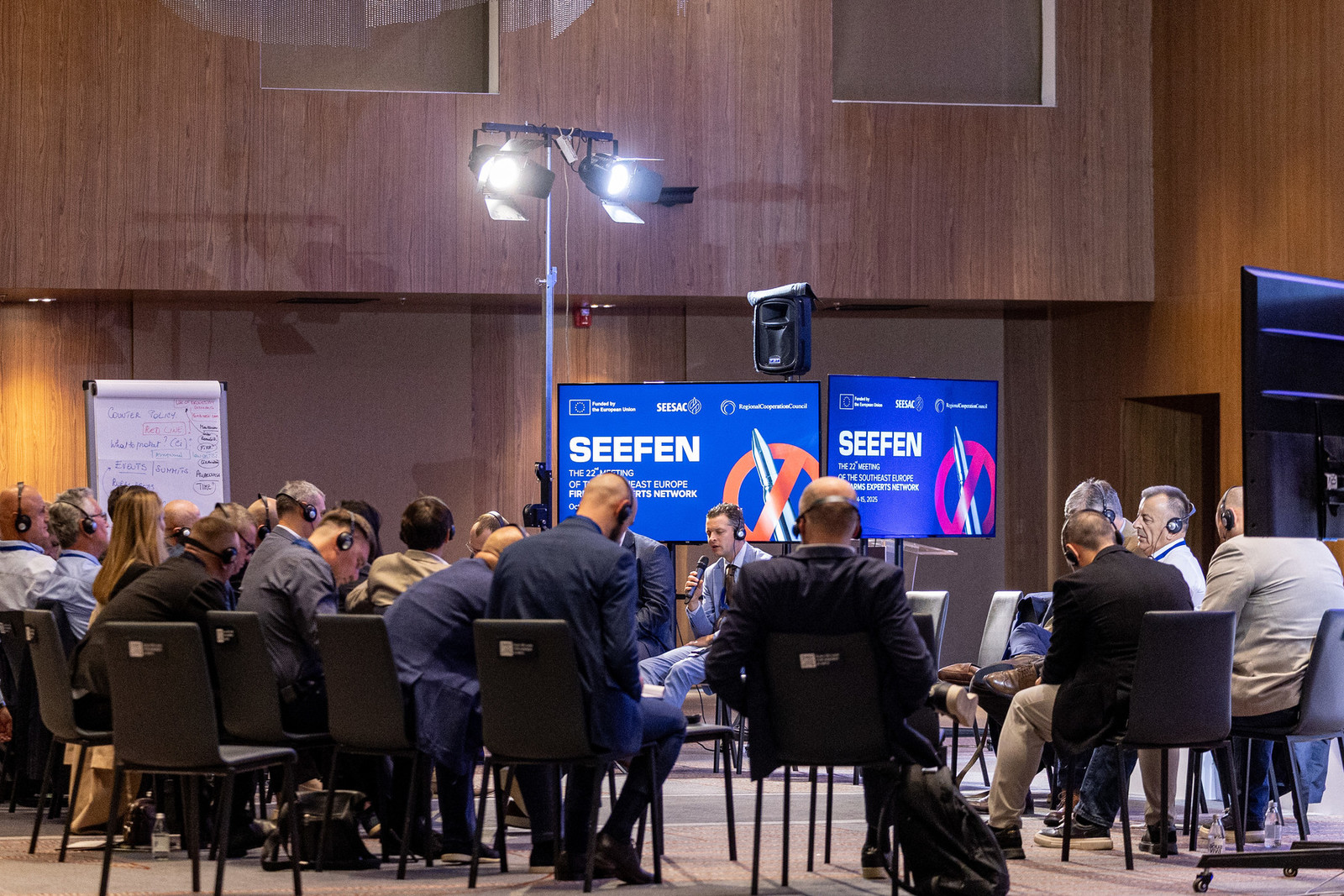
How do you stay ahead when the landscape of SALW control is continuously being transformed by emerging technologies, artificial intelligence, and evolving threats? This question was at the center of the 22nd Regional Meeting of the South-East Europe Firearms Experts Network (SEEFEN), held on 14-15 October 2025 in Skopje.
Supported by the European Union and organized by SEESAC, the meeting brought together investigators, prosecutors, representatives of border police and customs authorities, ballistic experts and international partners to explore how innovation and emerging technologies are reshaping the fight against the illicit SALW trafficking, from border control operations to forensic breakthroughs.
“The use of drones for enhanced border control, provided through SEESAC’s technical support, is a clear example of how new technologies are being successfully implemented,” said Deputy Minister Mr. Astrit Iseni. “The equipment has significantly enhanced our border control efforts and enabled faster, more accurate field operations, particularly in detecting and preventing illegal arms trafficking.”
Advanced equipment such as drones is now part of daily operations in several jurisdictions, allowing for faster and more precise fieldwork. Yet their growing use by organized crime and terrorist groups presents an emerging challenge, underscoring the need for harmonized legal frameworks and stronger cross-border cooperation, a priority emphasized by participants.
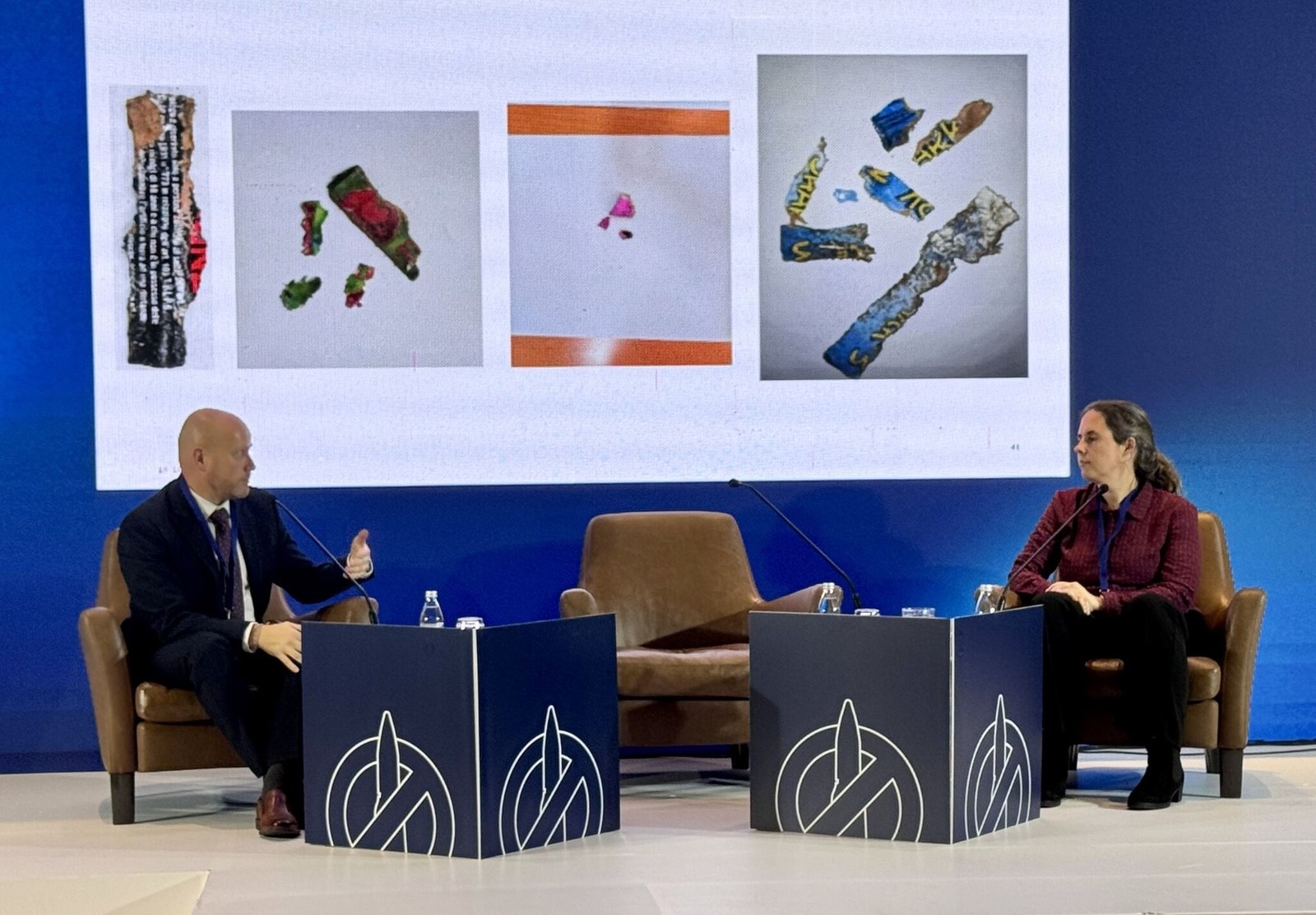
Representatives from the European Commission, the Ceasefire Project, INTERPOL, and the Dutch National Forensic Institute examined how AI is being integrated into firearms control, with discussions focused on ethics, data management, and innovation that responsibly serves public safety.
A new AI-powered model for post-blast identification of pyrotechnics, presented and developed by the Dutch National Forensic Institute, showcased how technology can enhance forensic precision by using machine learning to identify explosive residues faster and more accurately, offering a glimpse of the future of forensic investigation.
Furthermore, to help authorities collect, analyze, and compare seizure data in a consistent manner, the EU-funded project VISTA was presented, aimed at strengthening regional intelligence-sharing and contributing to a clearer understanding of trafficking routes and patterns.
Beyond technology, the meeting reaffirmed that effective firearms control depends on regional cooperation. Participants shared the newest challenges they are facing in everyday work, statistics on firearm seizures, and the particularities of forensic examinations of seized firearms. They once again highlighted the importance of joint operations, data sharing, and continuous training of police officers. The upcoming JAD SEE stood out as an EU-supported, intelligence-led model for coordinated
regional action.
SEESAC also shared the preliminary findings of the new research on the factors influencing the demand for firearms in the Western Balkans, with insights that will guide targeted prevention and awareness-raising policies across the region.
The South-East Europe Firearms Experts Network (SEEFEN) facilitates cooperation among firearms experts across the region, and is made possible through the implementation of the EU Council Decision (CFSP) 2024/3006 in support of SEESAC disarmament and arms control activities in South Europe, thereby reducing the threat posed by illicit small arms, light weapons, and their ammunition, and the Council Decision (CFSP) 2022/2321 in support of SEESAC for the implementation of the Regional Roadmap on combating illicit arms trafficking in the Western Balkans.