
Global Security Challenges at the Focus of the 22nd SALW Commission Meeting
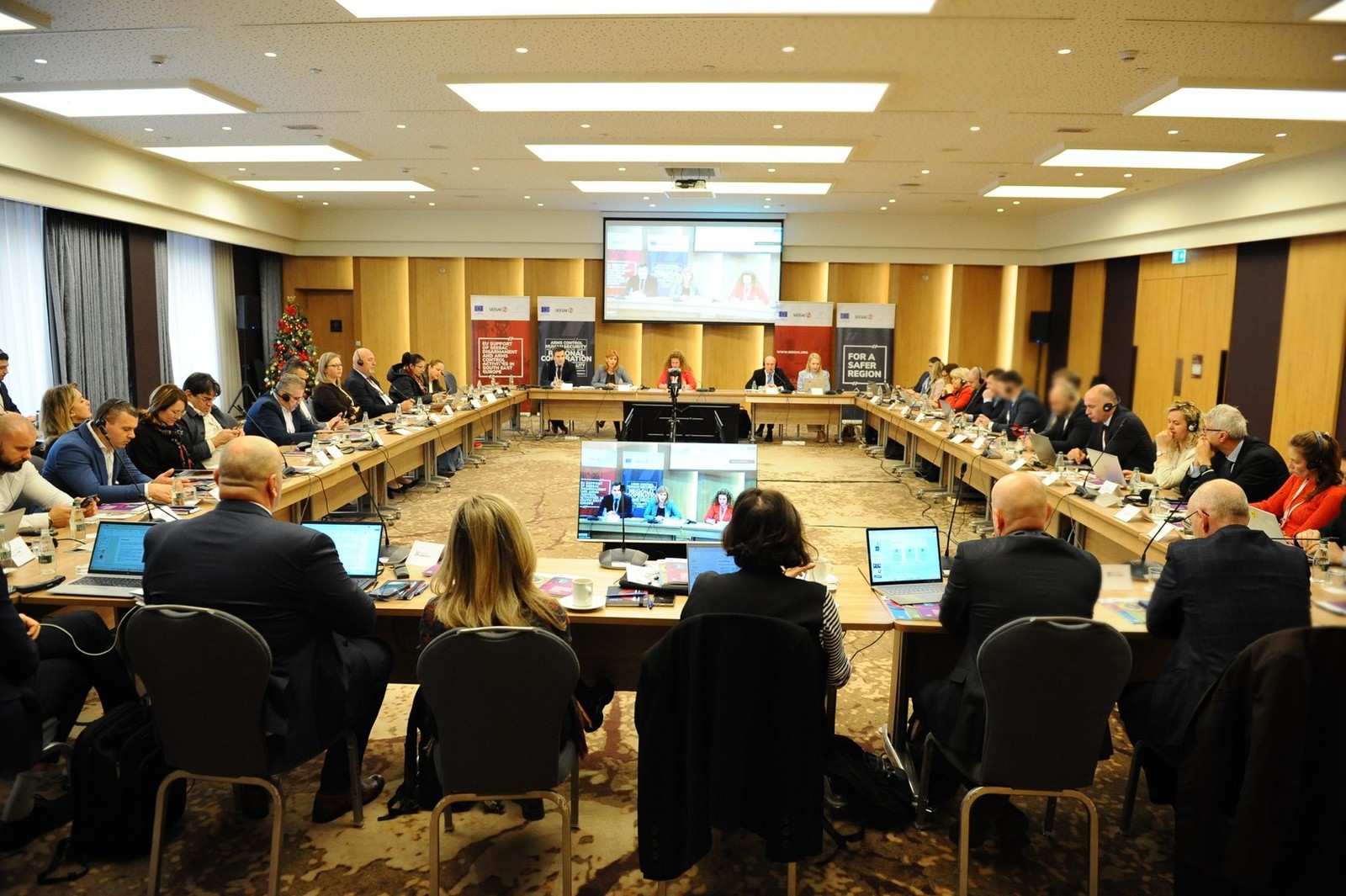
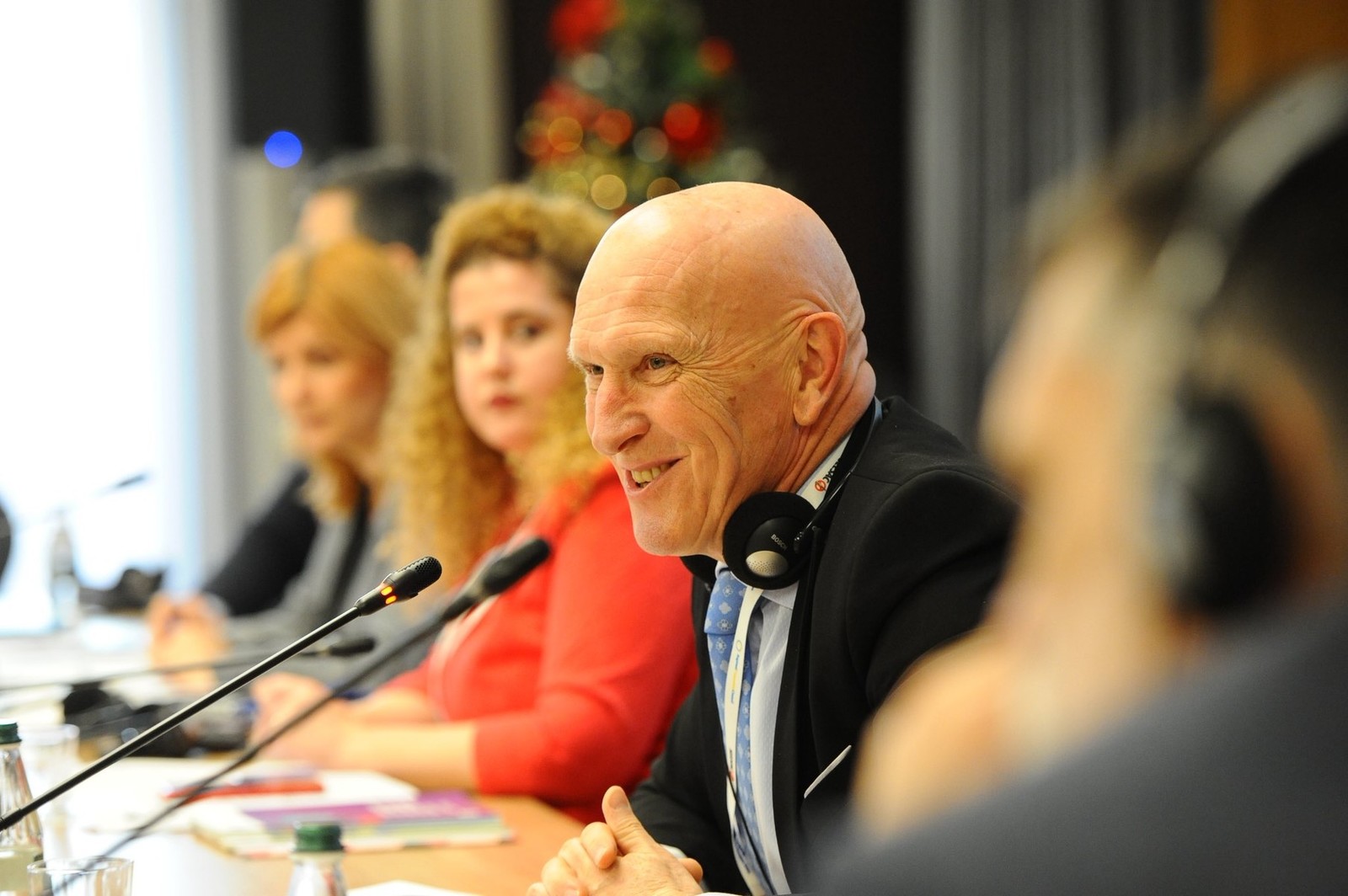
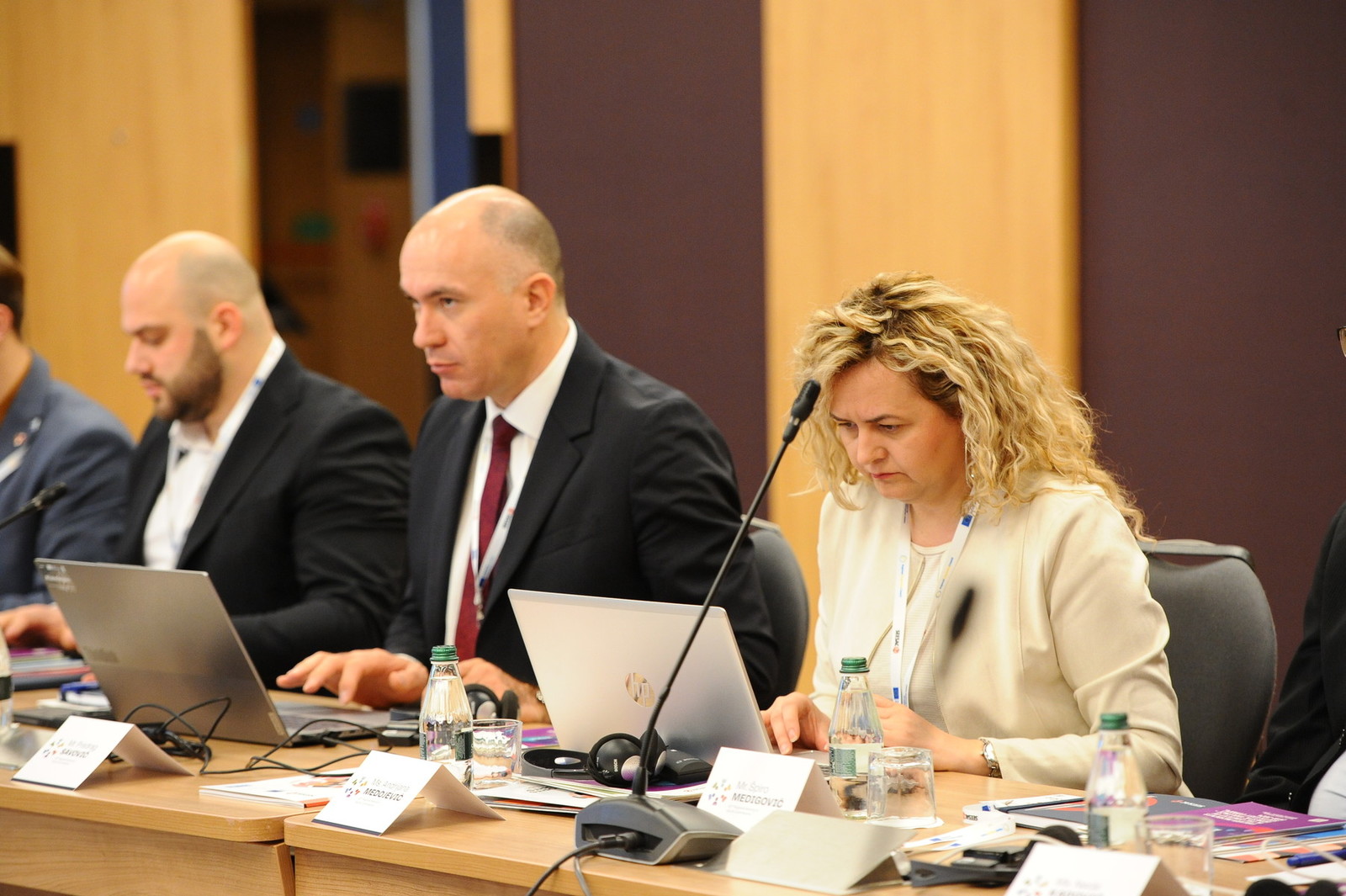
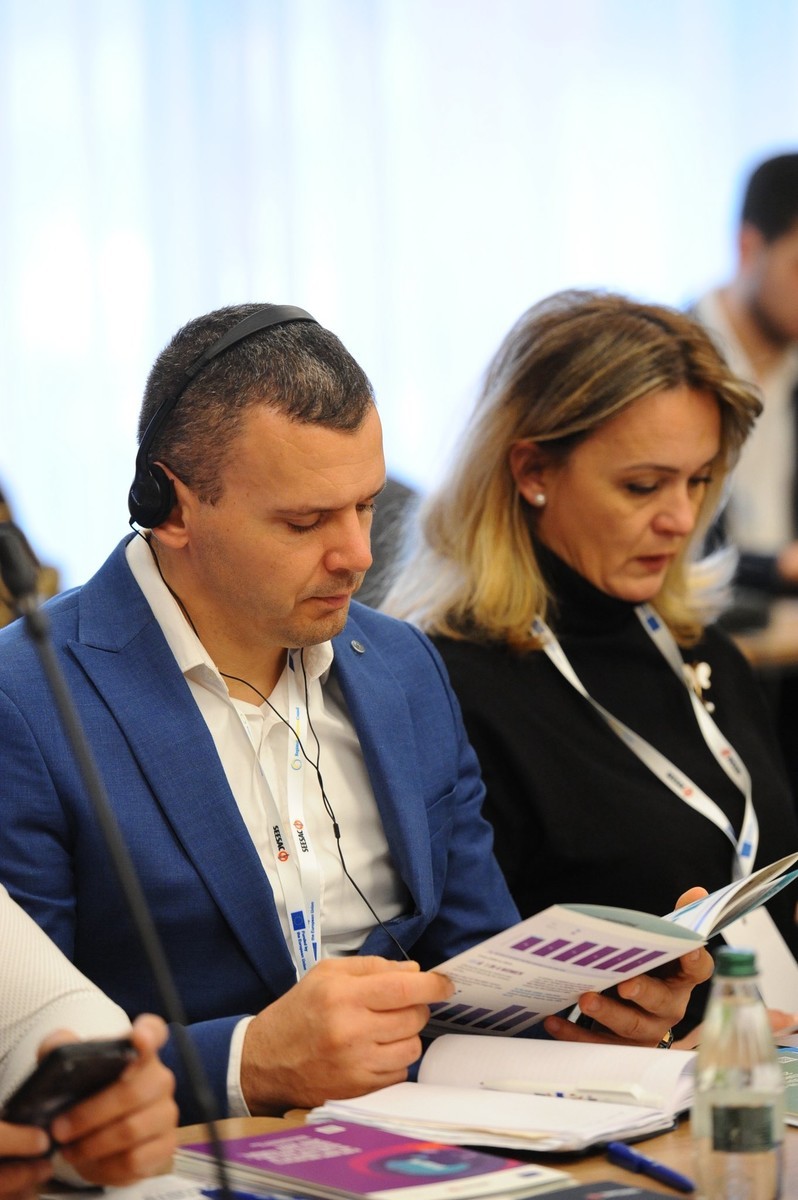
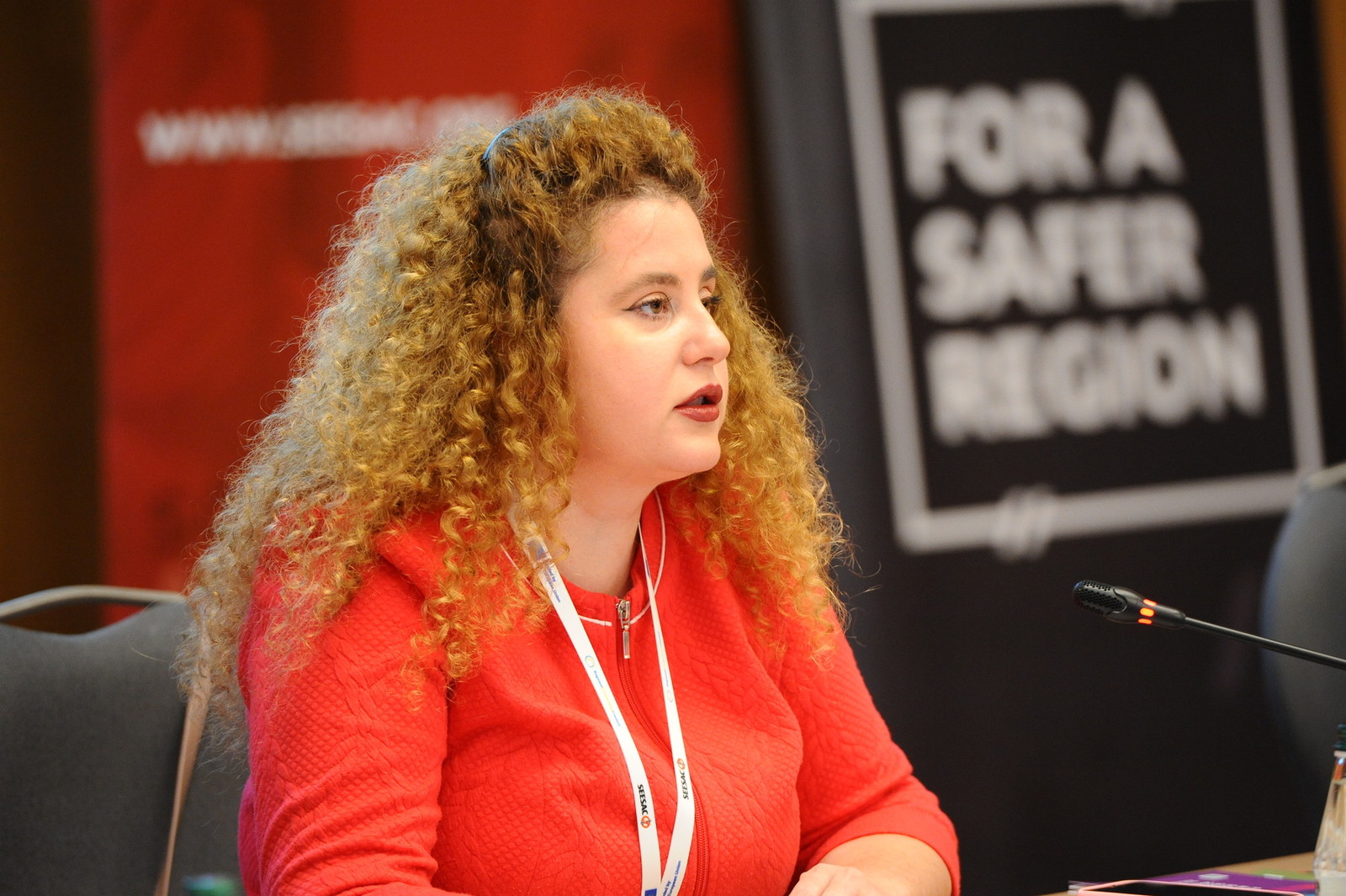
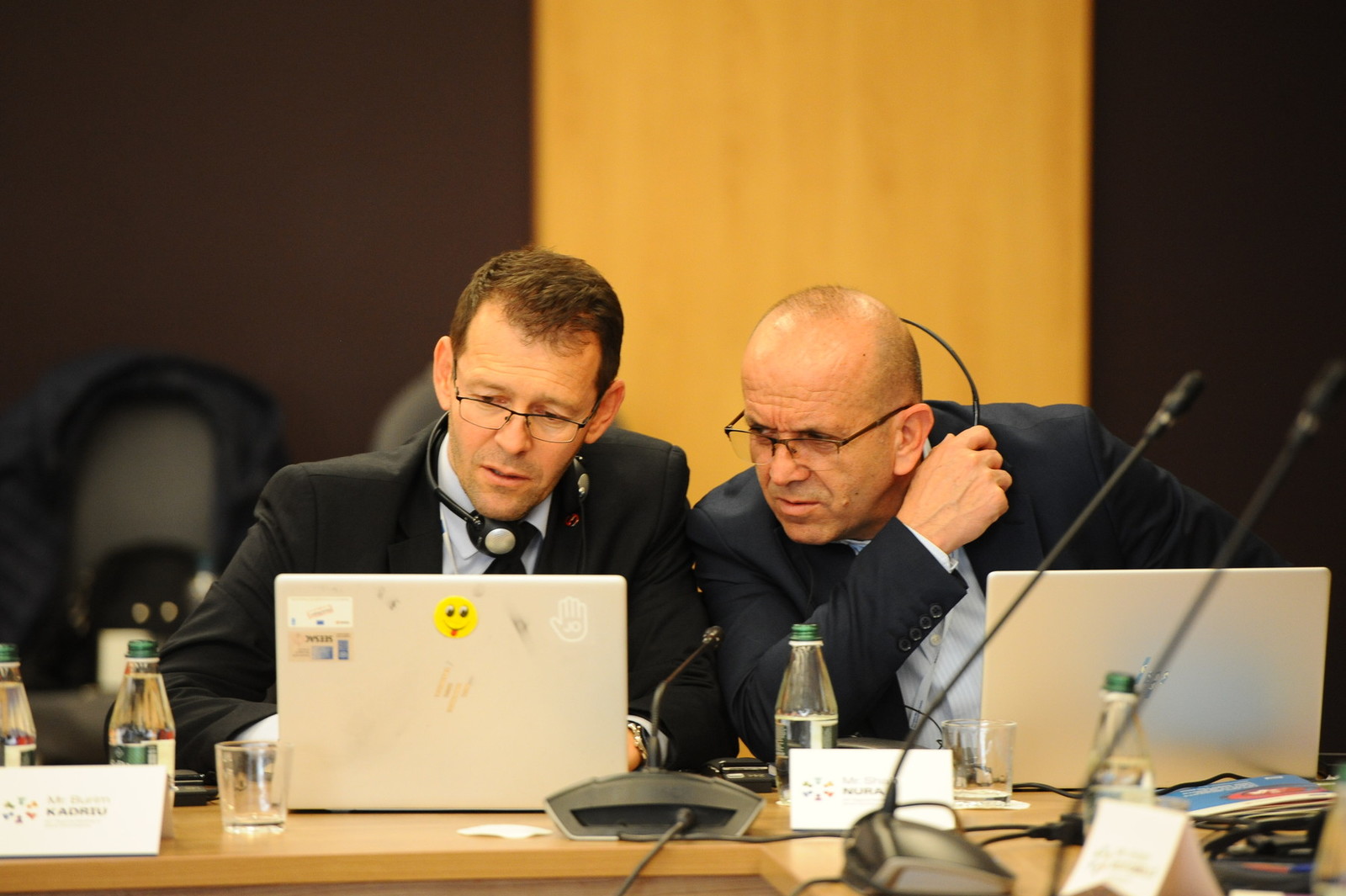
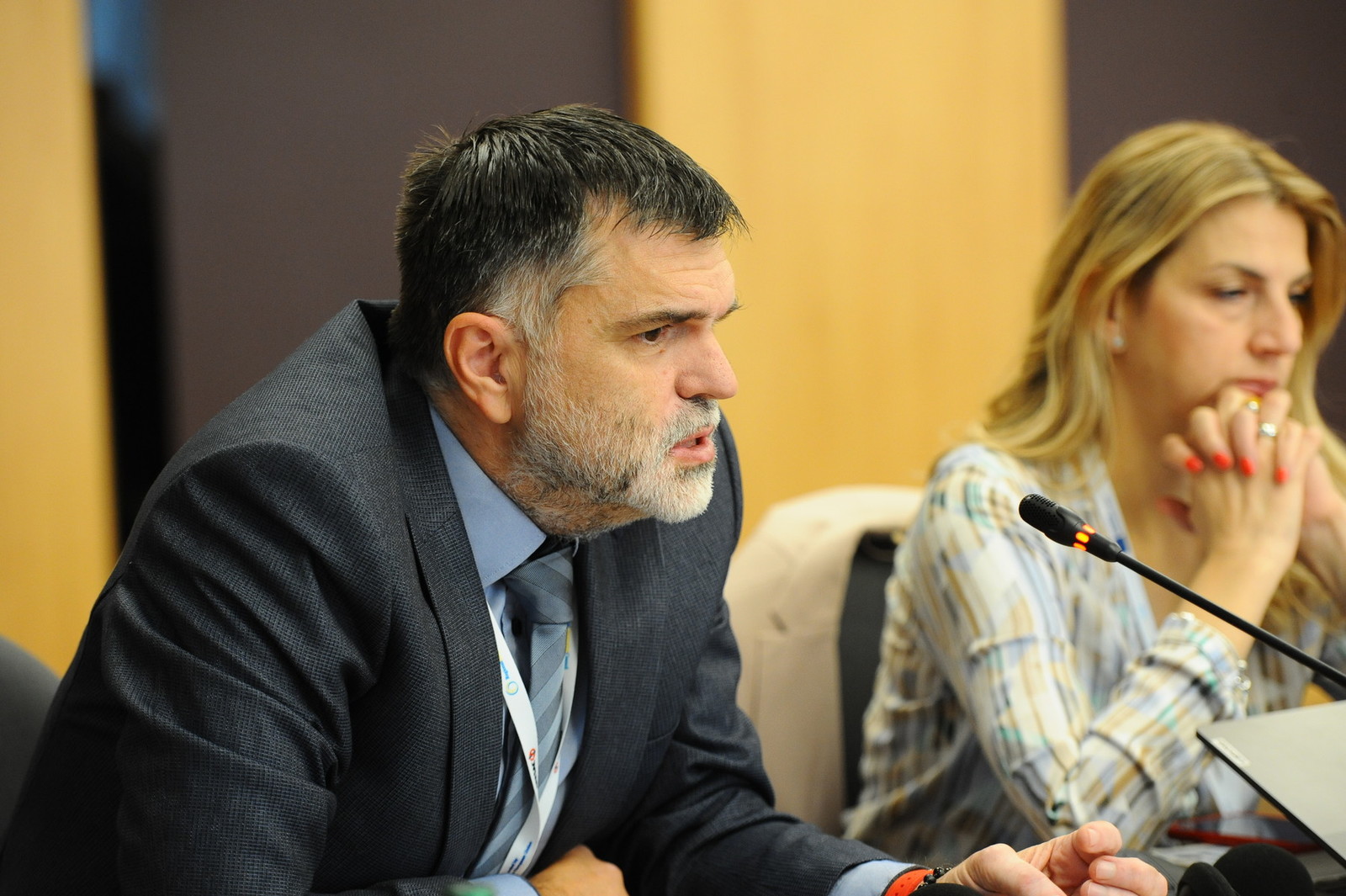
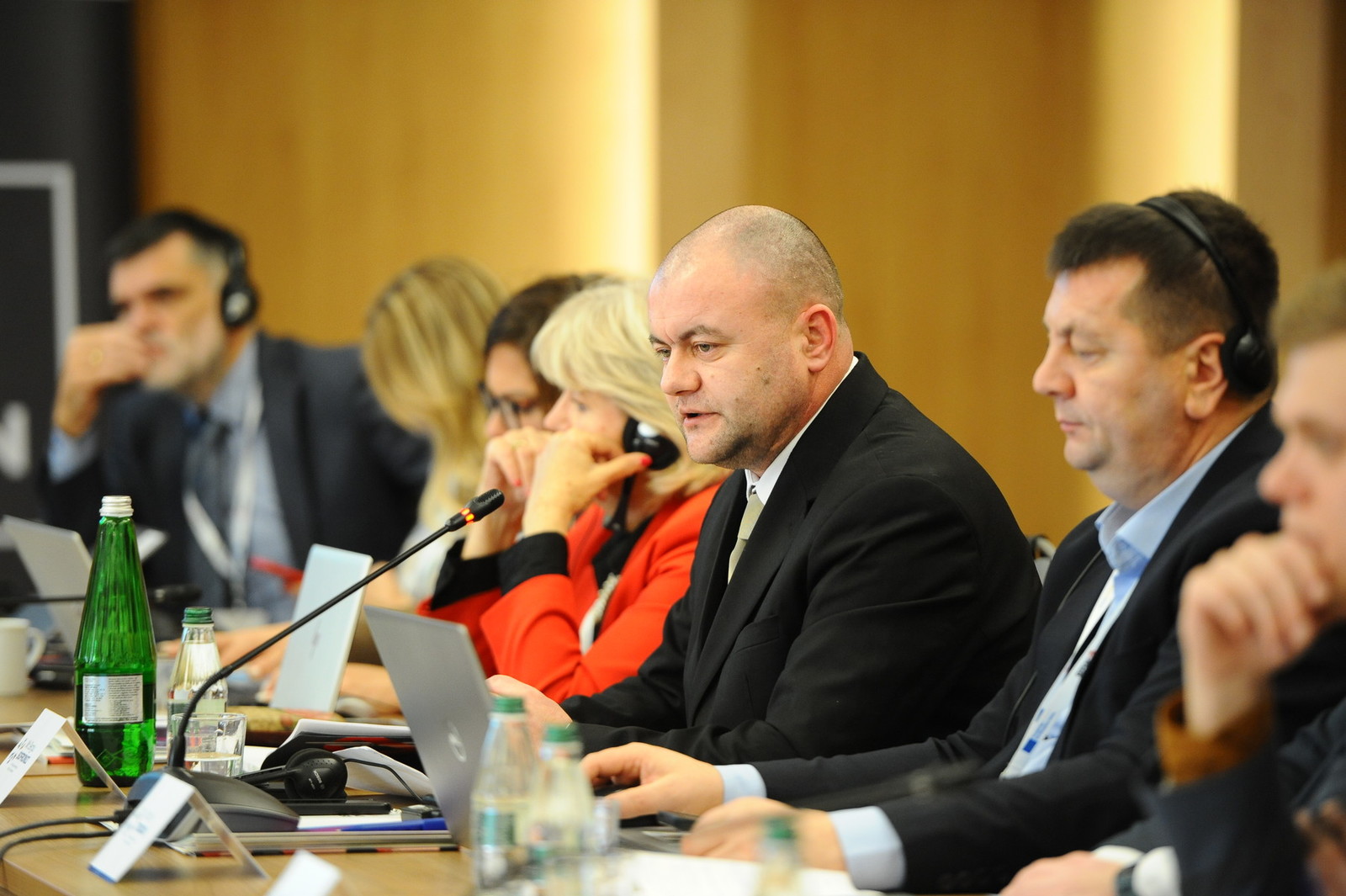
The Regional Meeting of Small Arms and Light Weapons (SALW) Commissions convened for the 22nd time on 11 December 2025 in Tirana. With both in-person and virtual participation, the meeting brought together SALW Commissions and law enforcement representatives from South-East Europe – Belgrade, Chișinău, Kyiv, Podgorica, Pristina, Sarajevo, Skopje, and Tirana – SALW control experts, and representatives from the European Commission and partner organisations.
This round focused on security challenges of high relevance to contemporary global security developments, discussed in the context of South-East Europe. Updates on the European Union legal framework, emerging technologies, and SALW control developments, ammunition management, and a gender-responsive approach to SALW control, paired with hands-on contributions from the delegations, culminated in a rich and insightful meeting.
The European Commission contributed with an update on the status of implementation and amendment of various EU directives and regulations covering firearms, ammunition, and pyrotechnics, including the new Regulation 2025/41, the upcoming proposal on the criminalisation of firearms offences, and the latest planned research on the use of pyrotechnics in the European Union.
One of the key themes addressed by the meeting was the emerging technologies and the institutional vulnerabilities of arms control in relation to these technologies. SEESAC shared data on how new and fast-evolving technologies are affecting illicit firearms threats in the Western Balkans and beyond, particularly threats of 3D-printed, converted/counterfeit and modular firearms, weaponised drones, big data, and AI, and the required adaptive regulatory and operational responses. Legal alignment with the EU acquis, forensic upgrades, stronger regional information sharing, and responsible technological adoption with safeguards were among the recommendations for the authorities from South-East Europe in order to tackle these challenges more effectively.
Representatives of the SALW Commissions from Chișinău and Kyiv shared key developments in arms control at both policy and operational levels, highlighting the development and adoption of SALW control strategies in their jurisdictions and outlining ongoing and planned activities aimed at preventing and countering the misuse, illegal possession, and trafficking of firearms.
Key aspects of oversight of weapons and ammunition production were addressed in a dedicated session. SALW Control experts from SEESAC, Conflict Armament Research, and the delegation from Belgrade covered applicable legal requirements, record-keeping obligations, on-site inspections, internal compliance programs, and security measures related to weapons and ammunition manufacturing oversight.
The presentation of findings from the Regional Arms Exports Report 2023 followed the discussions. Compiled regularly by SEESAC based on inputs from all several jurisdictions in the Western Balkan, this report makes the Western Balkans the only region in the world, aside from the EU, to systematically produce such a regional arms exports report, a practice in place since 2009.
As part of one thematic session, SEESAC presented findings from three studies seeking to advance a gender-responsive approach to SALW control and armed violence victim support in the Western Balkans. The Regional Analysis of the Status of Women in SALW Control highlighted the important role of women’s participation in SALW control policy, as well as policy gaps and challenges, based on a legal framework review and extensive empirical data collected with the support of the Western Balkans jurisdictions.
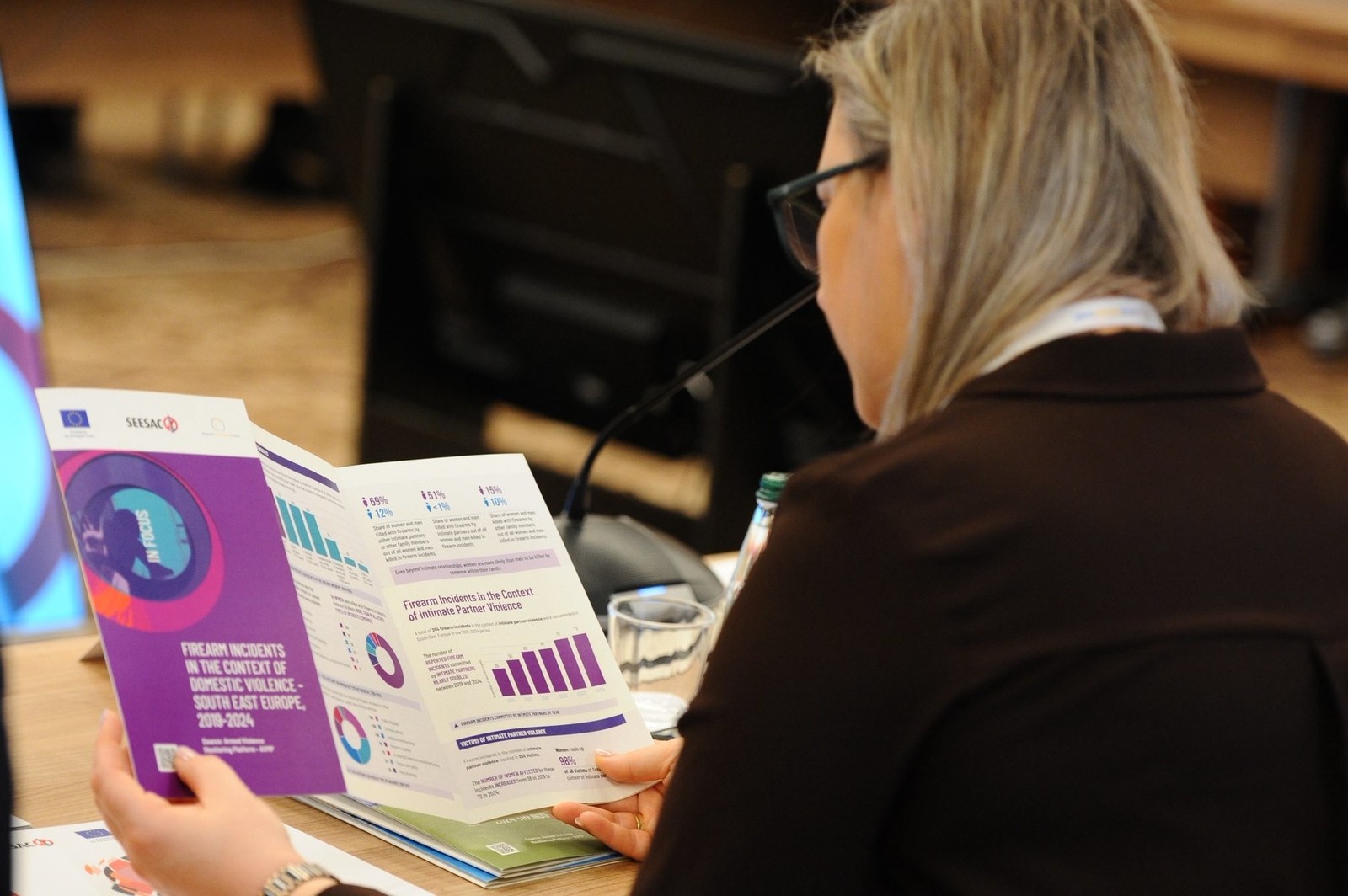
The Regional Study on the Misuse of Firearms in Domestic Violence examined the impact of firearms in domestic violence in the Western Balkans, drawing mainly on data from SEESAC’s Armed Violence Monitoring Platform. Lastly, the institutional response for victims of armed violence was presented as part of SEESAC’s pioneering analysis - Support Services for Victims of Armed Violence.
The evidence generated through these studies will support participating jurisdictions in better understanding the progress made, where persistent challenges remain, and how policies can be further strengthened to ensure the safety and wellbeing of women and men across the region.
The 22nd Regional SALW Commission Meeting was organized with the financial support of the European Union, through Council Decision 2024/3006, in support of SEESAC disarmament and arms control activities in South-East Europe, reducing the threat of illicit small arms and light weapons (SALW) and their ammunition.