
Turning Commitments into Action: Advancing Women's Participation in SALW Control
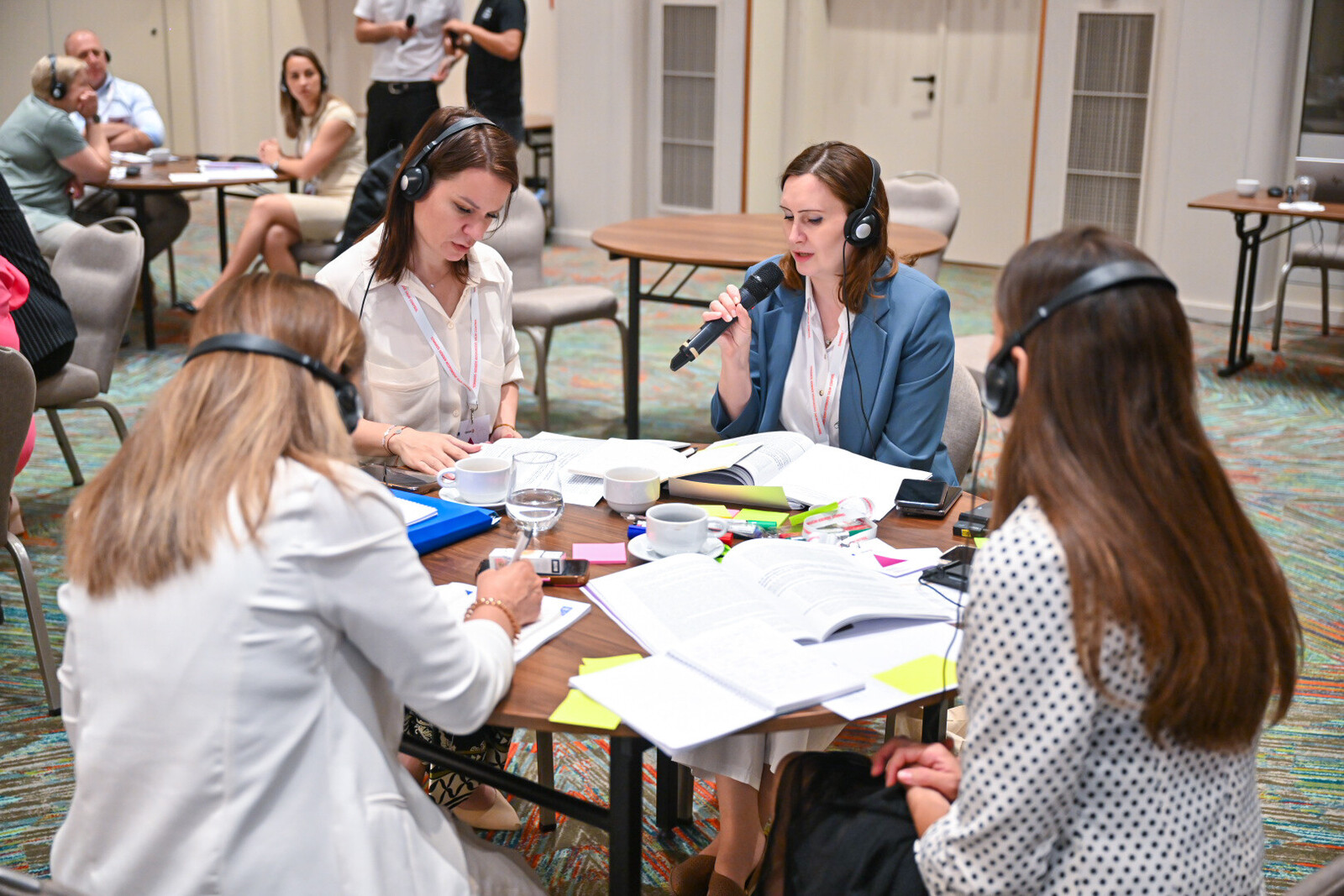
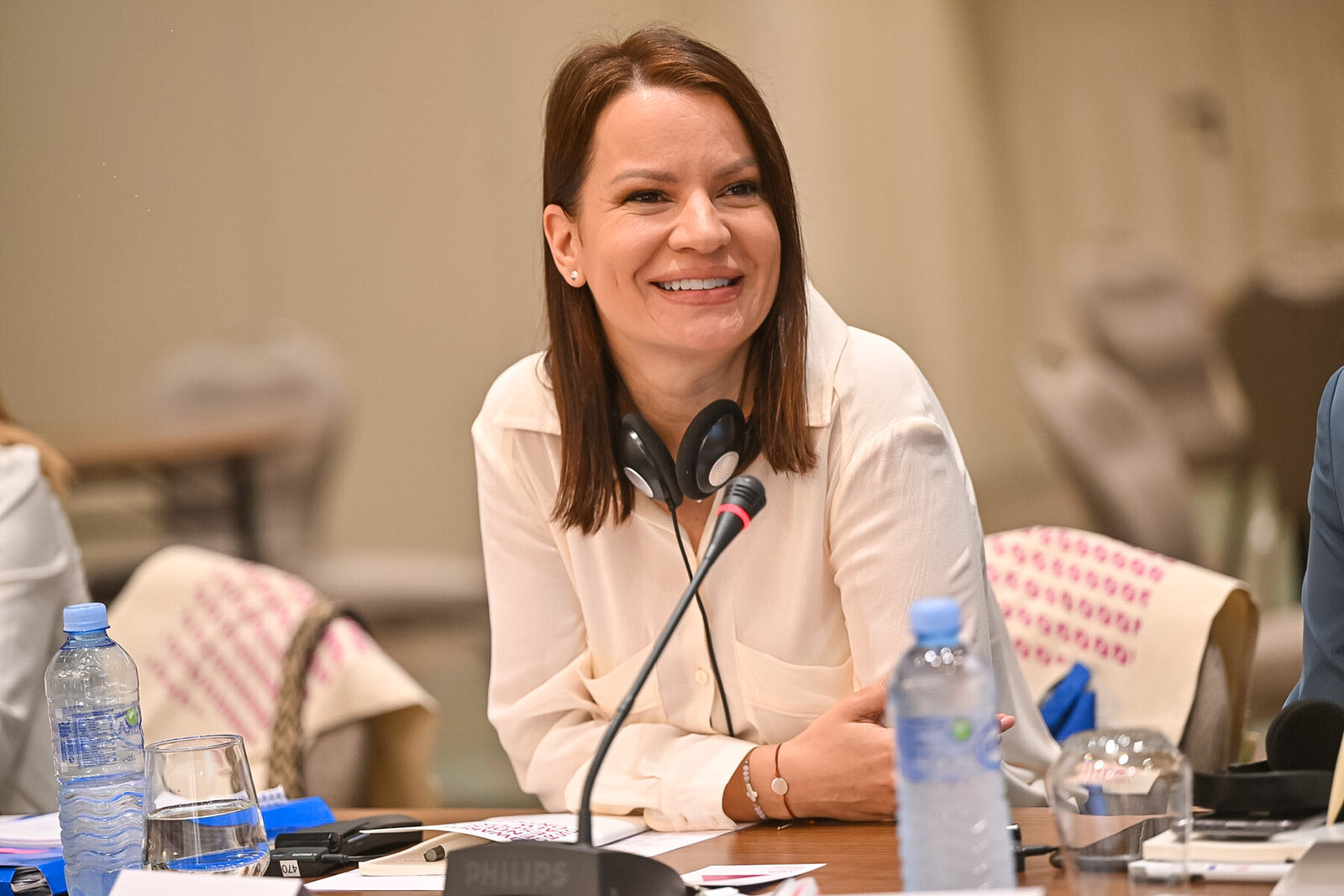
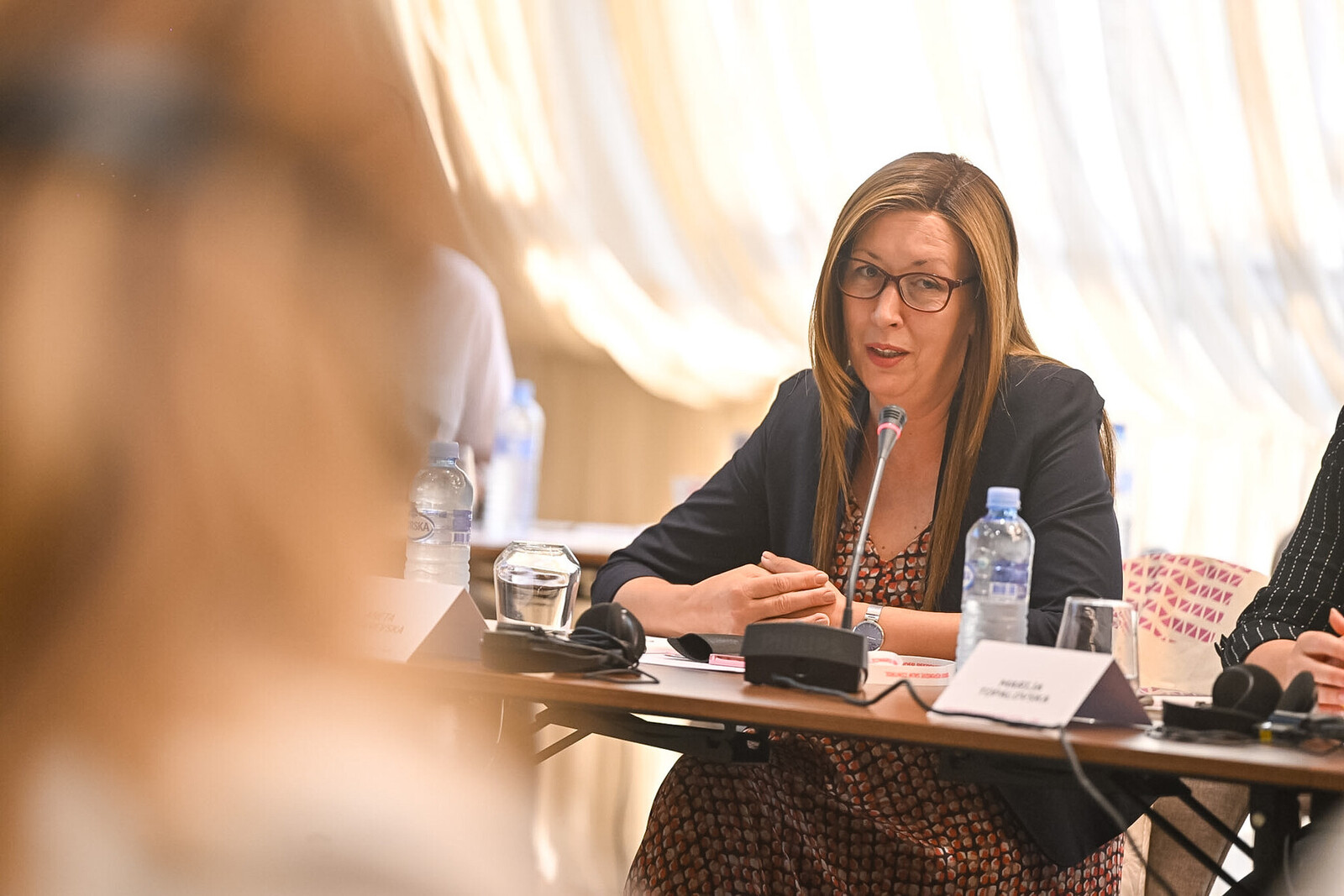
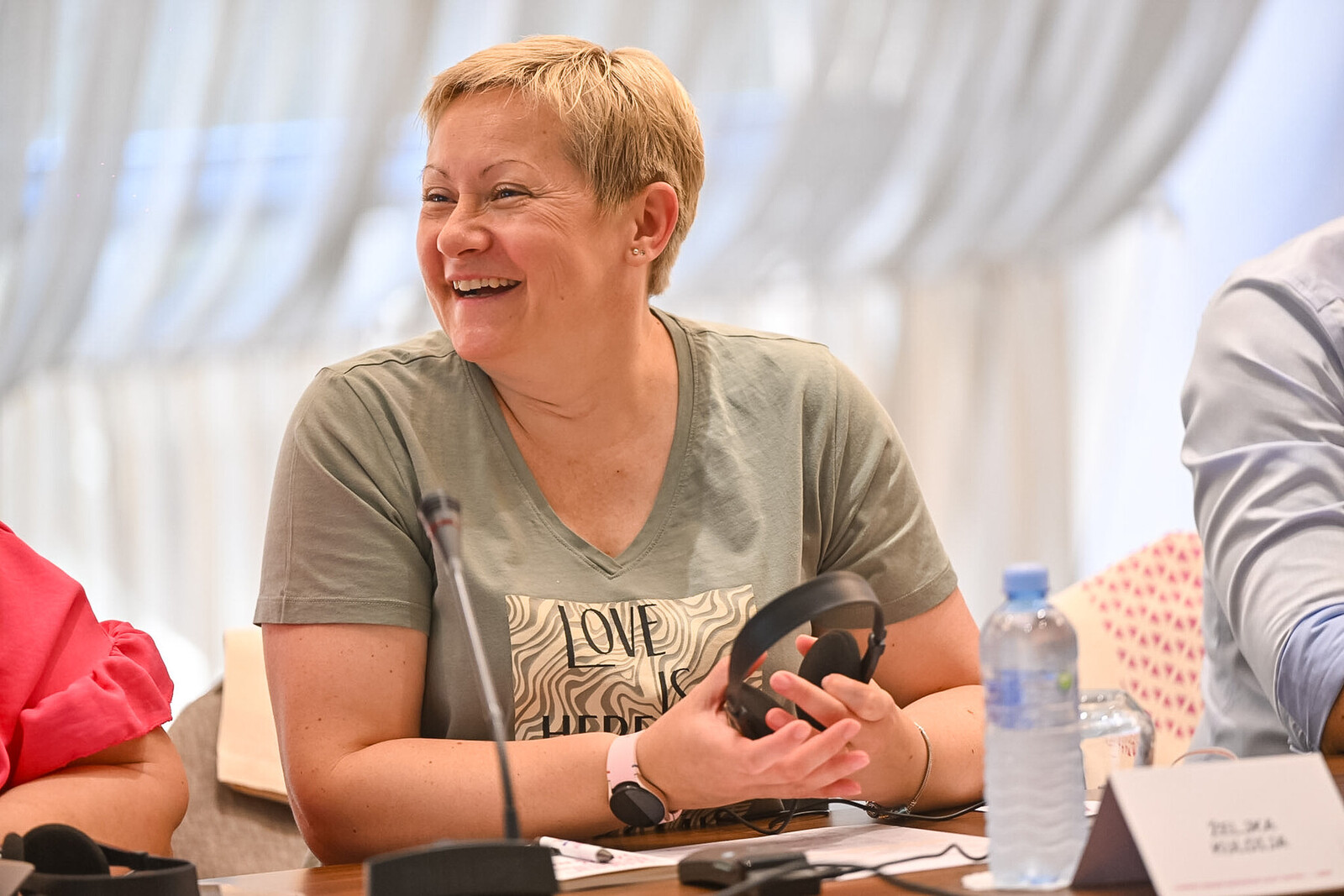
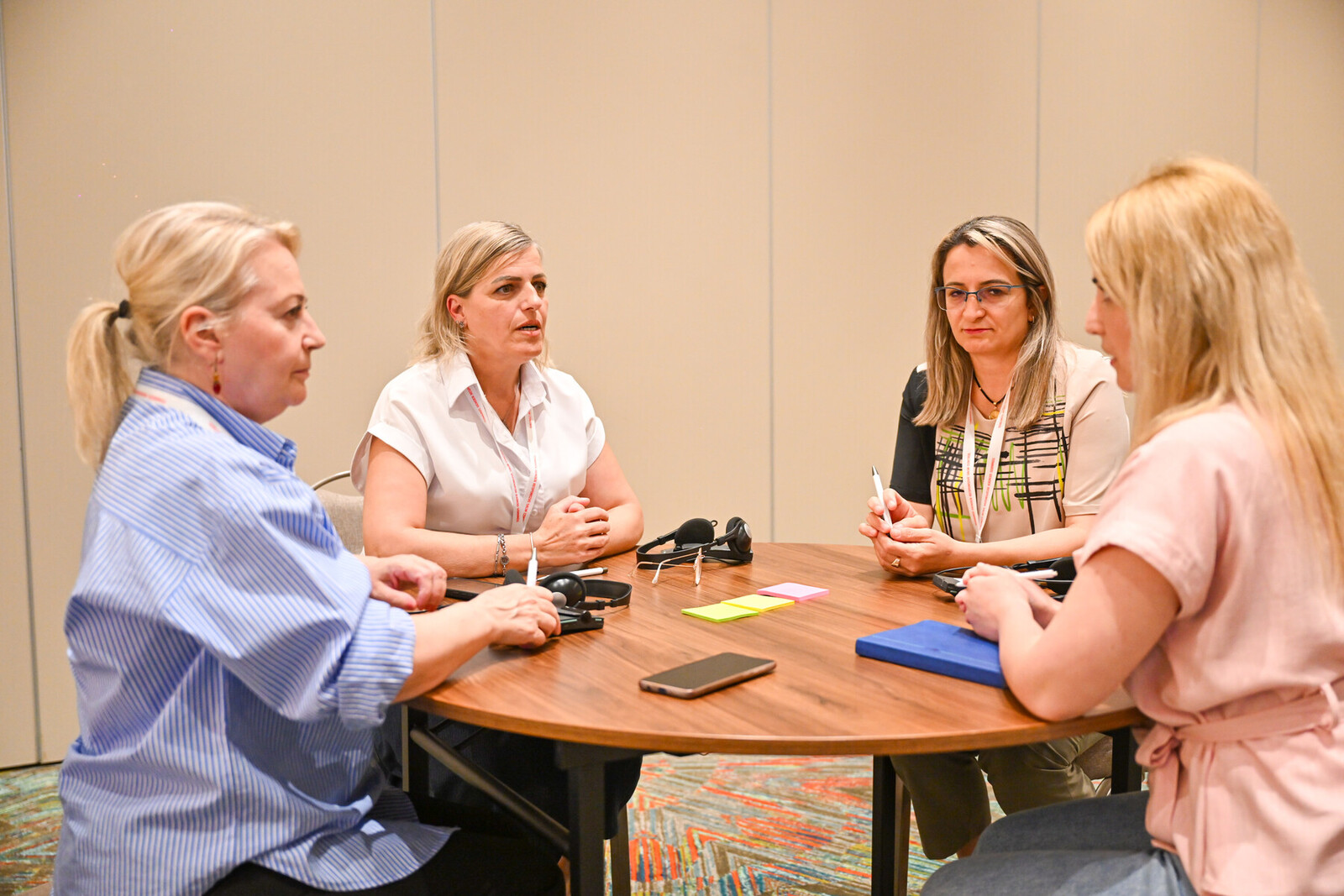
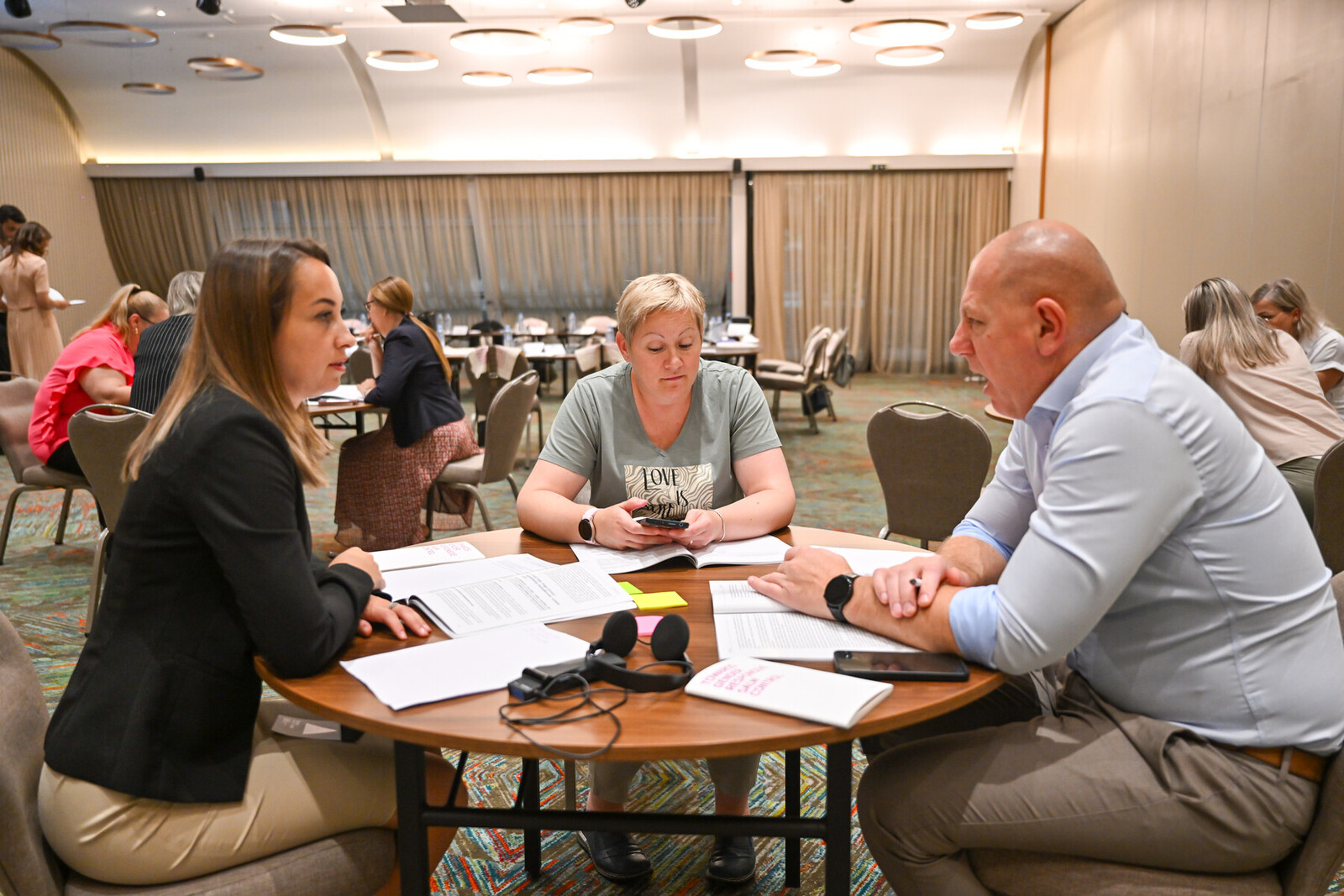
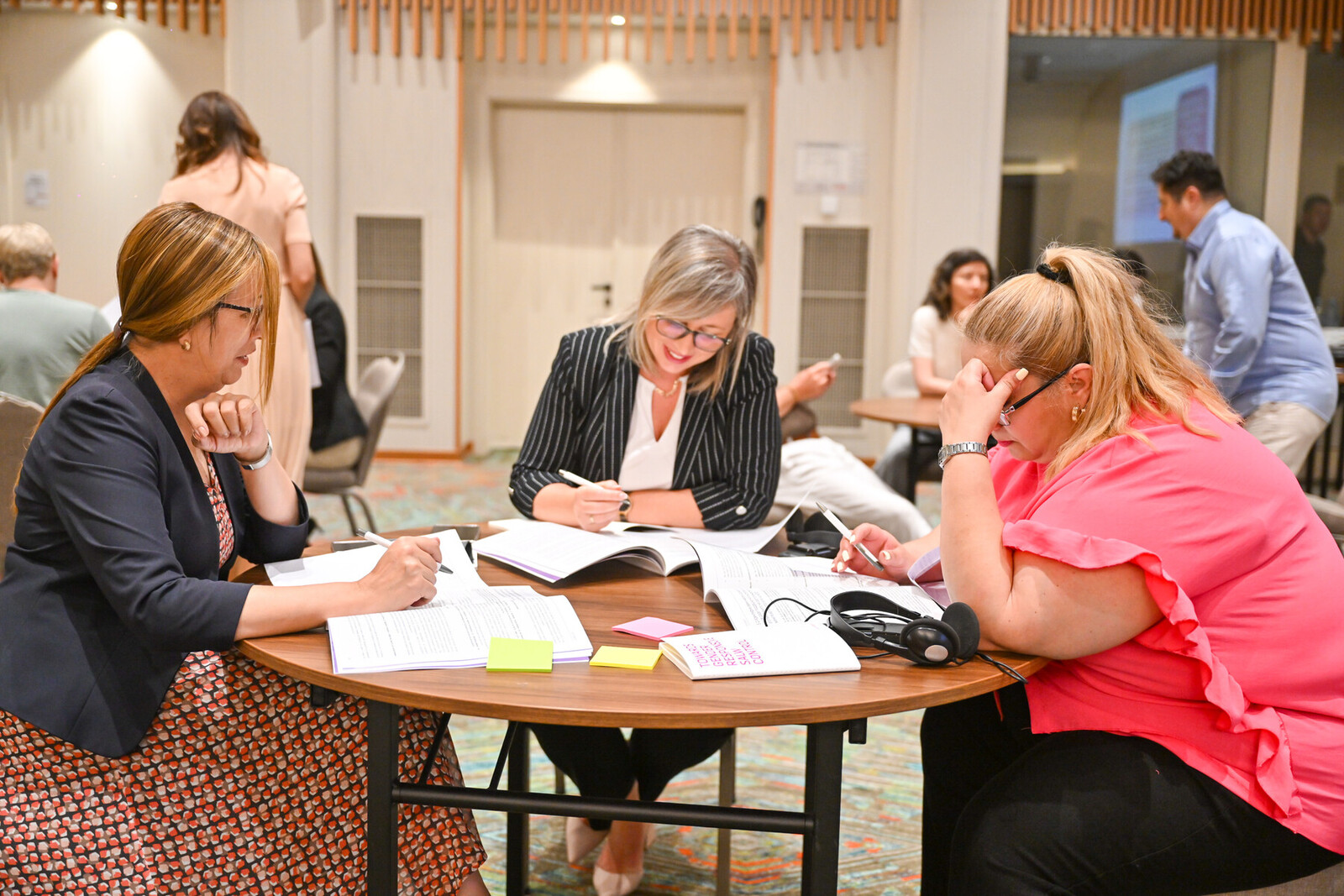
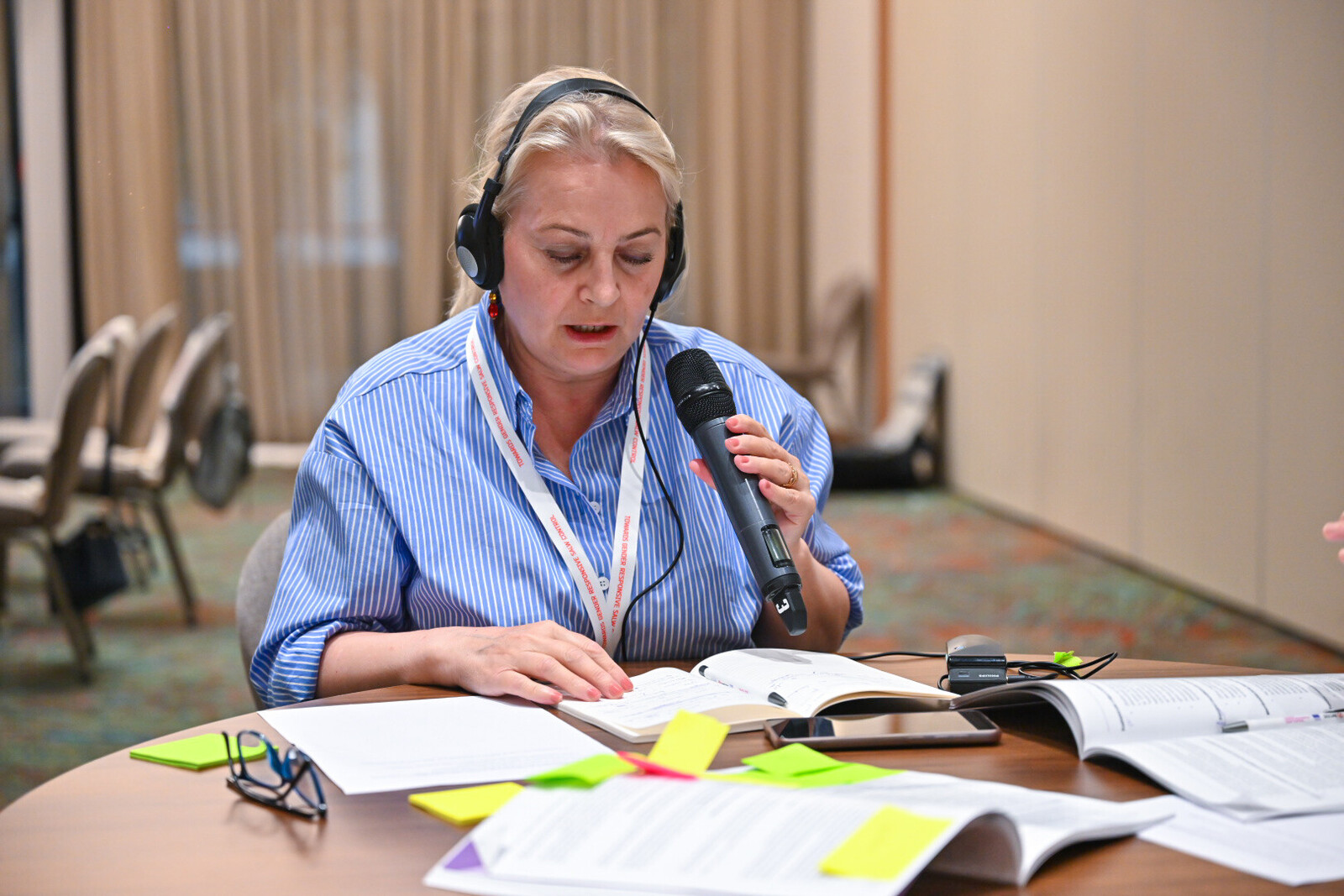
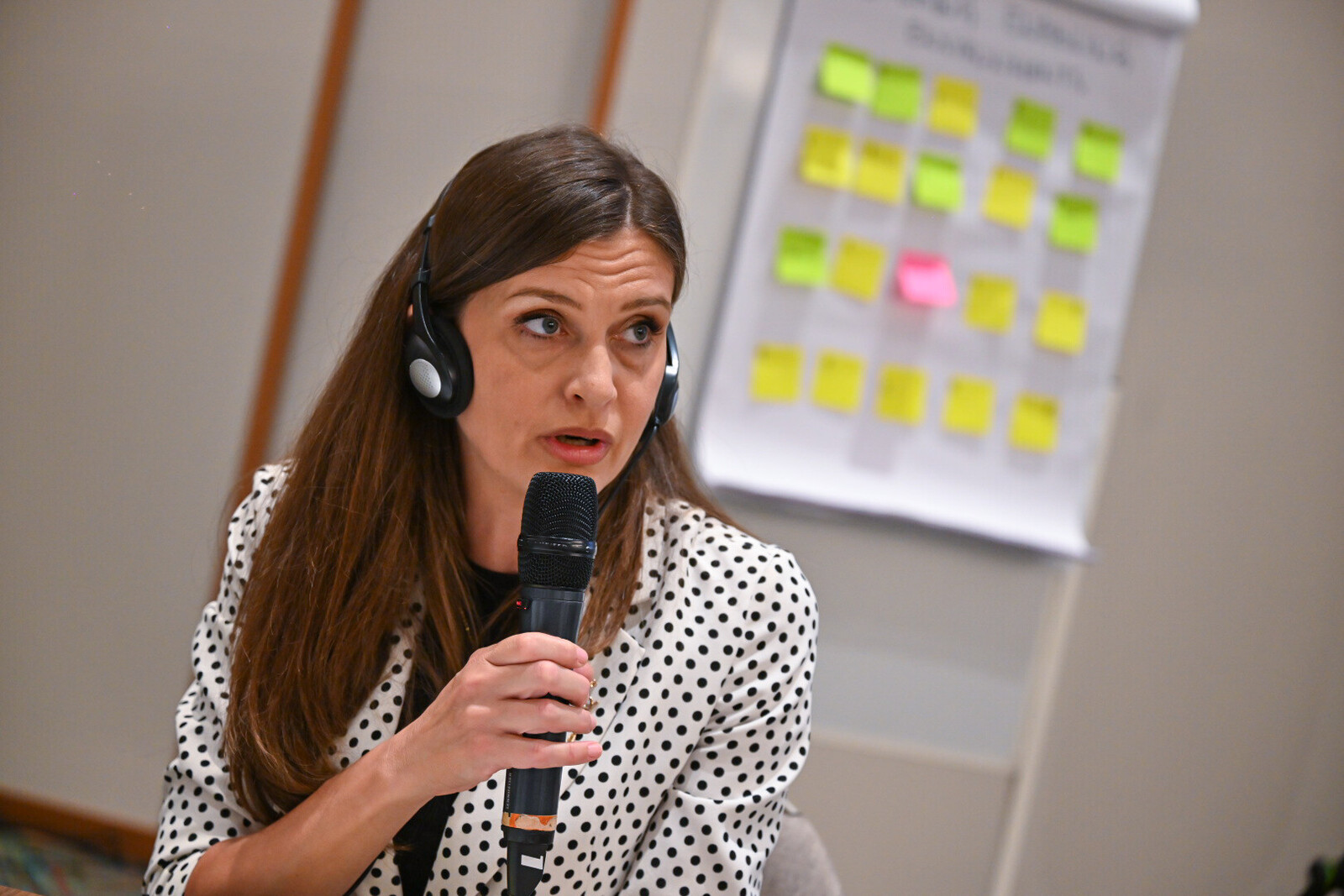
A regional workshop on Advancing Women's Participation in SALW Control: The Role of Human Resources Policies and Operational Practices was organised by SEESAC on 1 and 2 July 2026 in Skopje, North Macedonia. It brought together 13 human resources specialists from the Ministries of Interior from Western Balkan jurisdictions to discuss concrete measures to increase women's representation and effective participation in small arms and light weapons (SALW) control.
Over two days, participants discussed key gender aspects of SALW control in the region, including prevailing trends in women's representation in this field, persistent barriers to their participation, and the importance of integrating a gender perspective across institutional policies and operational practices. Discussions also addressed relevant international and regional normative and policy frameworks that support women's full, equal, meaningful and effective participation in SALW control. Following that, SEESAC presented the findings of its regional research, Women in SALW Control in the Western Balkans, which outlines current patterns of women's involvement in SALW control, identifies obstacles to gender-balanced participation, and offers evidence-based recommendations for institutions across the region.
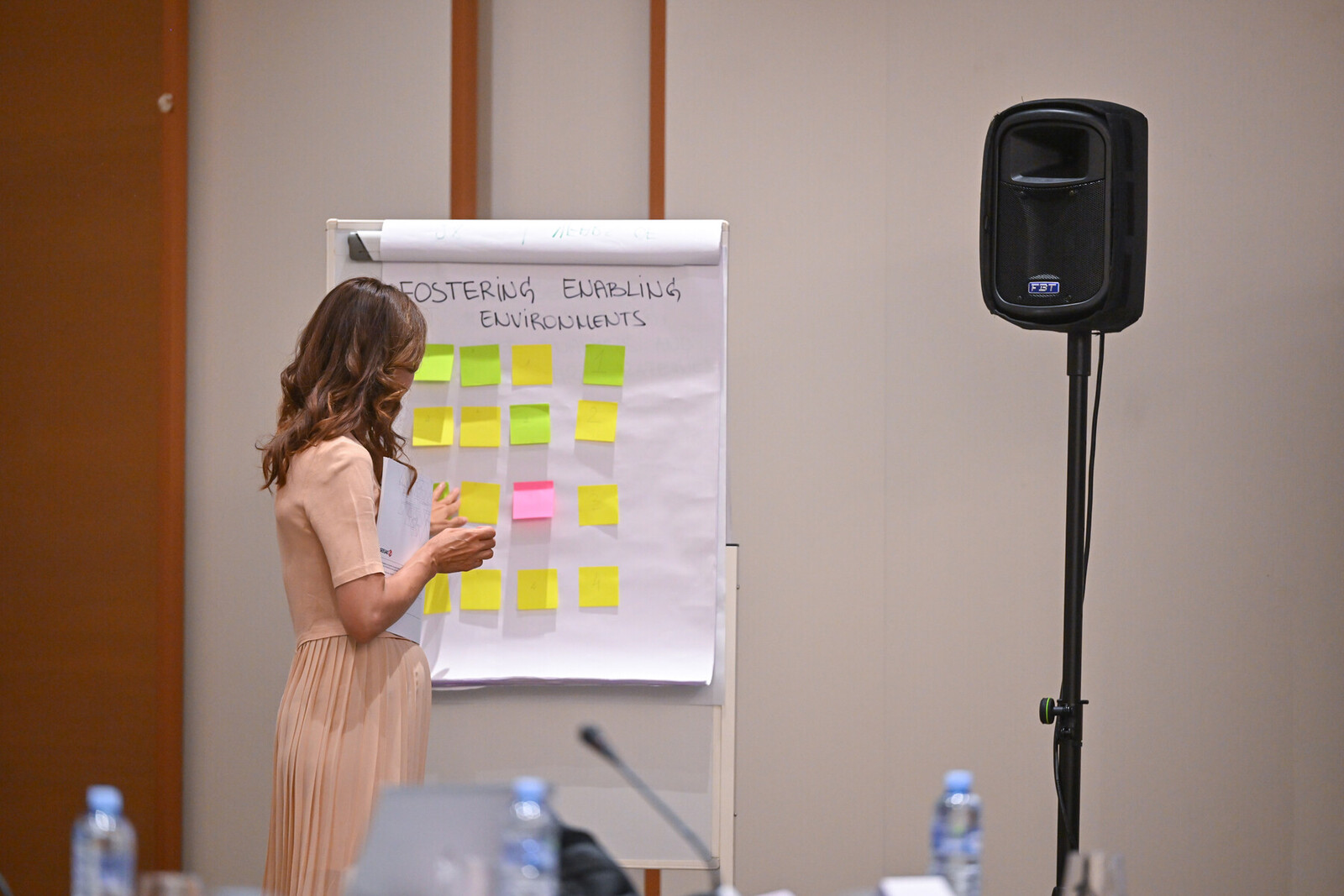
Building on these findings, the workshop provided a practical forum for participants to exchange experiences and consider how the recommendations can be translated into institutional action. Through facilitated group work, participants explored measures to foster enabling working environments, improve gender-sensitive record keeping, apply gender analysis, and strengthen awareness raising, training, capacity building and networking. The discussions further focused on strengthening women's leadership and decision-making opportunities, introducing flexible work arrangements and family-friendly policies, reinforcing gender equality and anti-discrimination mechanisms, and integrating gender considerations into monitoring, evaluation and budgeting processes.
A dedicated session on organisational culture highlighted the role of institutional values, communication practices, assumptions, beliefs, rituals and behavioural routines in either enabling or constraining organisational change. Participants reflected on how these elements can be addressed to create more inclusive workplaces and support the sustained participation of women in SALW control.
The workshop concluded with a mapping exercise through which participants identified concrete follow-up actions that could be undertaken within their respective institutions to advance women's participation in SALW control.
The workshop was made possible with the financial support of the European Union as part of the second phase of the regional project 'Support for Enhancing the Fight Against the Illegal Possession, Misuse, and Trafficking of Small Arms and Light Weapons (SALW) in the Western Balkans', funded by the European Commission, Directorate-General for Neighbourhood and Enlargement Negotiations, through the Instrument for Pre-accession Assistance (IPA II). Through this project, SEESAC is providing support to authorities in the Western Balkans to mainstream the gender perspective in the SALW control measures and, in particular, to prevent and combat the misuse of firearms in domestic violence.