
The Ministry of Defence and Armed Forces of Montenegro Launched the Handbook on the Standardization of Gender Equality Training for Military Personnel
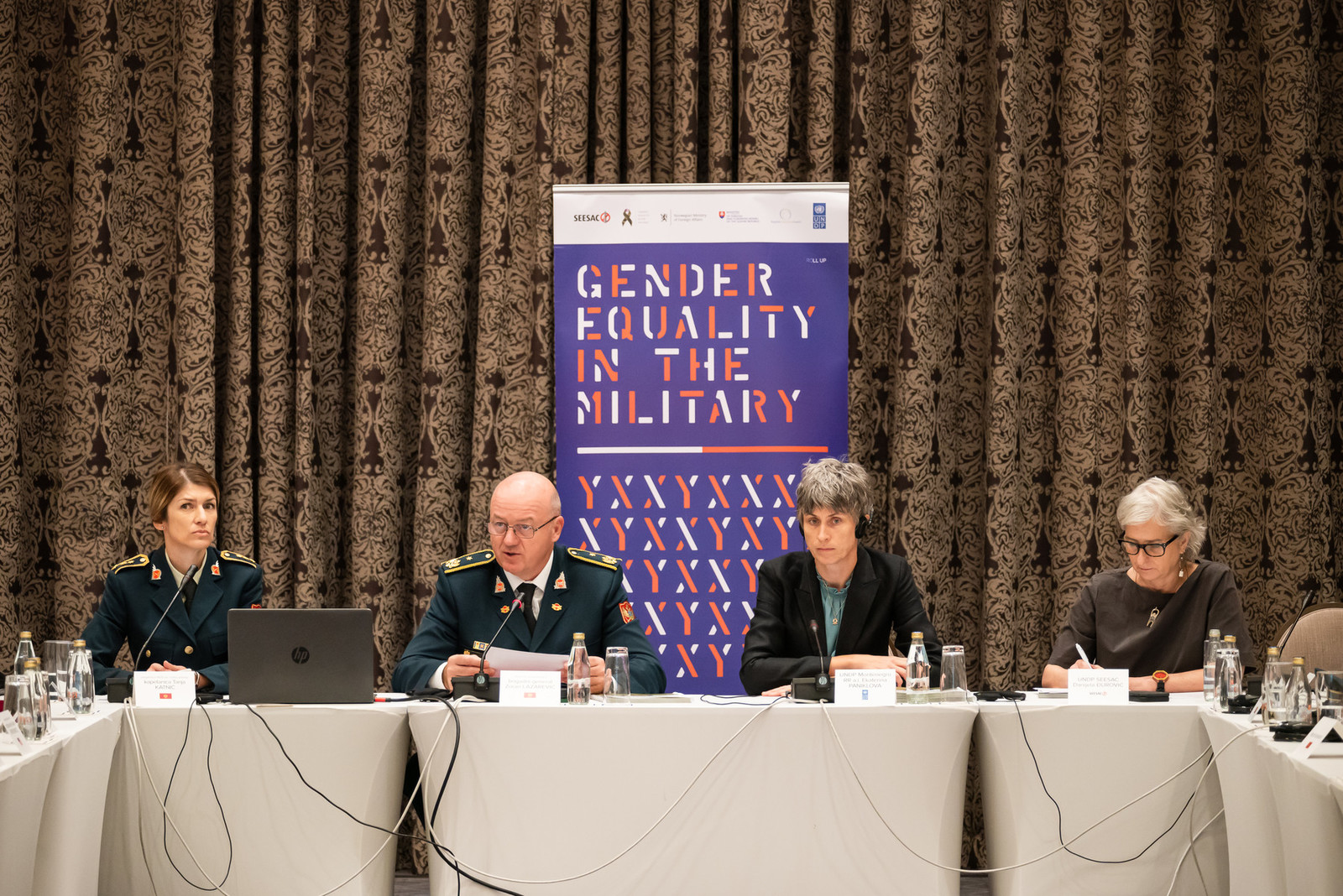


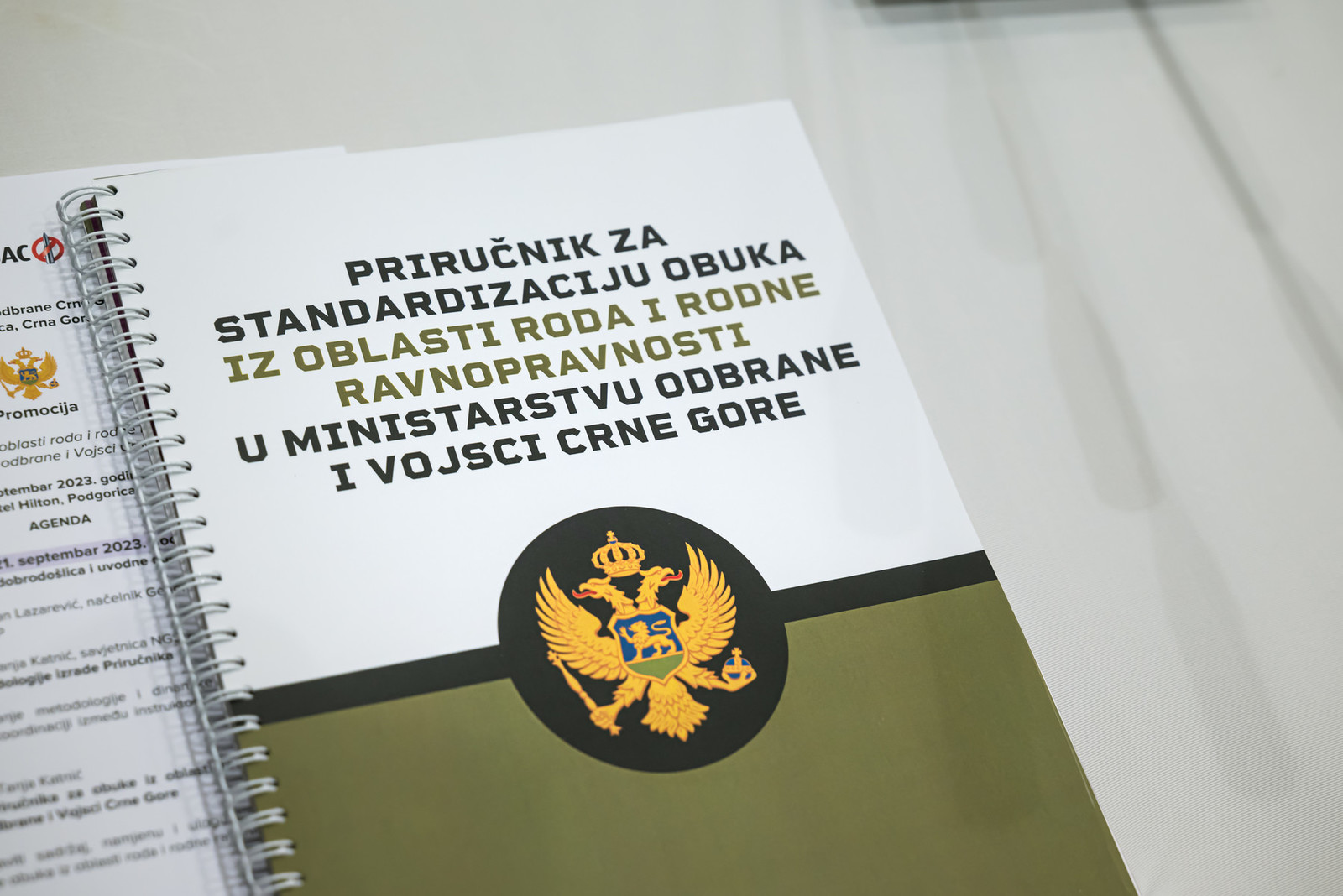



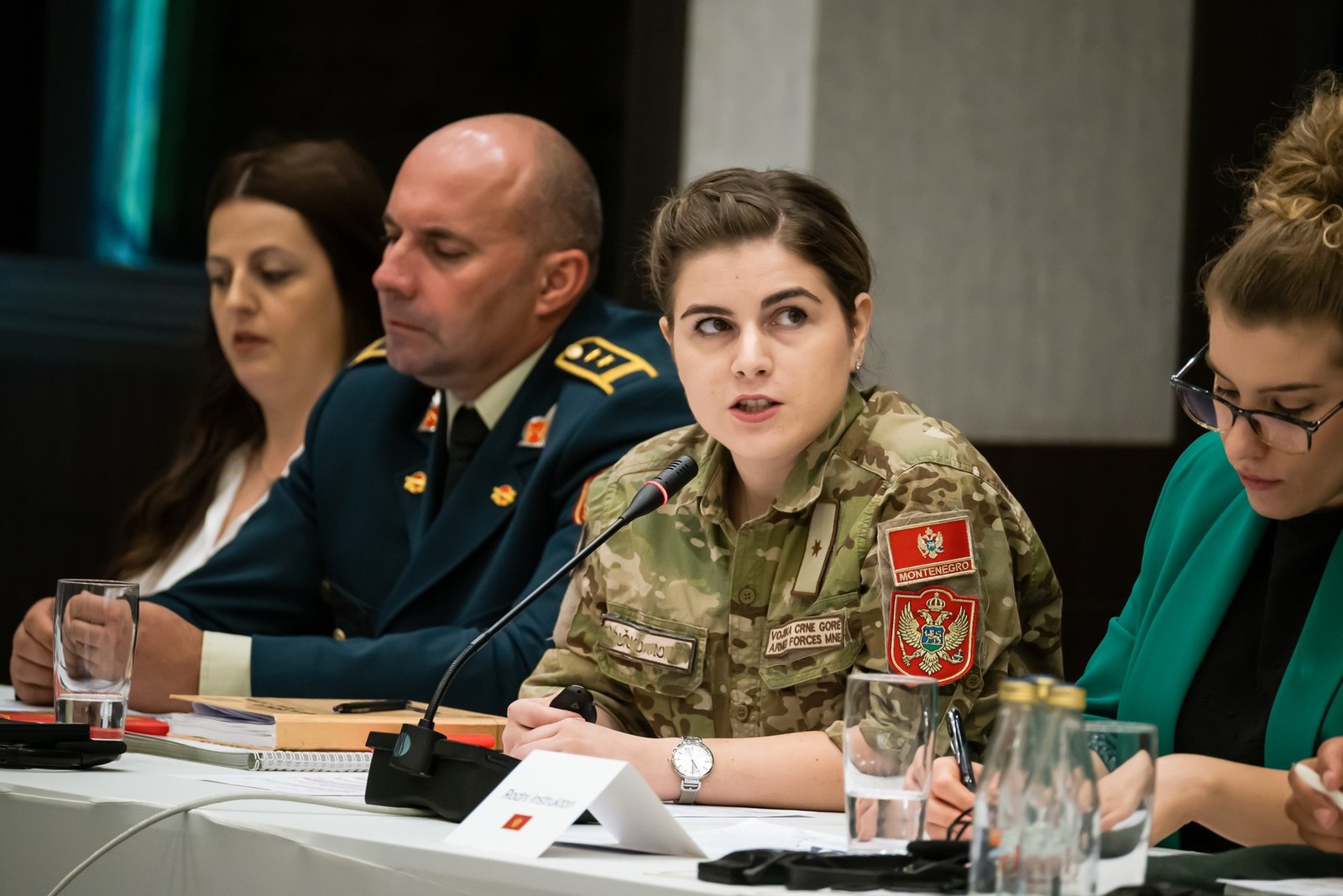
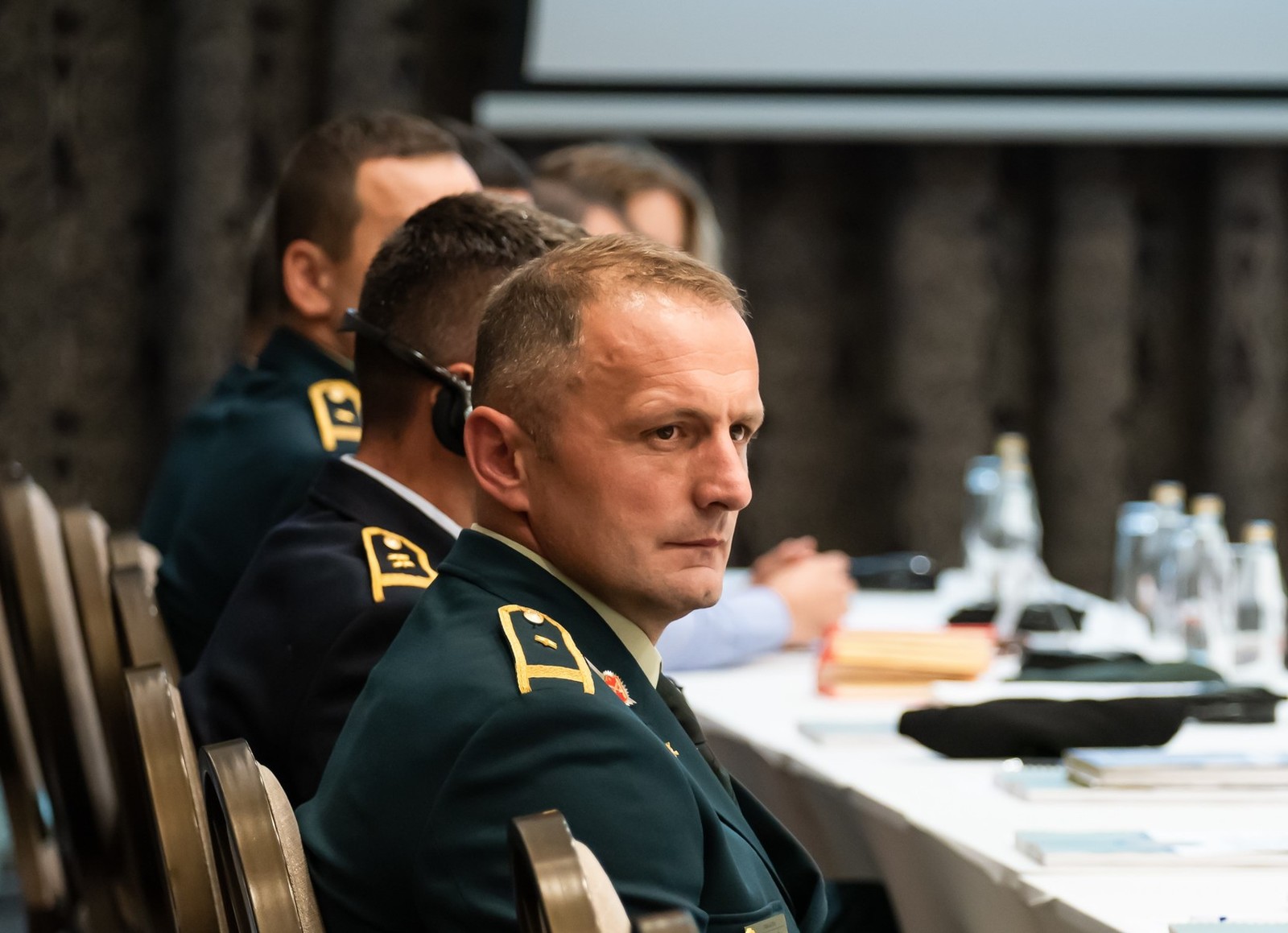
Ministry of Defence of Montenegro launched the Handbook on the Standardization of Gender Equality Training for Military Personnel on 21 September 2023 in Podgorica, with the support of UNDP SEESAC.
The Handbook was initiated and developed by the Ministry as a knowledge tool for gender trainers in the MoD and Armed Forces (AF) of Montenegro and all military personnel seeking answers on gender equality within the armed forces.
It covers a diverse range of topics essential to fostering a gender-sensitive military environment. It includes basic terms and definitions and addresses international and national legal and normative framework, the importance of integrating a gender perspective in Security Sector Reform, the roots of inequality and discrimination, with particular emphasis on gender-based discrimination and sexual harassment, and conflict-related sexual violence. These topics are presented through six thematic chapters, guiding readers consistently and directing them to relevant content, helpful tips, and practical exercises.
Brigadier General Zoran Lazarevic, Chief of General Staff of the Armed Forces of Montenegro, said at the opening that the MoD of Montenegro placed gender equality high on the agenda of its activities since 2008: “In order to achieve the desired results, gender equality training must become the core of military education modules. Based on the practices and experiences of other military systems, we must consider that the only key to success is that gender equality is not seen as an isolated issue in training, but the gender aspect must be integrated into all dimensions of already existing topics.”
He also underlined that it is very important to be familiar with topics such as discrimination, gender-based violence, sexual violence associated with armed conflicts, sexual exploitation, and abuse, which represent areas not only of national, but also of global importance: “Especially if we take into account that members of the Armed Forces continuously participate in peacekeeping missions and operations.”
Brigadier General Zoran Lazarevic thanked UNDP SEESAC, for support in the creation of this important knowledge tool.
Ms. Ekaterina Paniklova, UNDP Montenegro Resident Representative a.i. commended the MoD of Montenegro for initiating and developing the Handbook which aims to standardize gender training programs tailored for various target groups within the MoD and AFs. The overarching aim of the training is to enhance the knowledge of all personnel within the defense sector regarding gender equality. “Integrating a gender perspective in military education in line with the Sustainable Development Goals and the UNSCR 1325 is a necessary precondition for sustainable changes in the defence system which is aiming toward gender equality in line with the existing legal and the relevant international legal framework,” underlined Ms. Paniklova.
She also said that equal participation of men and women in various aspects of the armed forces plays a crucial role in exercising human rights, but also in attracting and retaining members of the underrepresented sex in the armed forces and in creating a modern institution where all employees, both men, and women, can reach their full potential.
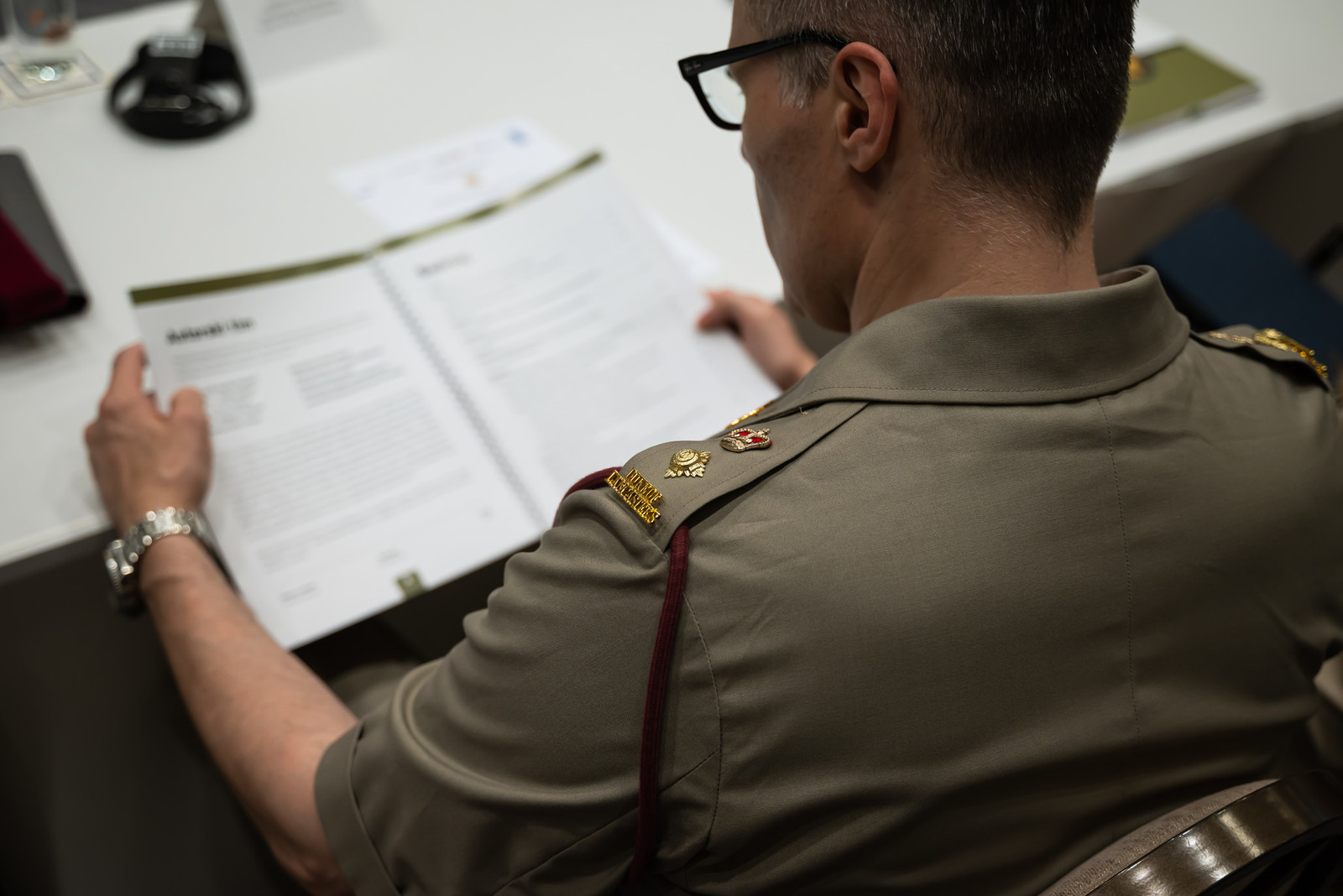
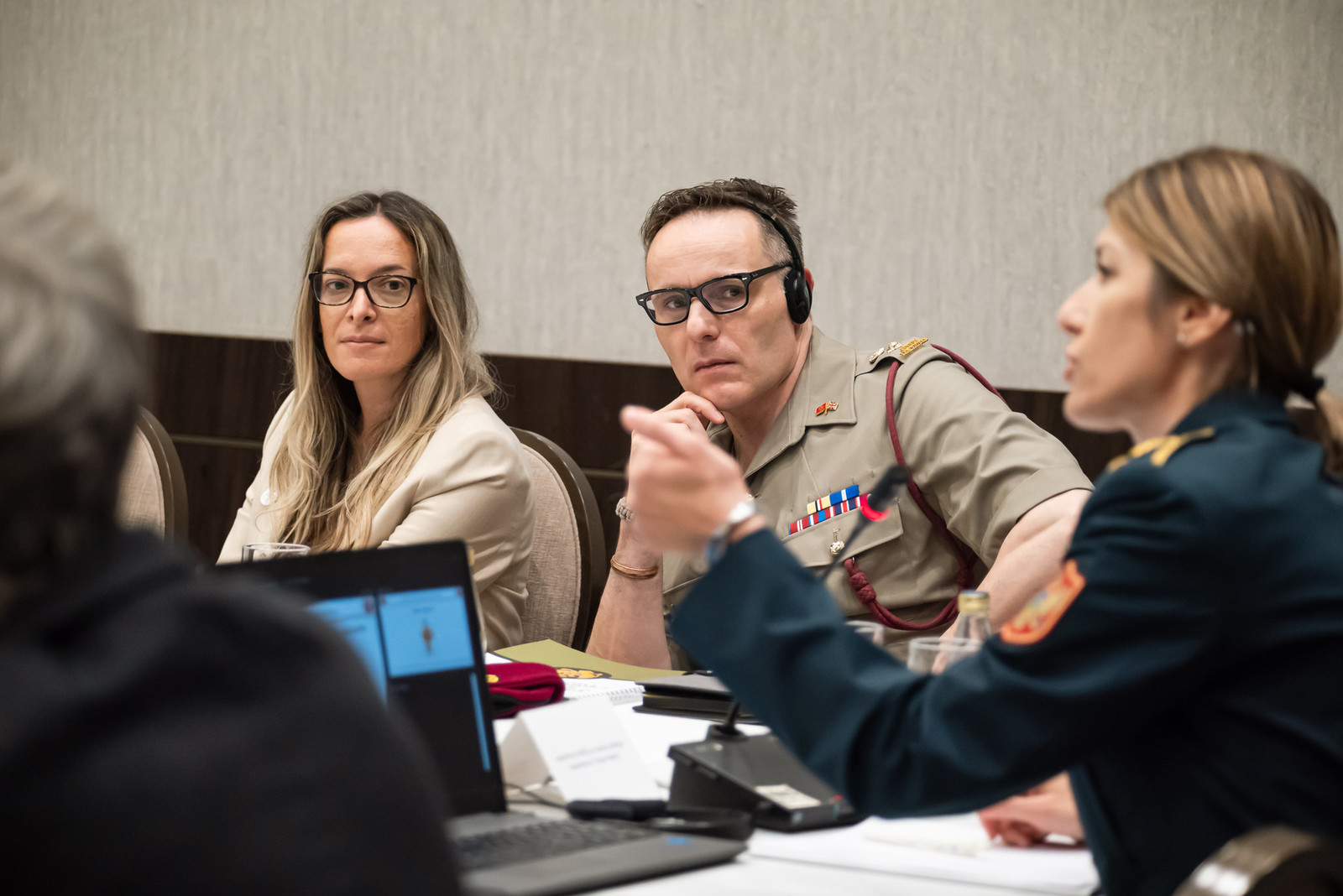
Gender Military Trainers who were instrumental in the development of the Handbook presented its content and gender training plans to the audience at the promotion event. High-ranking officials from both the MoD and the AF of Montenegro, commanding officers from various army units, members of the governmental body responsible for the National Action Plan for the implementation of UNSCR 1325, and Military Attaches from the Republic of Serbia, Slovenia, and the United Kingdom participated actively at the promotion.
Ms. Paniklova emphasized that the Handbook holds great significance, as it will contribute substantially to the promotion of gender equality within the military and recognition of the dedicated work of Gender Military Trainers. “Let me assure you that we look forward to continuing our partnership with your Ministry, aiming to support your targets and priorities”, concluded Ms. Paniklova.
This activity is implemented within the second phase of SEESAC's project financed by the Governments of Norway and the Slovak Republic Strengthening of Regional Cooperation on Gender Mainstreaming in Security Sector Reform in the Western Balkans, which provides support for mainstreaming gender in the security sector reform, in line with the UN Sustainable Development Agenda 2030 and United Nations Security Council Resolution 1325 on Women, Peace, and Security.