
Regional Roadmap Coordination Meeting: Towards Lasting Impact of SALW Control
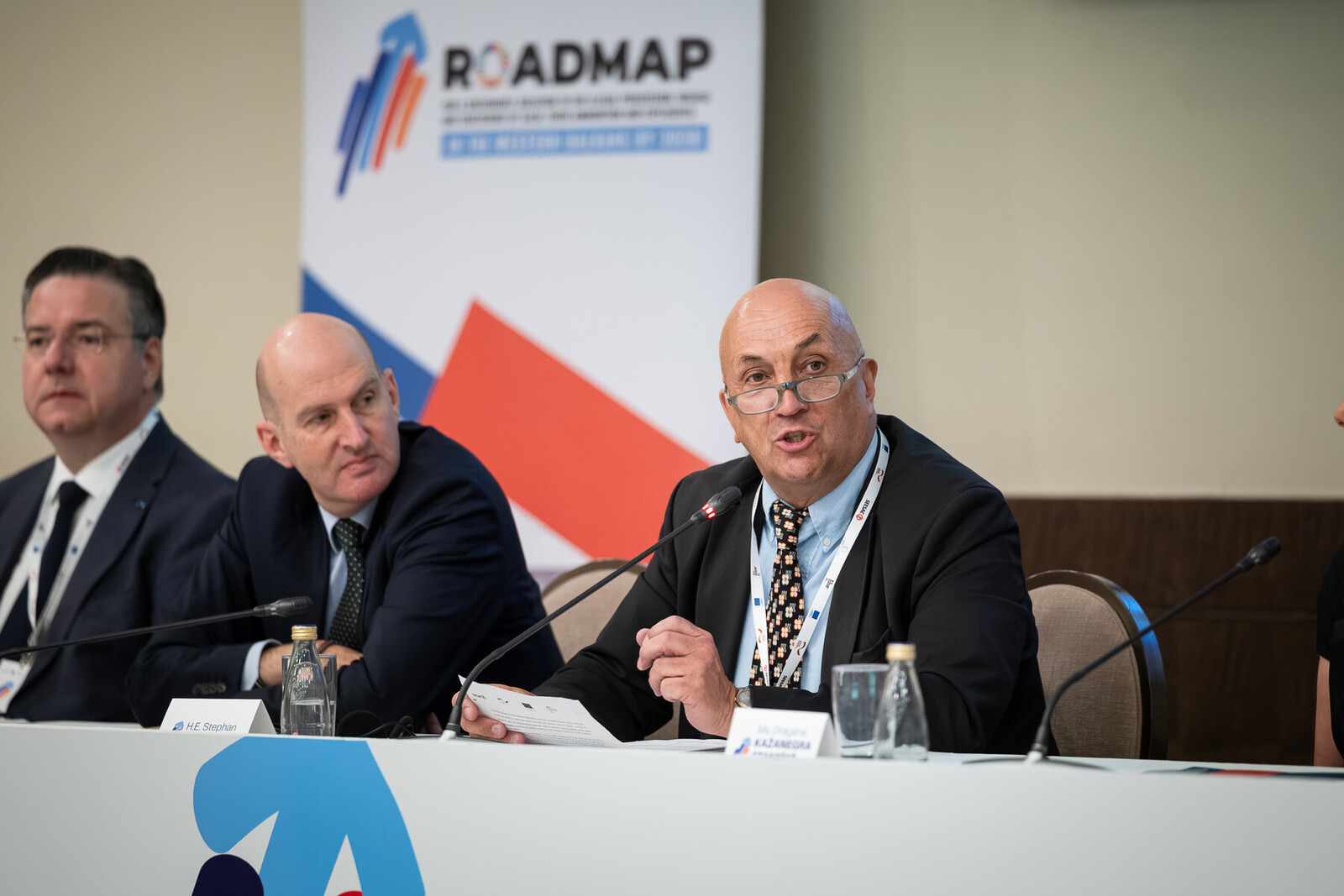
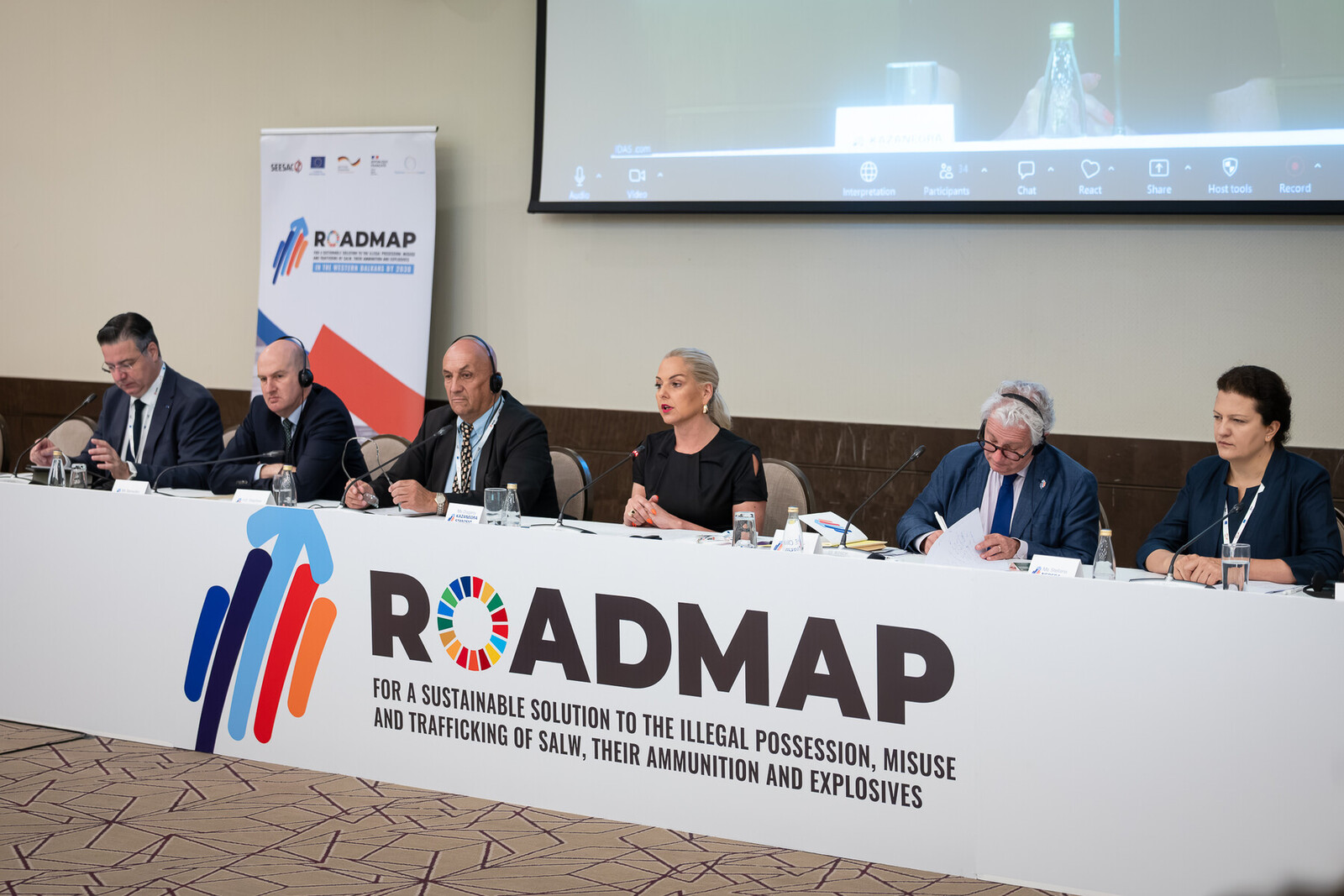
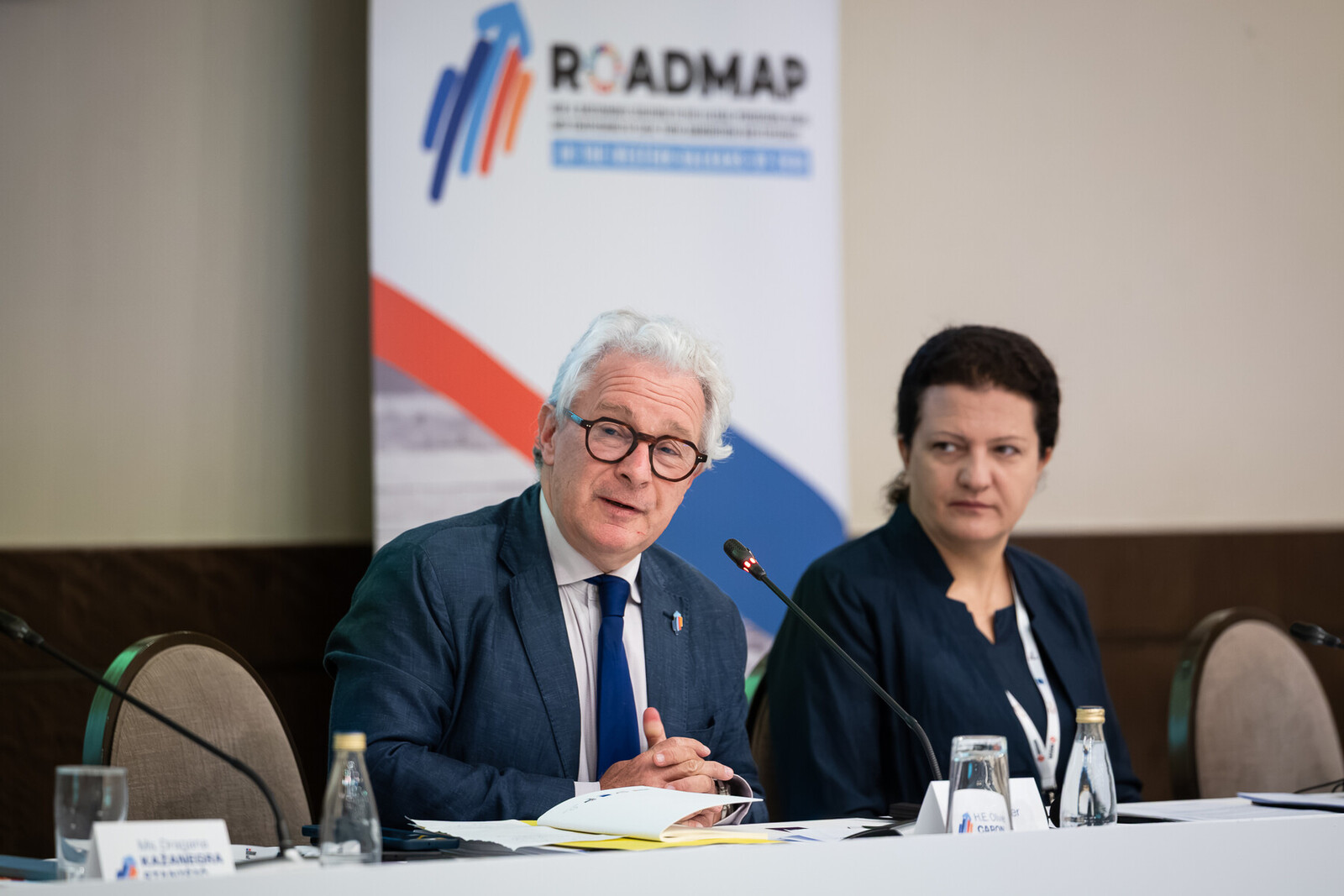
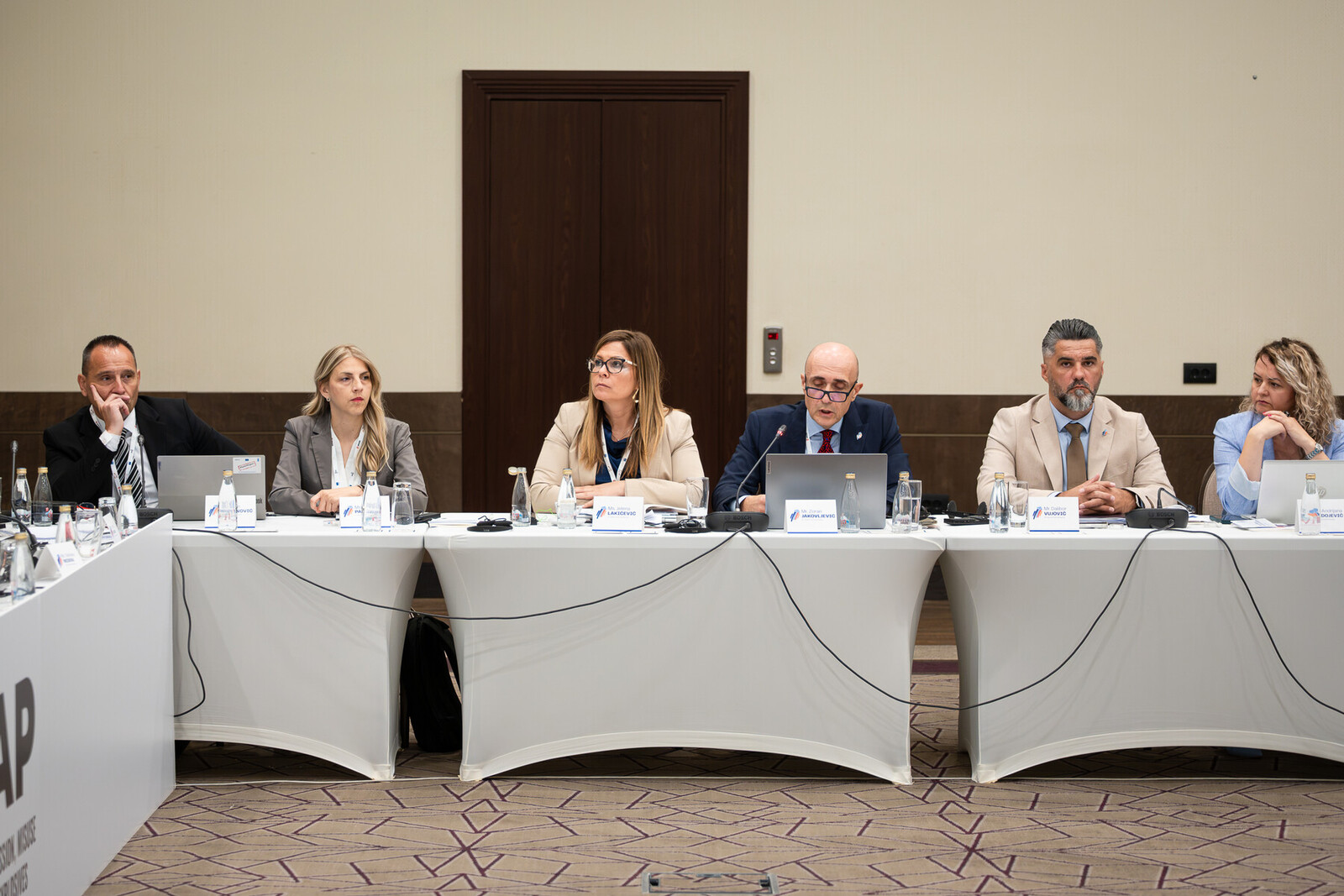
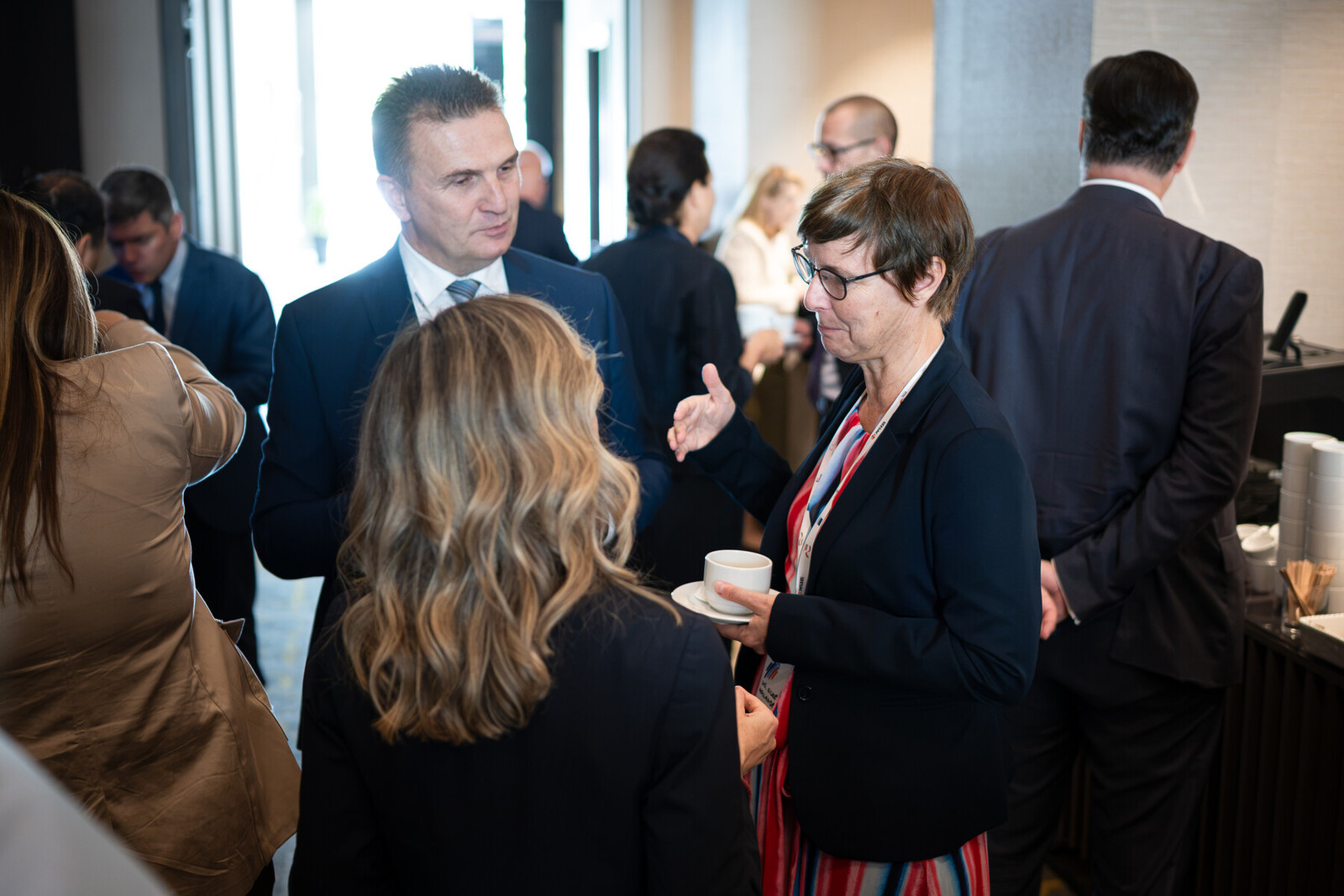
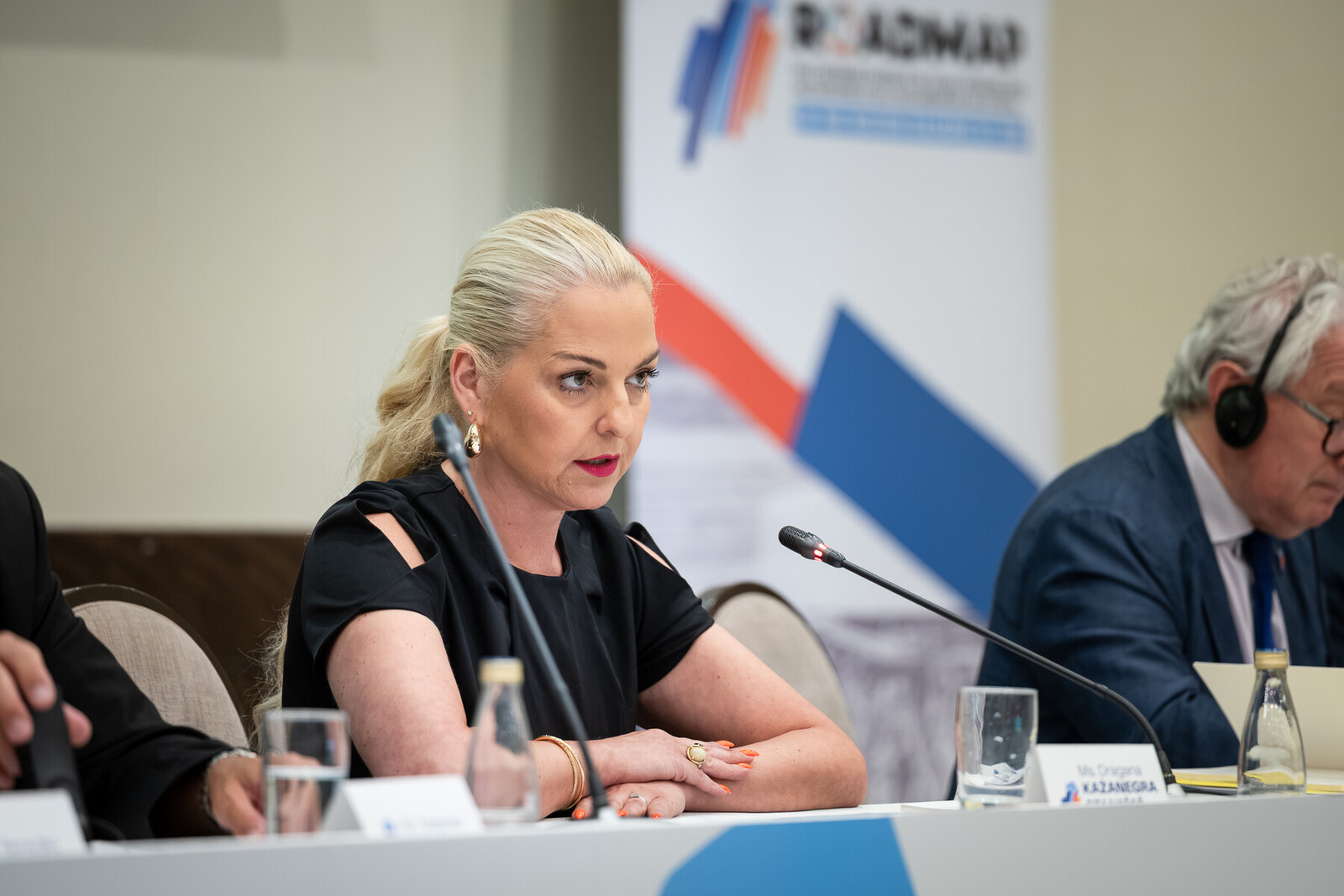
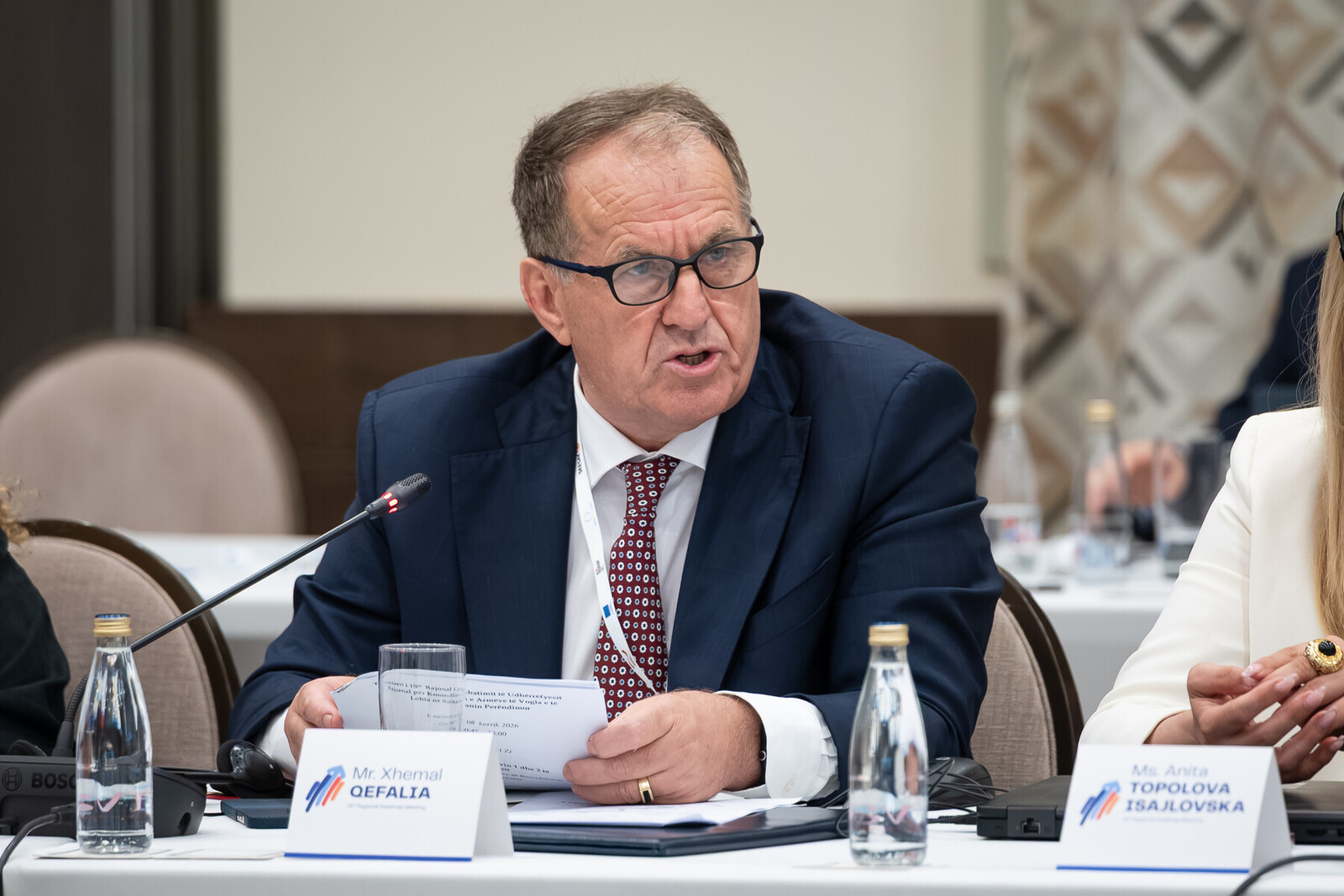
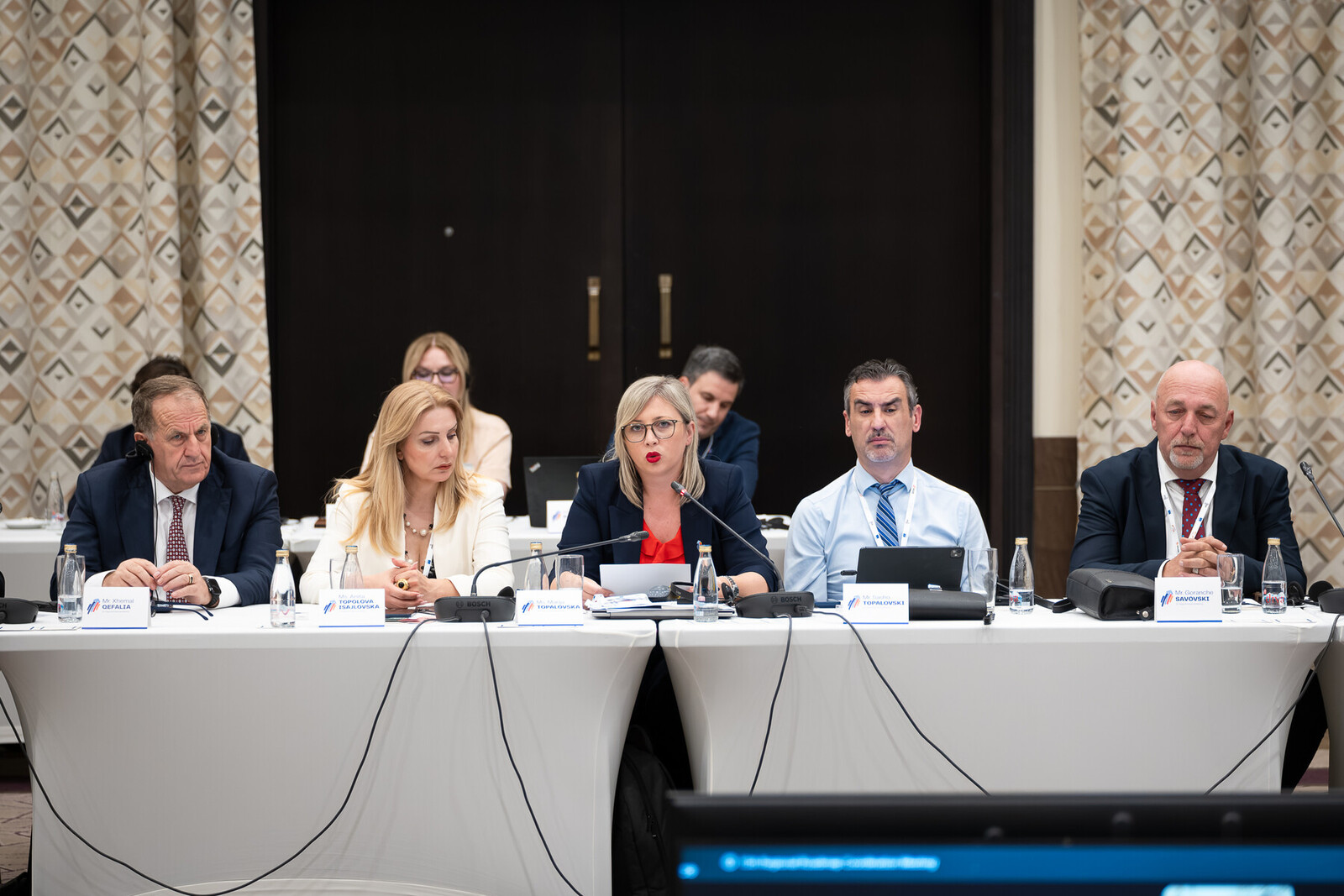
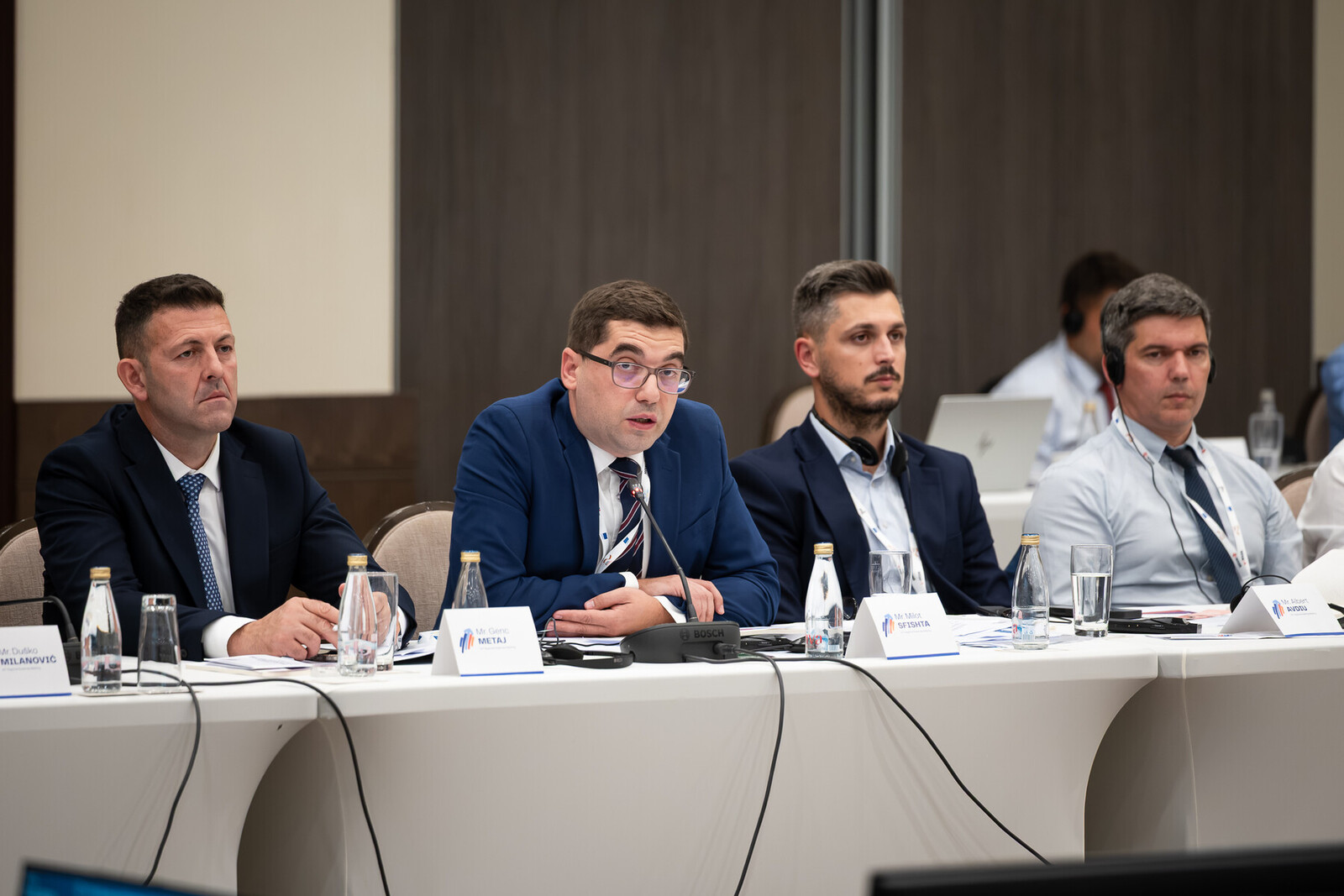
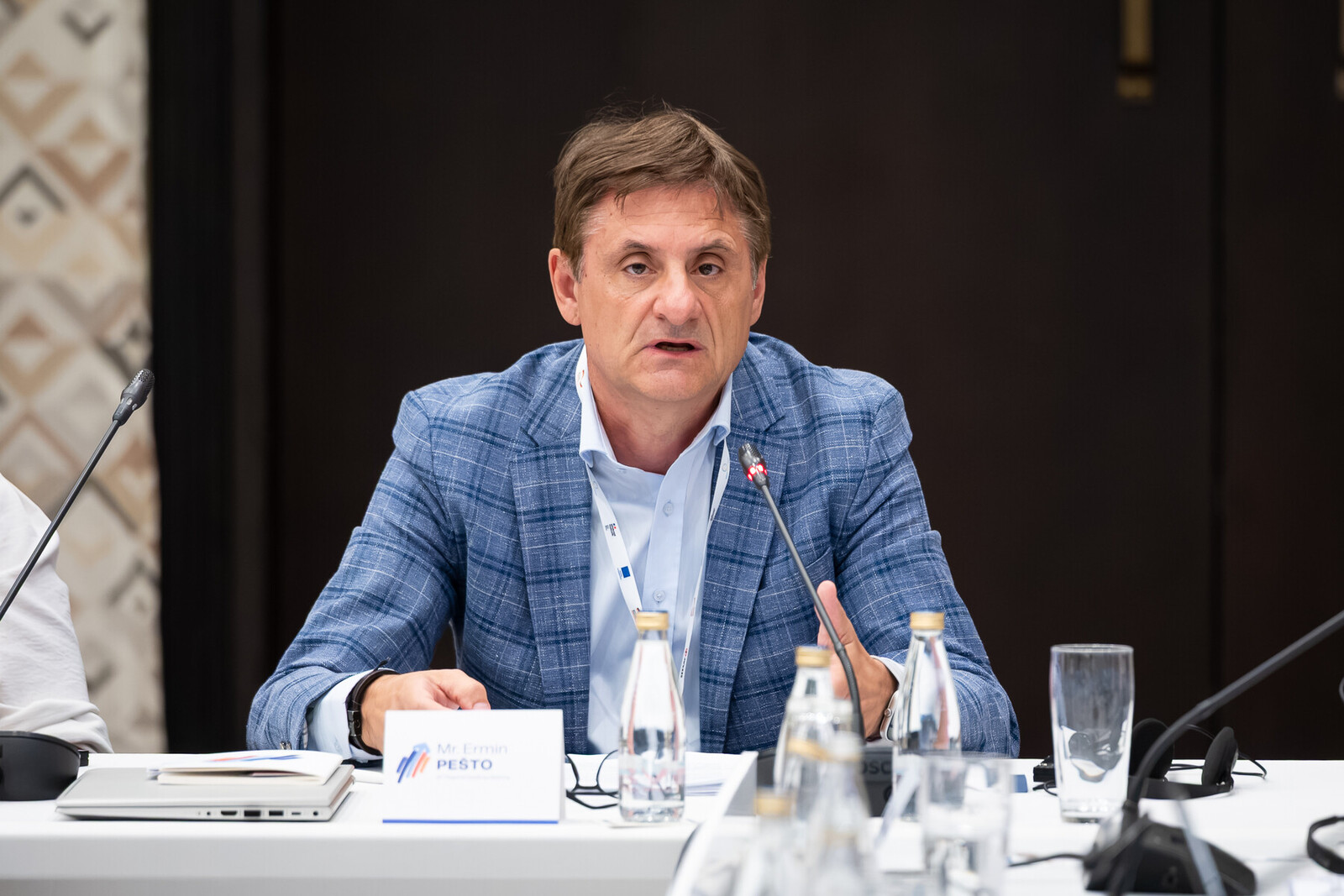
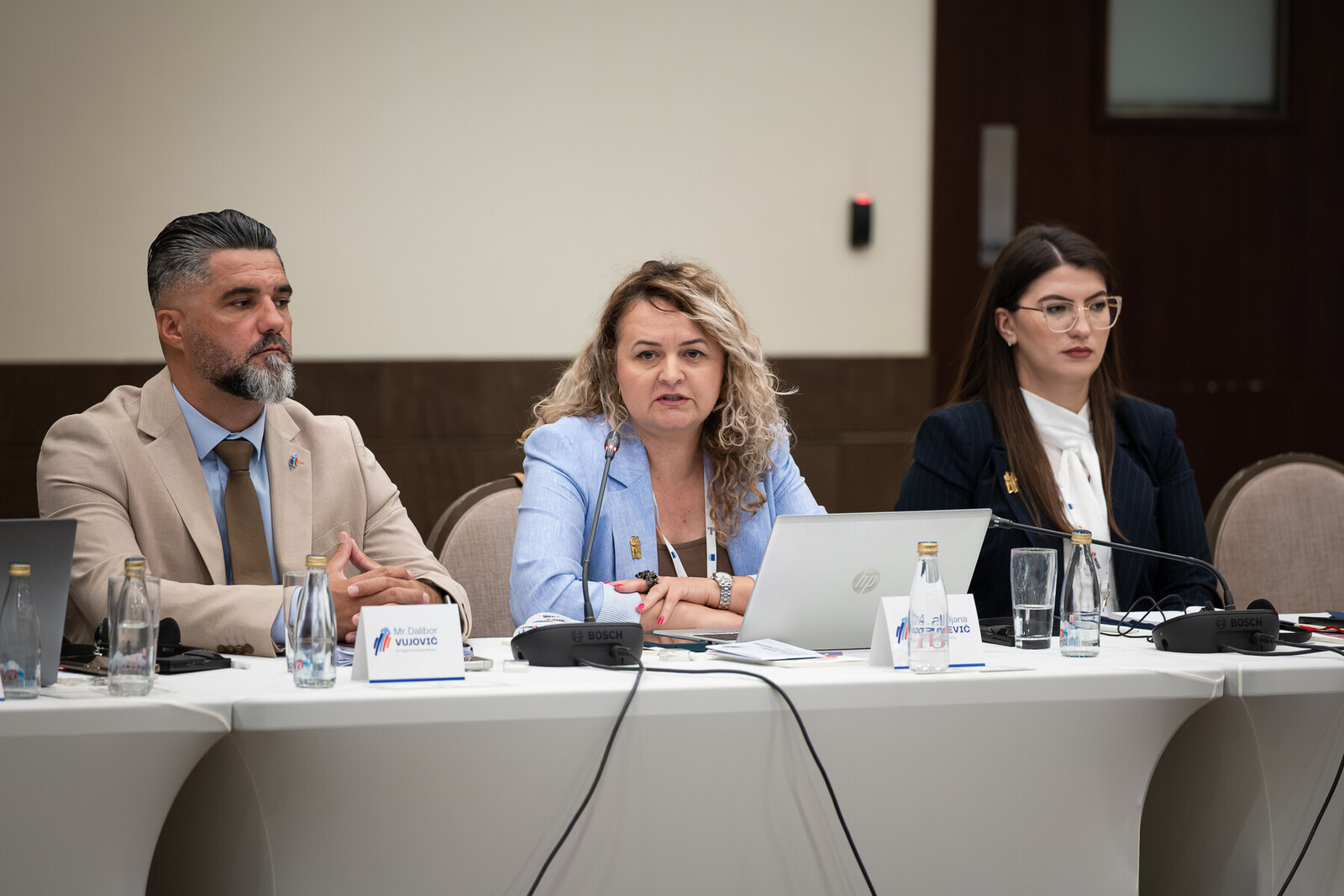
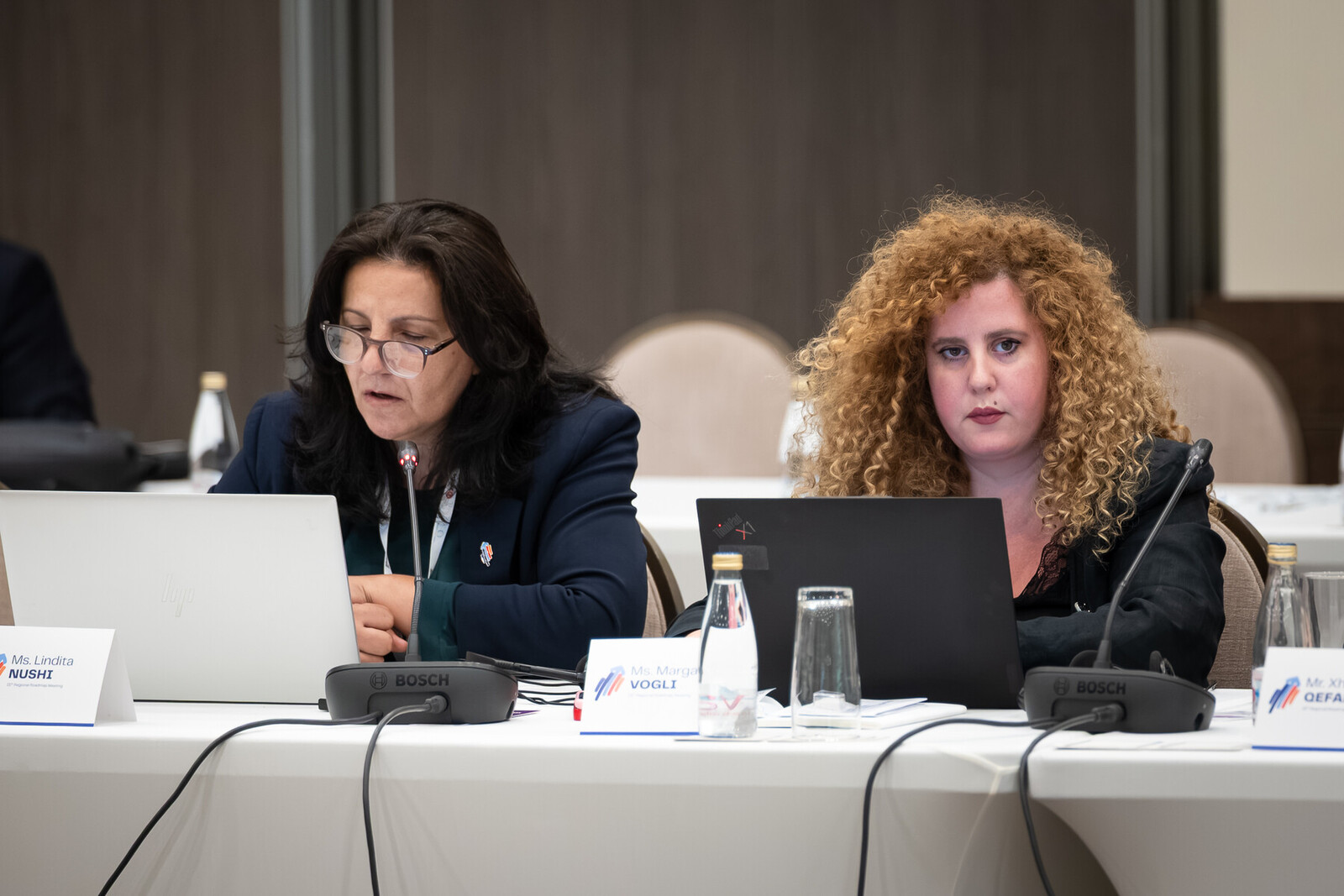
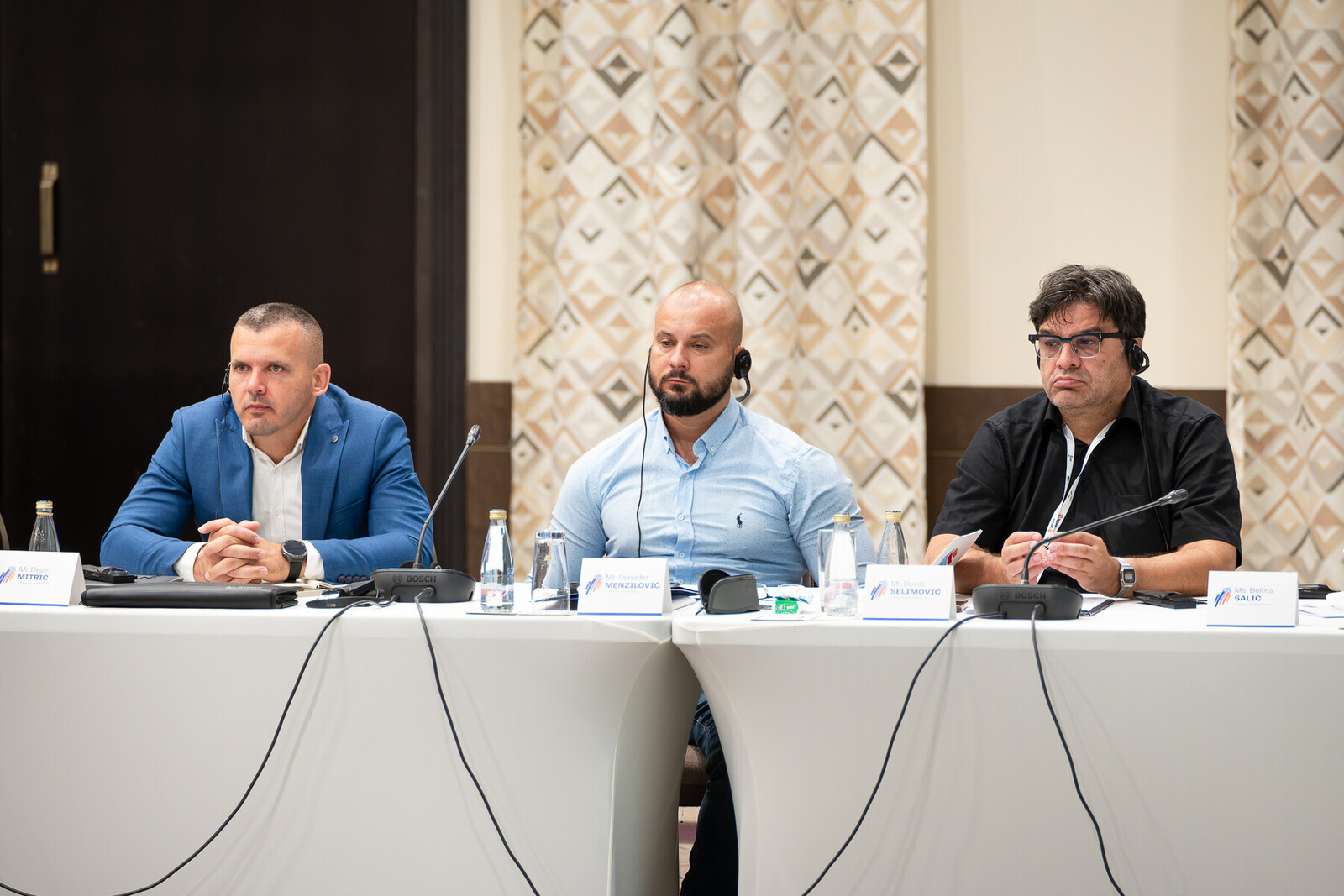
Over 100 participants gathered in Podgorica and online on 8 and 9 July for the 15th Regional Roadmap Coordination Meeting on the implementation of the Western Balkans Roadmap on SALW Control. The meeting convened representatives of the SALW Commissions and relevant institutions from the six Western Balkans jurisdictions, key donors – the European Union, Germany, France, and the Netherlands – as well as regional and international organizations working on arms control.
The jurisdictions reported on the progress they have achieved across all five Goals of the Roadmap, as set out in the Regional Narrative Report for the period July-December 2025 and the Key Performance Indicators report for January-December 2025. Key progress included:
- Legal Framework Harmonization: All jurisdictions reported progress in aligning their legislation on weapons, ammunition, and explosives with the EU Acquis. Three jurisdictions reported their respective Law on Weapons and Ammunition as adopted (Skopje) or in the adoption procedure (Belgrade and Podgorica). Three jurisdictions continue to report alignment of their respective Criminal Codes with the UN Firearms Protocol.
- Inter-institutional mechanisms: SALW Commissions remained actively engaged in the planning, coordinating, and monitoring of activities under the Roadmap and their respective SALW Control Strategies.
- Strategic Frameworks: In 2025, SALW control strategies were under implementation in Belgrade, Podgorica, Pristina, Sarajevo, and Tirana. New strategies were reported in their final phase of development by Skopje and Podgorica.
- Ballistic and Forensic Capacities: Belgrade, Podgorica, Pristina, Skopje, and the Federal Ministry of Interior in BiH reported their ballistic laboratories as accredited in several methods. Most jurisdictions reported improvements in their respective ballistic and forensic capacities through specialized equipment, training, and infrastructural and technological upgrades.
- The existing Firearms Focal Points (FFPs) in five jurisdictions (Belgrade, Podgorica, Pristina, Skopje, and Tirana) continued to strengthen their technical and operational capacities. The process of establishing an FFP/FFPs in Bosnia and Herzegovina remains ongoing.
- Awareness Raising, Outreach, and Education: All jurisdictions reported relevant activities based on jurisdiction-specific challenges and priorities, including celebratory shootings, the misuse of pyrotechnics, the safe storage of firearms, voluntary surrender, and legalization. Most jurisdictions also reported activities to address firearm-related gender-based and domestic violence. Awareness raising among licensed and legal entities and WAE producers remains limited to inspections and routine monitoring.
- Reduction of Firearms in Civilian Possession: Over 19,000 weapons and 140,000 rounds of ammunition surrendered across the region in 2025. All jurisdictions reported ongoing efforts toward operationalizing and institutionalizing the process of deactivation, with three of them (Belgrade, Podgorica, and Sarajevo) reporting the deactivation of 947 weapons in 2025.
- Destruction or disposal of 10,554 weapons, 261,816 rounds of ammunition, 84 pieces and 29 kg of explosives, alongside 77.34 tonnes of surplus ammunition and explosives across was reported in three jurisdictions (Pristina, Sarajevo, and Skopje).
Dedicated thematic sessions generated insightful discussions on ensuring the sustainability of activities implemented under the Roadmap. The discussions included updates on the European Union legal framework on weapons, ammunition, and pyrotechnics, advancing firearms deactivation, and ways to ensure the lasting impact of SALW control by prioritizing human resources, working procedures, and technological assets.
In his opening remarks, H.E. Stephan Klement, EU Special Envoy for Disarmament and Non-Proliferation, emphasized the Roadmap’s tangible impact that started with commitment and cooperation, translated into progress, and ultimately strengthened security for people in their communities, homes, and daily lives. The Special Envoy mentioned the Roadmap as a framework for action that strengthens security and advances the EU enlargement process – describing the two as complementary.
Other high-level representatives also addressed the participants, highlighting the Roadmap’s positive results and its model, adapted across different regions in the world:
- Ms. Dragana Kažanegra Stanišić, State Secretary of the Ministry of Interior of Montenegro, set the scene by highlighting the joint work and commitment across the region as imperative for a sustainable solution to common security challenges.
- H.E. Olivier Caron, Special Envoy for Counterterrorism and the Fight against Organized Crime, France, viewed the meeting as an important opportunity to reflect on achievements, challenges, and how best to use the available resources to achieve additional results. He emphasized the transnational nature of SALW control and the importance of joint efforts and shared responsibility in addressing the security challenges related to firearms and organized crime.
- Dr. Benedikt Zanker, Head of Division, Conventional Arms Control, Federal Foreign Office, Germany, commended the efforts by the key institutions in the implementation of the Roadmap, noting that the impact of their work extends beyond their respective jurisdictions and contributes to safety and security across the region and Europe more broadly.
- Ms. Steliana Nedera, Manager, UNDP’s Istanbul Regional Hub, emphasized the achievement of the Roadmap in fostering regional trust and cooperation in SALW control. Ms. Nedera highlighted the persistent impact of firearms in the context of domestic violence, as recorded through SEESAC's Armed Violence Monitoring Platform, as well the need to prioritize prevention and gender-responsive measures.
- Mr. Pavle Janković, Head of the Political Department, Regional Cooperation Council, referred to SALW control as a shared regional and human security priority. Among other, Mr. Janković shared data from RCC’s 2025 Securimeter on citizens’ perception of security, in which almost half of citizens consider their own jurisdiction a secure place to live, but only 38 per cent say the same for the region as a whole.
During the meeting, the key donors (the European Union, Germany, and France) reaffirmed their support for the implementation of the Roadmap.
In advance of the meeting, the following reports and knowledge products were disseminated to meeting participants:
- Regional Narrative Report on the Implementation of the Roadmap
- Key Performance Indicators Report 1 January – 31 December 2025
- Key Performance Indicator 5 Report 1 January – 31 December 2025
- Contribution by Regional and International Organizations
- 2025 Results Overview by Roadmap Goal and Overall Targets
- Sustainability Review of Results reported by International and Regional Organizations in 2025
- Knowledge Products within the Roadmap Framework in 2025
- WB SALW Control Roadmap leaflet 2018-2025
The Regional Roadmap Coordination Meetings are organized with the financial support of the European Union, through its Council Decision (CFSP) 2025/2587 in support of SEESAC for the implementation of the Regional Roadmap on combating illicit arms trafficking in the Western Balkans and in support of disarmament and arms control activities in South-East and East Europe.