
Officials Enhance Knowledge on Explosive Testing and International Standards in Budapest
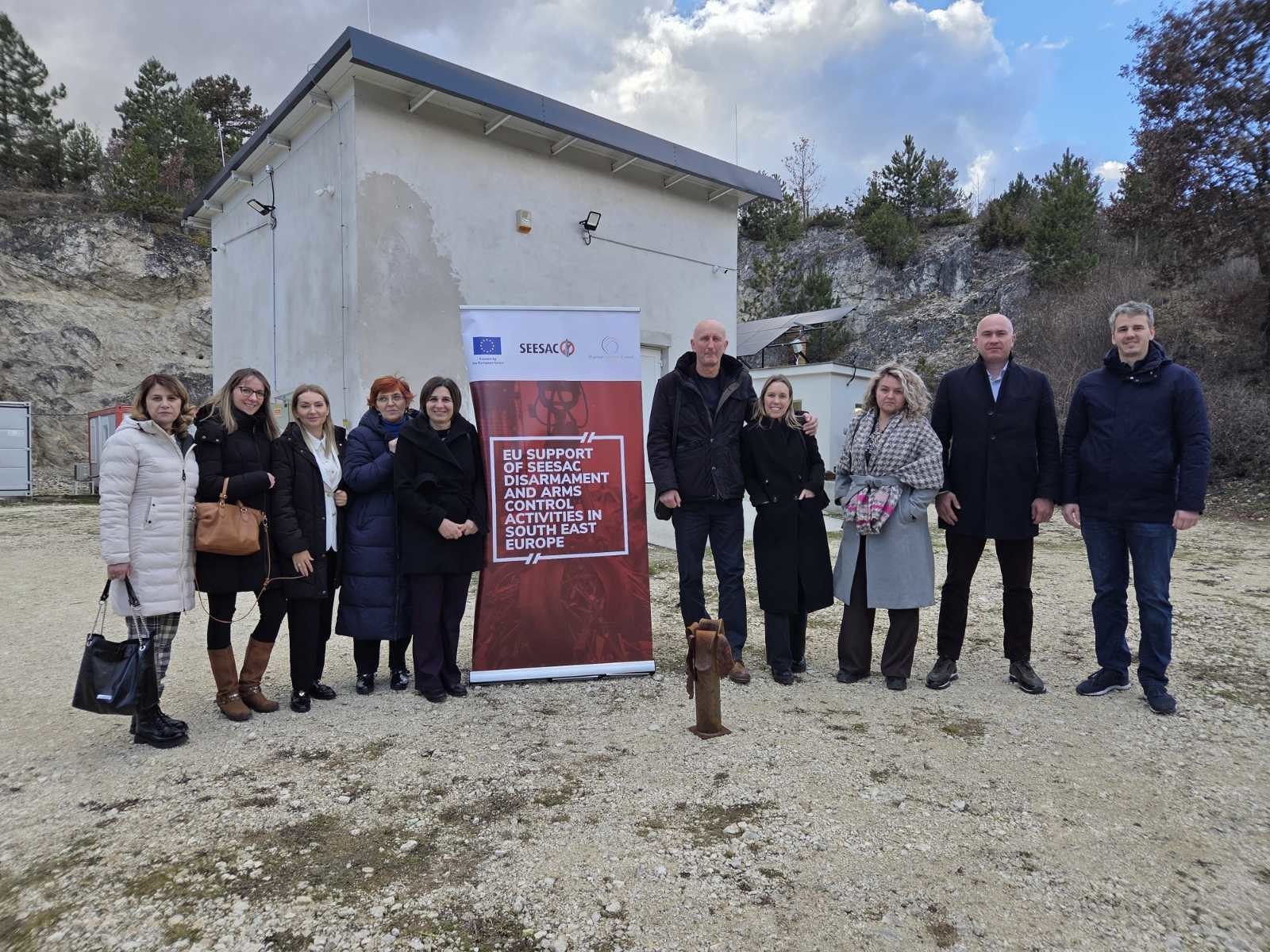
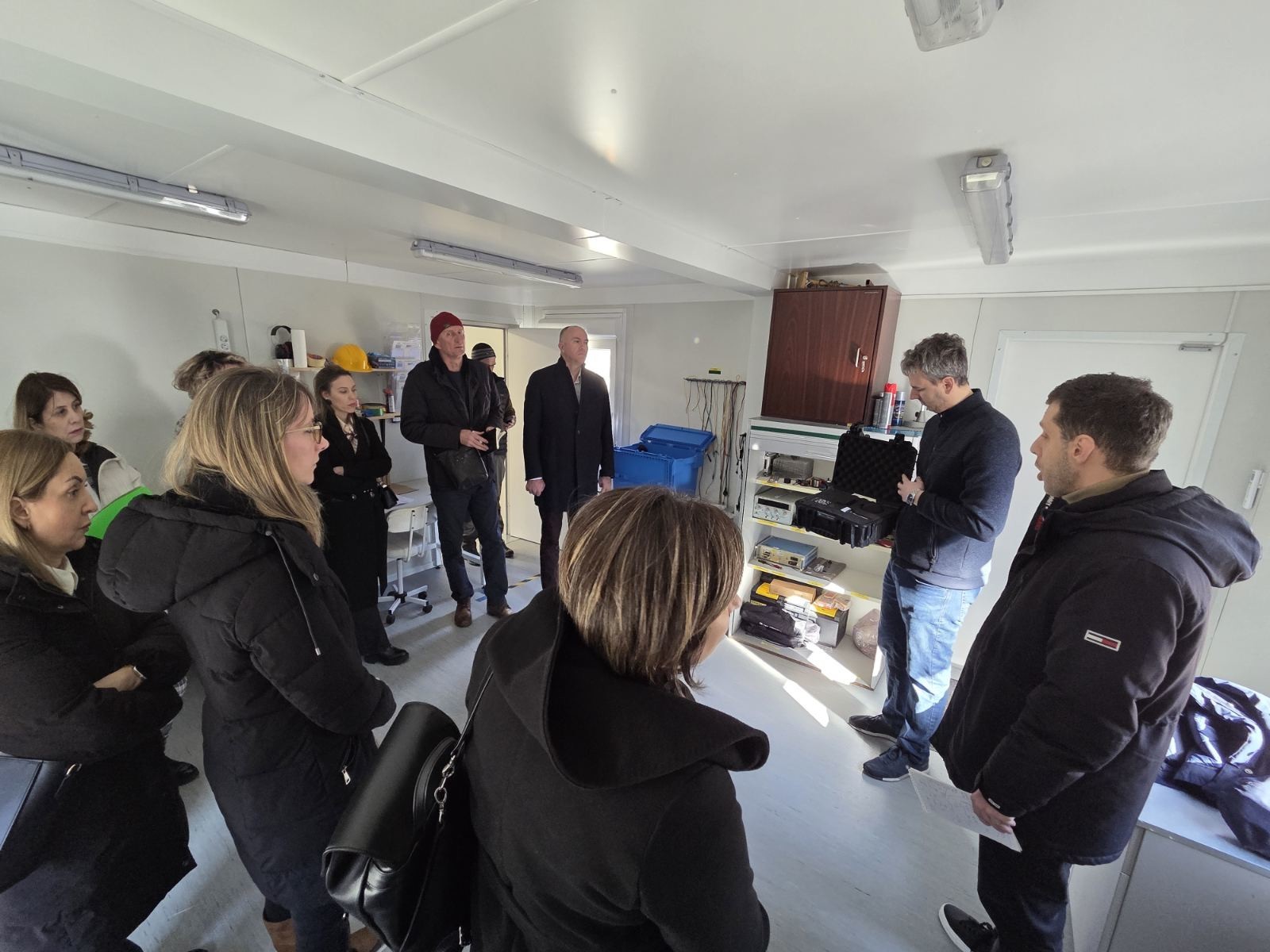
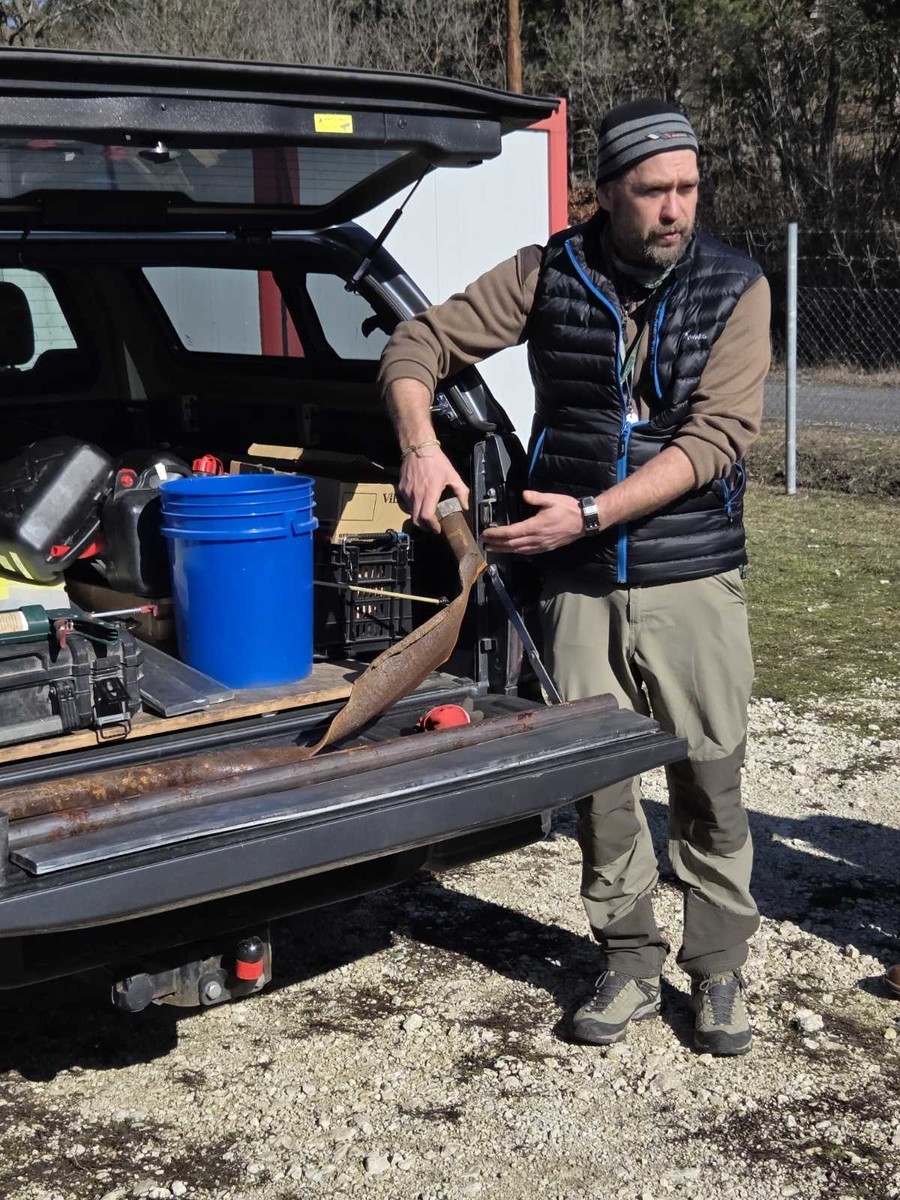
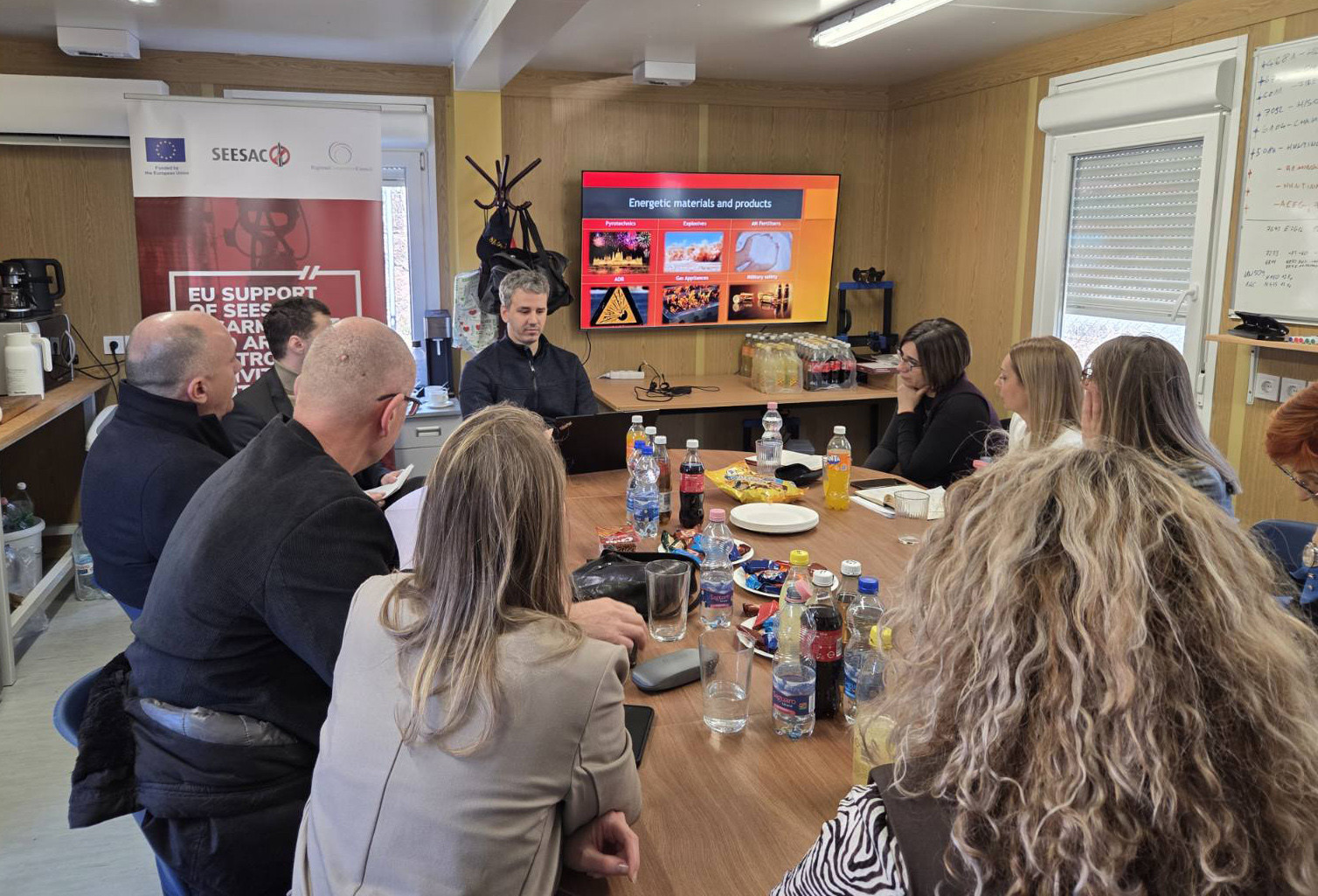
On 24 February, a study visit to an Accredited Laboratory for Explosive Examination in Budapest provided representatives from Ministries of Interior from Podgorica and Belgrade with practical insight into certified explosive testing procedures and international safety standards.
Data from SEESAC’s Armed Violence Monitoring Platform show that from 2020 to 2025, a total of 2,253 incidents involving explosive devices were reported in South East Europe, with annual figures fluctuating and peaking at 410 cases in 2024, before declining to 377 in 2025.
Altogether, these incidents resulted in 29 fatalities, 147 injuries, 46 threats, and 34 suicides, underscoring the continued risks associated with the misuse and unsafe handling of explosive materials.
In this context, strengthening capacities for the safe handling, testing, and regulation of explosive materials remains a key priority. The study visit in Budapest directly addressed these needs by providing participants with hands-on insight into internationally recognised testing procedures and safety standards.
During the visit, experts from the laboratory presented different testing modules and demonstrated product testing procedures carried out to assess compliance with international requirements, while laboratory specialists demonstrated testing methodologies, certification processes, and different laboratory practices.
The program also included an insight into the industry, offering practical perspectives on the management and handling of explosive materials. During the visit, experts presented the types of products and shared information on storage procedures, inspection processes, quality management systems, and internal compliance standards.
Through direct exposure to industry practices and laboratory testing procedures, the study visit provided valuable insight into international standards, quality assurance systems, and the broader safety framework governing explosive materials.
The activity contributed to strengthening professional knowledge, enhancing technical expertise, and promoting regional cooperation among professionals working in the field of explosive safety and regulation.
The study visit was made possible through financial support of the European Union as part of the second phase of the regional project „Support for Enhancing the Fight Against the Illegal Possession, Misuse, and Trafficking of Small Arms and Light Weapons (SALW) in the Western Balkans” project funded by the European Commission’s Directorate-General for Neighbourhood and Enlargement Negotiations, through the Instrument for Pre-accession Assistance (IPA II).