
North Macedonian Authorities Strengthen Public Speaking and Social Media Skills in Skopje
Whether speaking to journalists during a crisis or communicating directly to citizens through social media, institutions need the skills to deliver accurate, compelling, and easy to understand messages for distinct target groups, across different formats and channels.
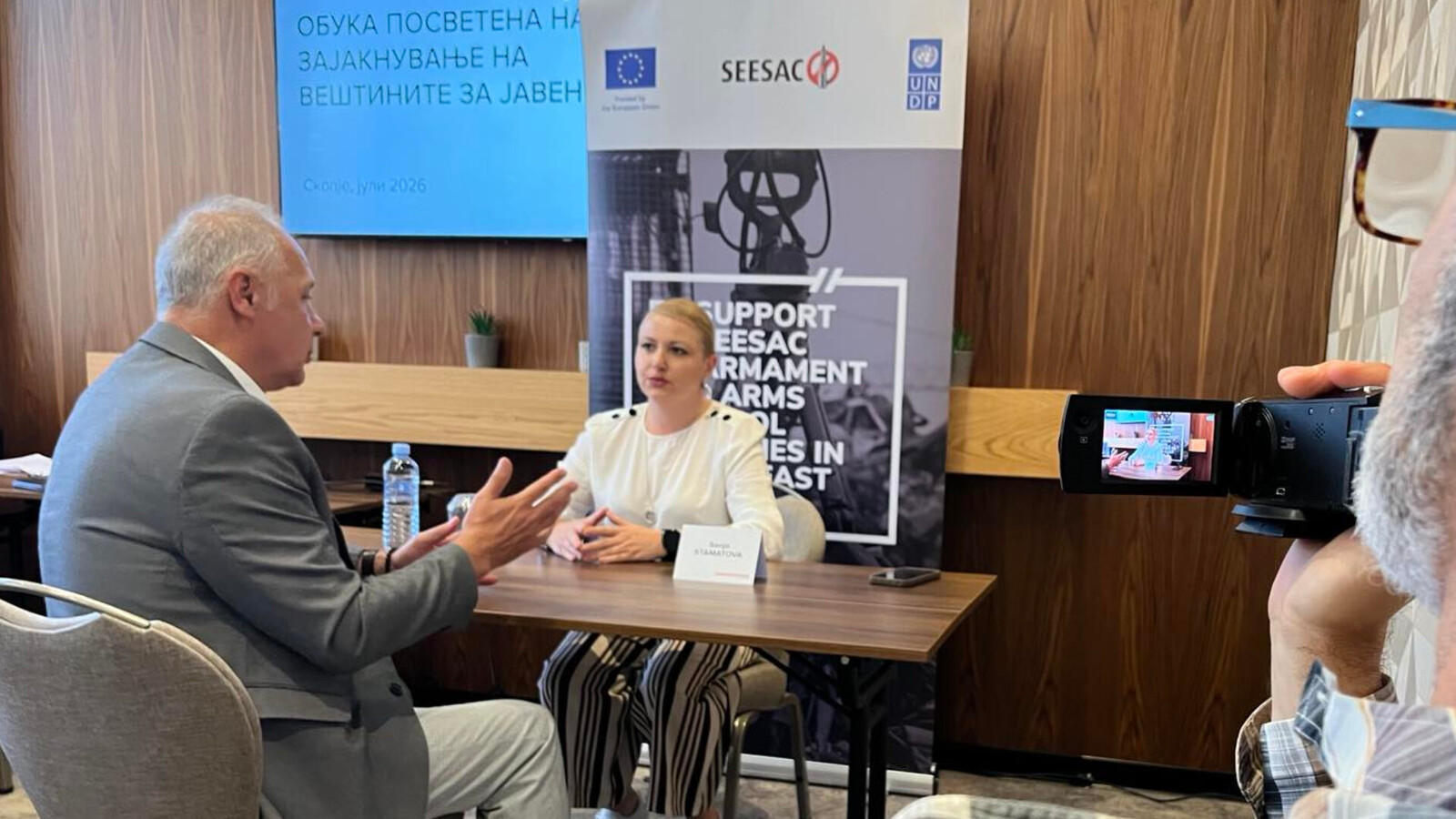
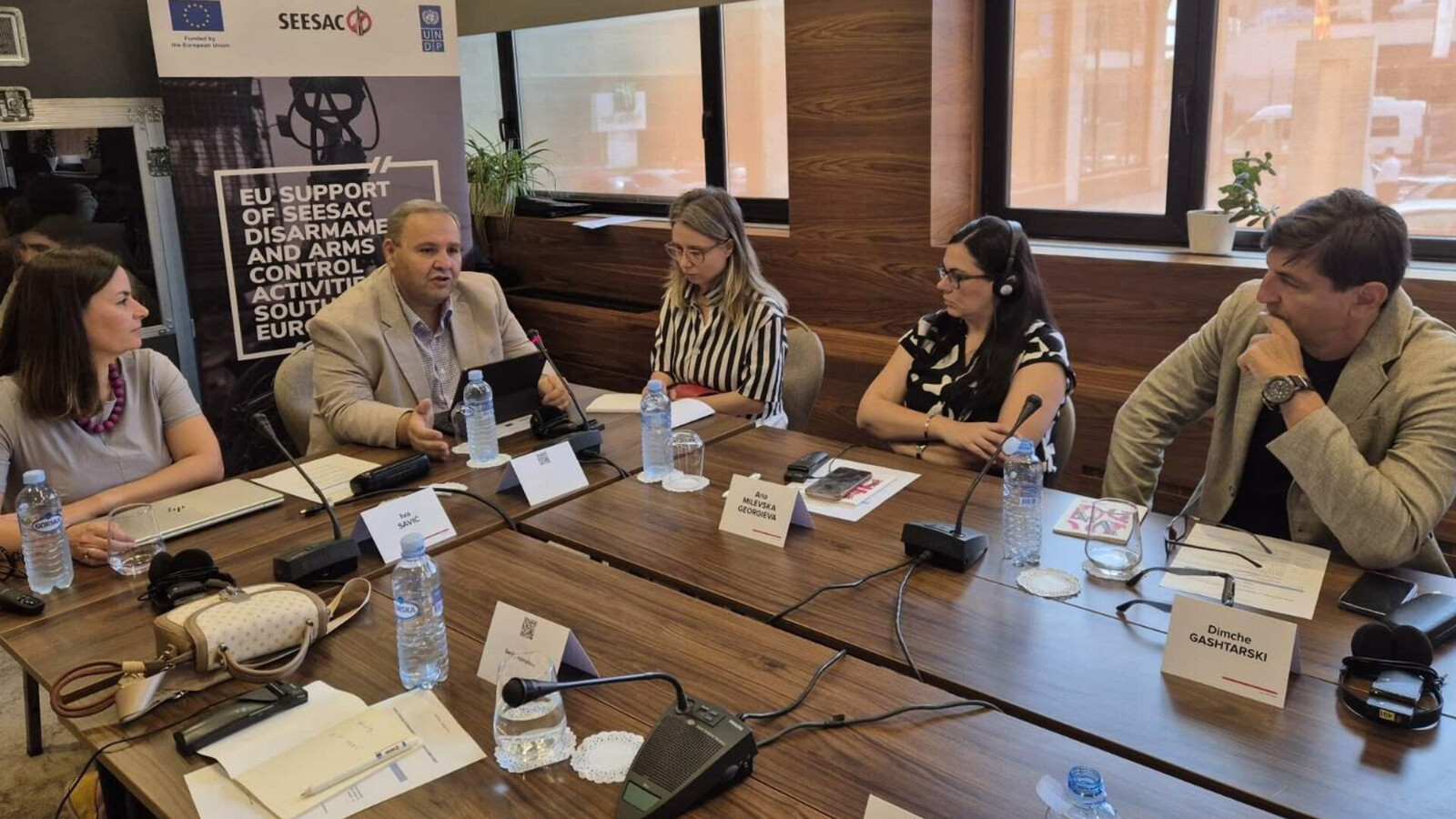
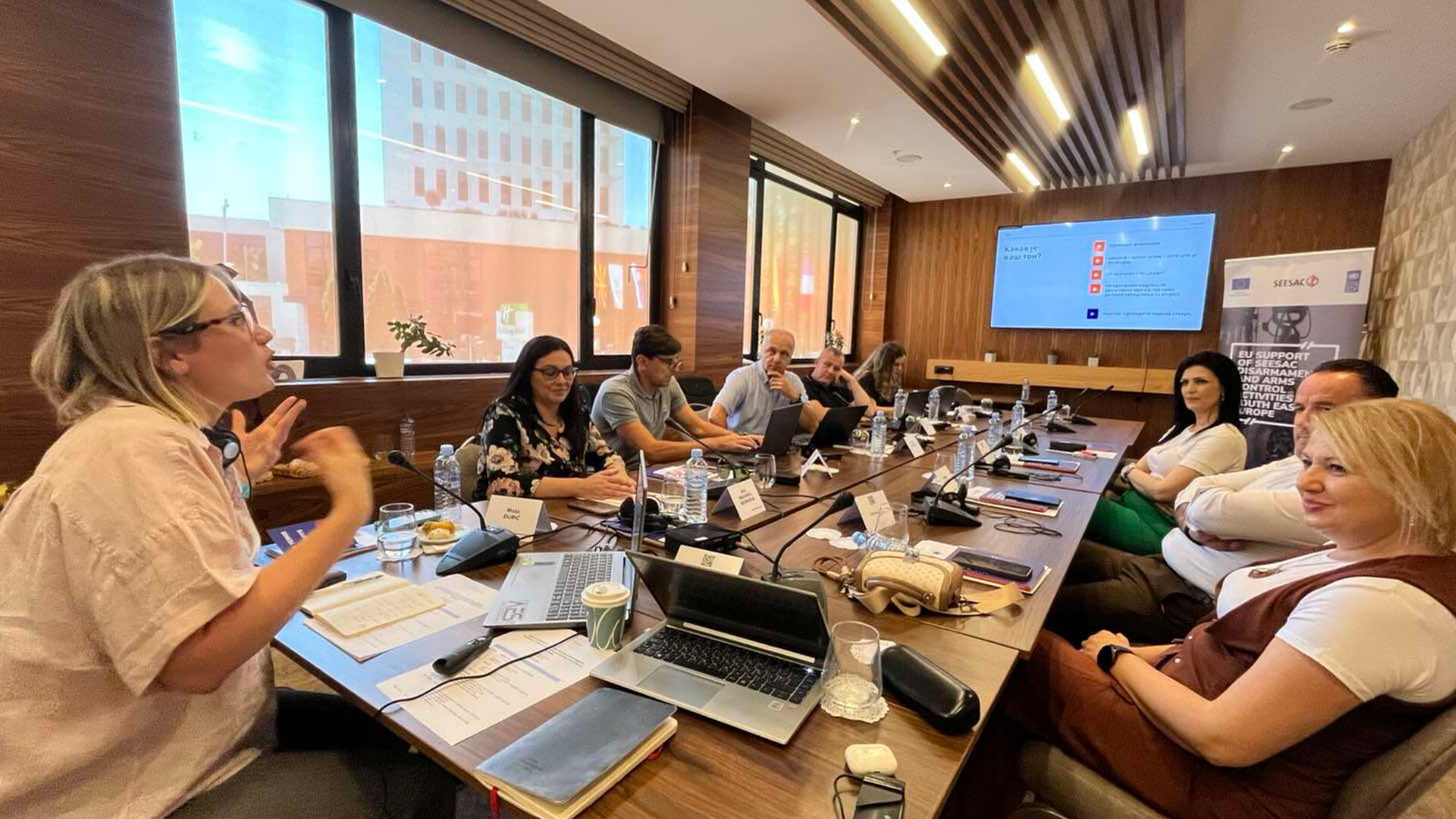
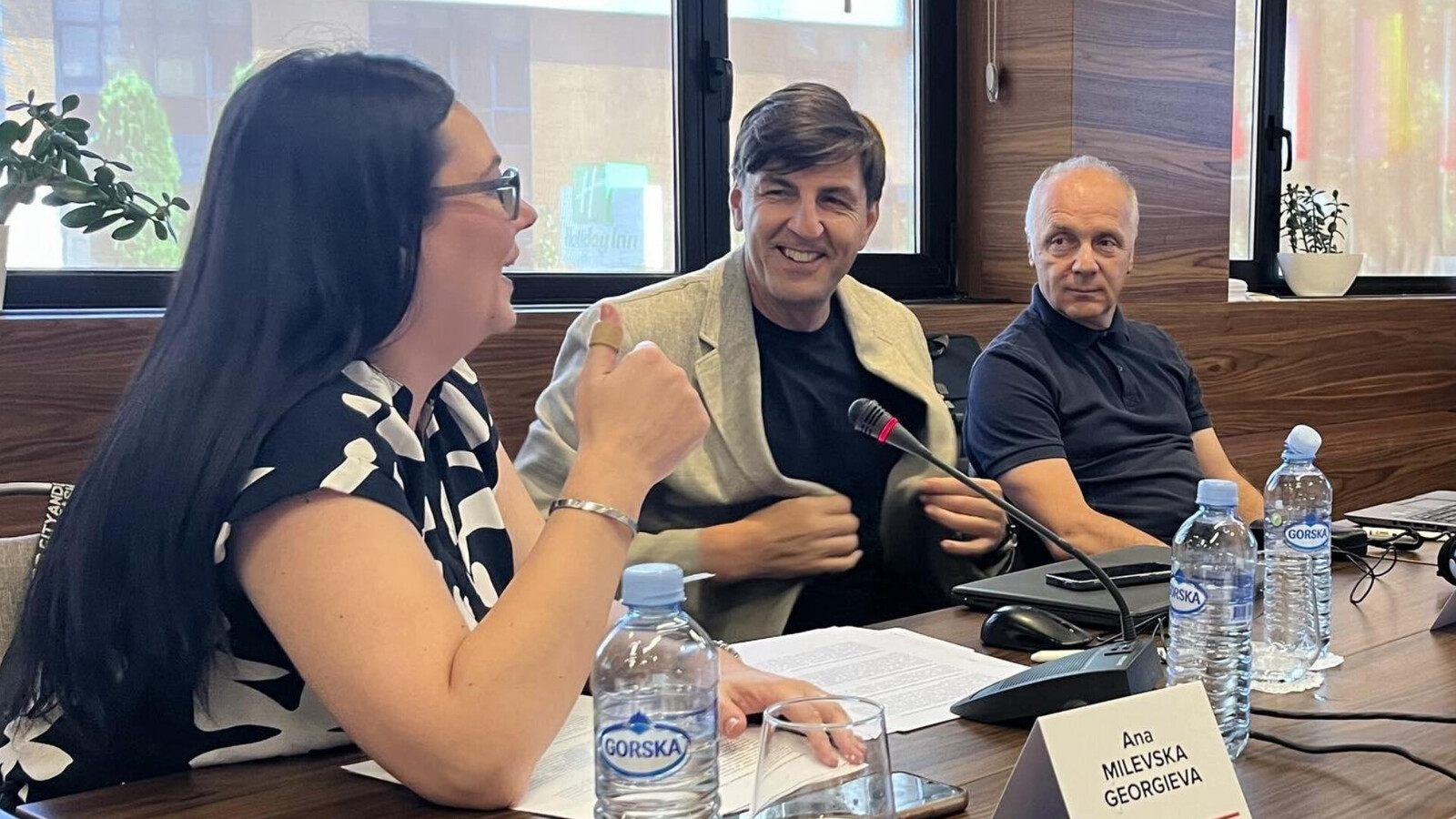
Representatives of the Ministry of the Interior and police authorities of North Macedonia strengthened these skills through two trainings, held in Skopje. Organised by SEESAC and financed by the European Union, From 14 to 15 July, the first training focused on public speaking and communication with the media. Using a simulated crisis event as a common scenario, participants explored the principles of verbal and non-verbal communication and learned how to structure statements and prepare for different types of media appearances.
The emphasis was firmly on practice. Participants prepared and recorded short television statements, simulated press conferences and took part in brief interviews. Each exercise was followed by a review of the recorded material, enabling participants to assess their performance, identify areas for improvement and strengthen their ability to communicate clearly and confidently under pressure.
The second training, held on 16–17 July, turned to social media and its role in helping institutions reach and engage their audiences. Participants examined how to identify and address specific target groups, find relevant and unique content and tell stories that make complex institutional topics more accessible and meaningful to the public.
The training built on SEESAC’s The Voice of Institutions in the Service of Citizens: Guidelines for More Effective Social Media Use in Firearms-Related Awareness-Raising Activities. The Guidelines encourage institutions to move beyond one-way communication and use the interactive potential of social media to address issues relevant to citizens and foster meaningful engagement with their audiences.
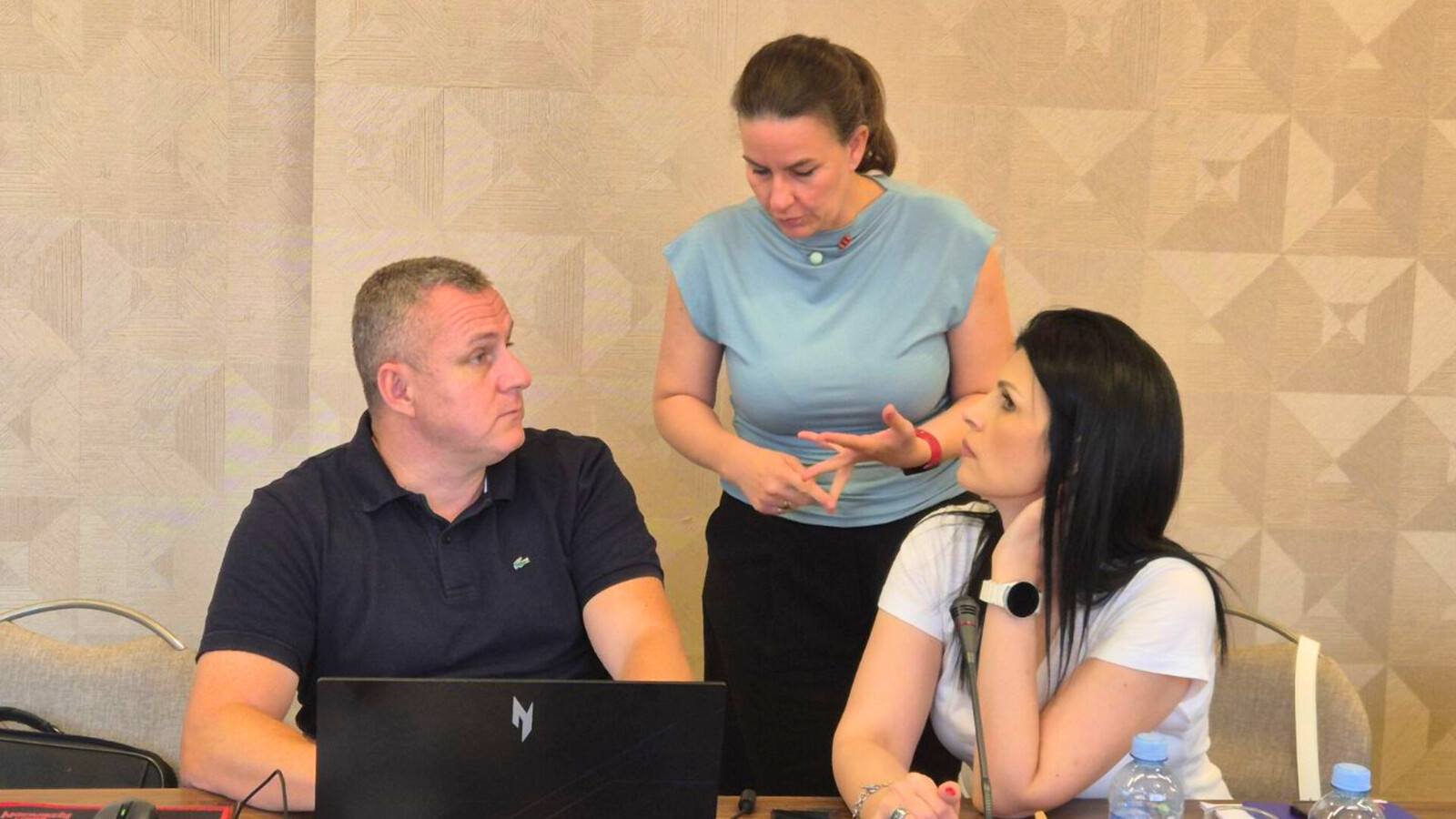
Participants explored effective social media formats, including carousels and short-form videos, as well as the essential elements of strong digital content, such as an engaging opening, a clear call to action and concise storytelling. They moved from ideas to implementation by developing concepts, writing scripts, identifing powerful video content, editing videos and creating visual content, with mentoring support throughout the process.
Together, the two trainings addressed complementary aspects of institutional communication. Public speaking skills help authorities respond effectively in interviews, press conferences and crisis situations, while social media skills enable them to communicate more proactively, tailor messages to specific audiences and maintain a direct dialogue with citizens.
These activities were made possible with the financial support of the European Union as part of the second phase of the regional project “Support for Enhancing the Fight Against the Illegal Possession, Misuse, and Trafficking of Small Arms and Light Weapons (SALW) in the Western Balkans”, funded by the European Commission, Directorate-General for Neighbourhood and Enlargement Negotiations, through the Instrument for Pre-accession Assistance (IPA II).