
EU Special Envoy visits the Western Balkans to Review Progress in Disarmament and Non-Proliferation
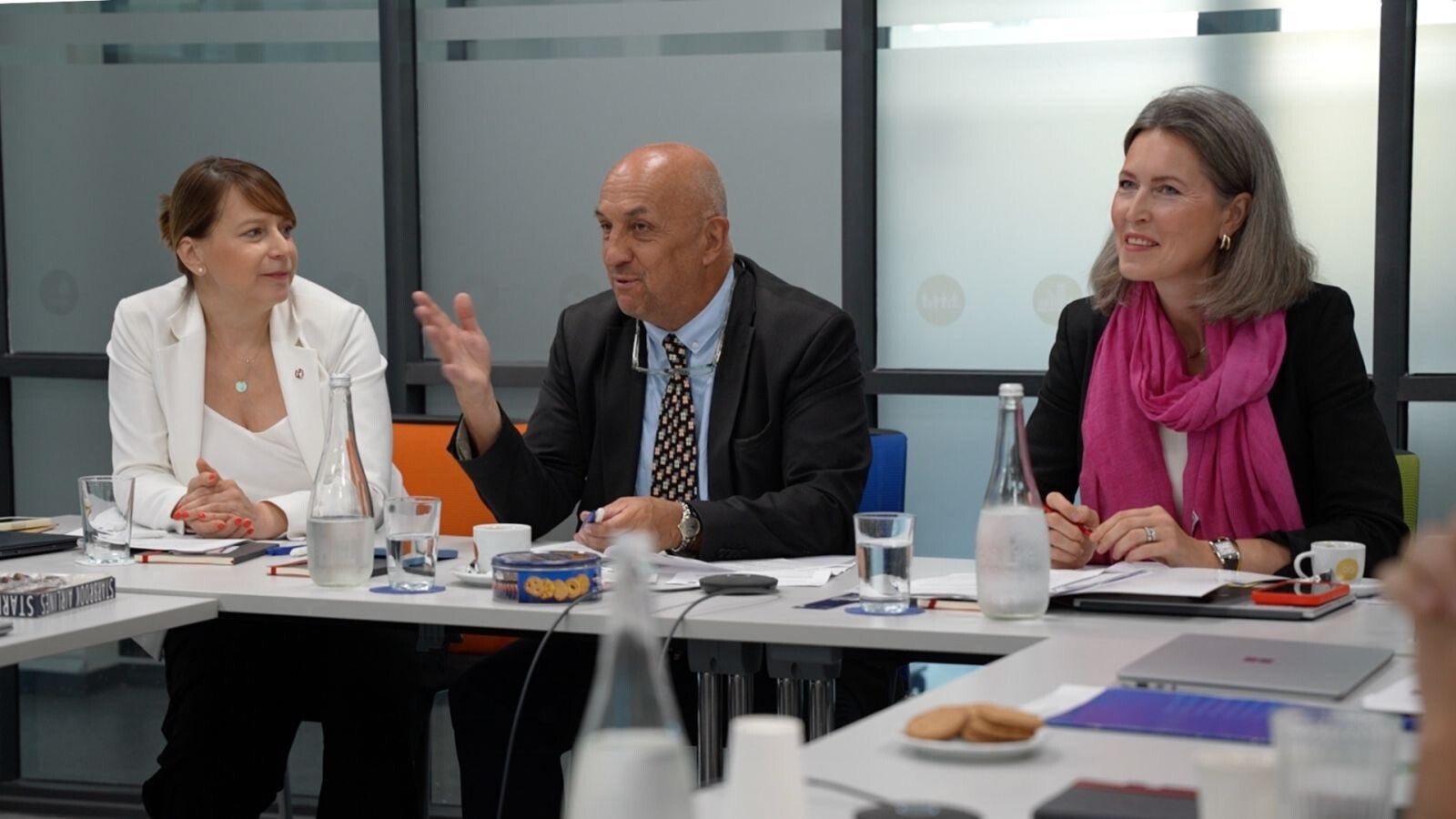
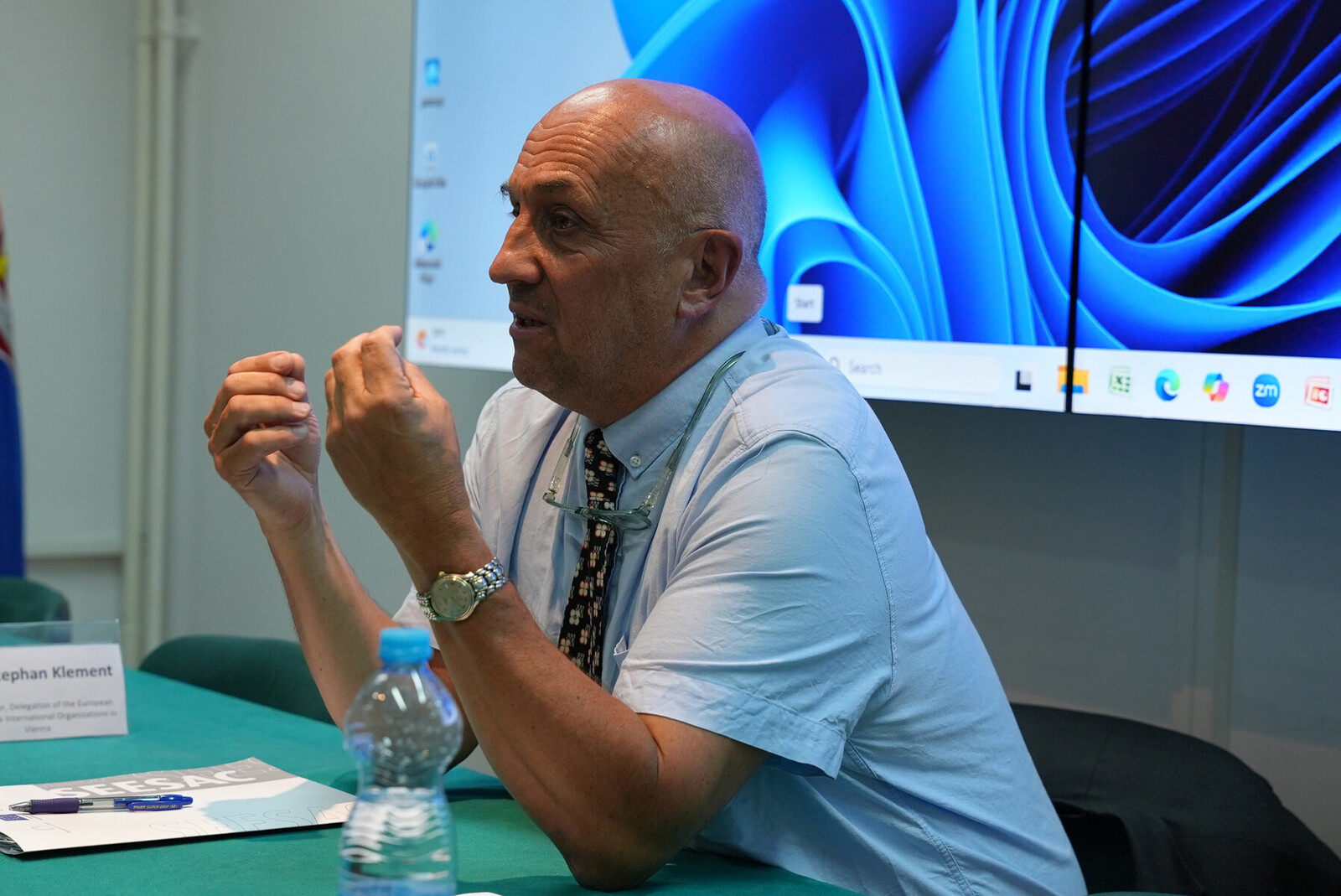
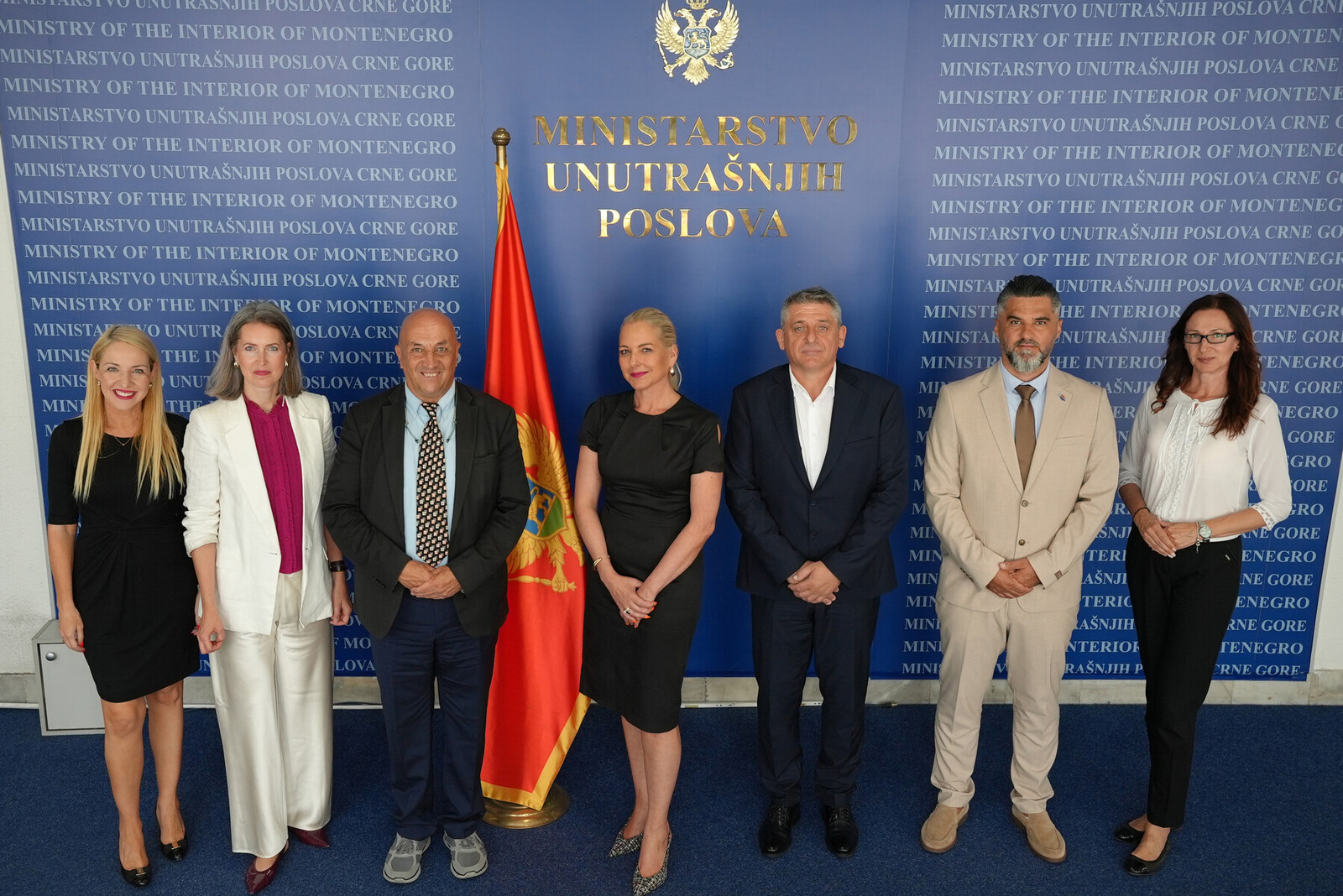
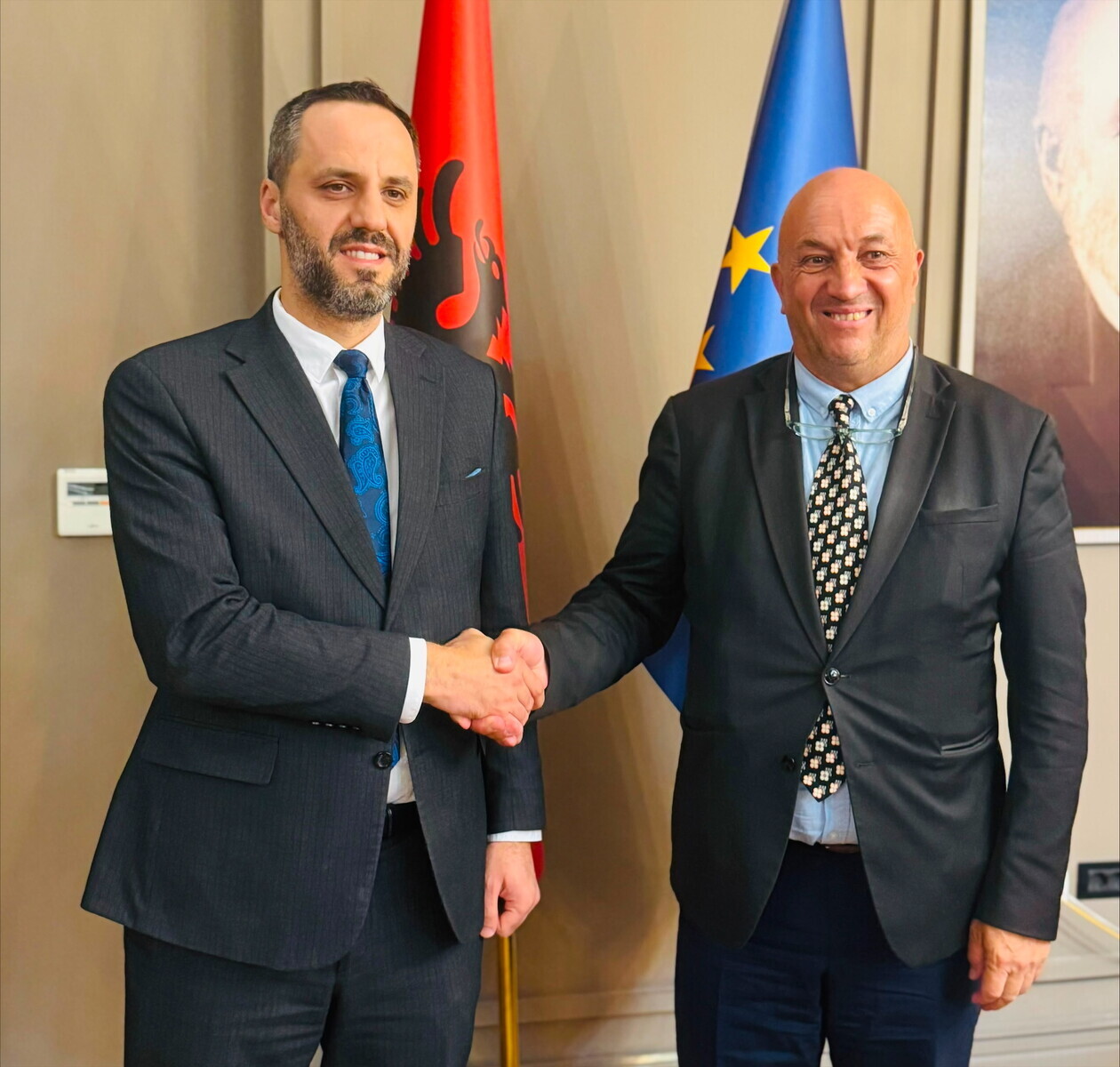
Meetings in Belgrade, Podgorica and Tirana highlighted the practical impact of EU-funded support implemented by UNDP SEESAC and progress under the Western Balkans SALW Control Roadmap.
Ambassador Stephan Klement, the European Union Special Envoy for Disarmament and Non-Proliferation, concluded a regional visit to Serbia, Montenegro and Albania aimed at reviewing how small arms and light weapons (SALW) control measures are being implemented, engaging with national authorities and practitioners, and discussing progress and priorities for the future.
During the visit, held from 5 to 11 July, the EU Special Envoy met government officials, law enforcement representatives, international partners and security experts to take stock of progress under the Western Balkans SALW Control Roadmap and discuss priorities for its implementation through 2030.
The visit also provided an opportunity to see first-hand how sustained EU assistance, implemented through UNDP SEESAC, is contributing to stronger institutions, improved security infrastructure and more effective responses to firearms-related crime across the region.
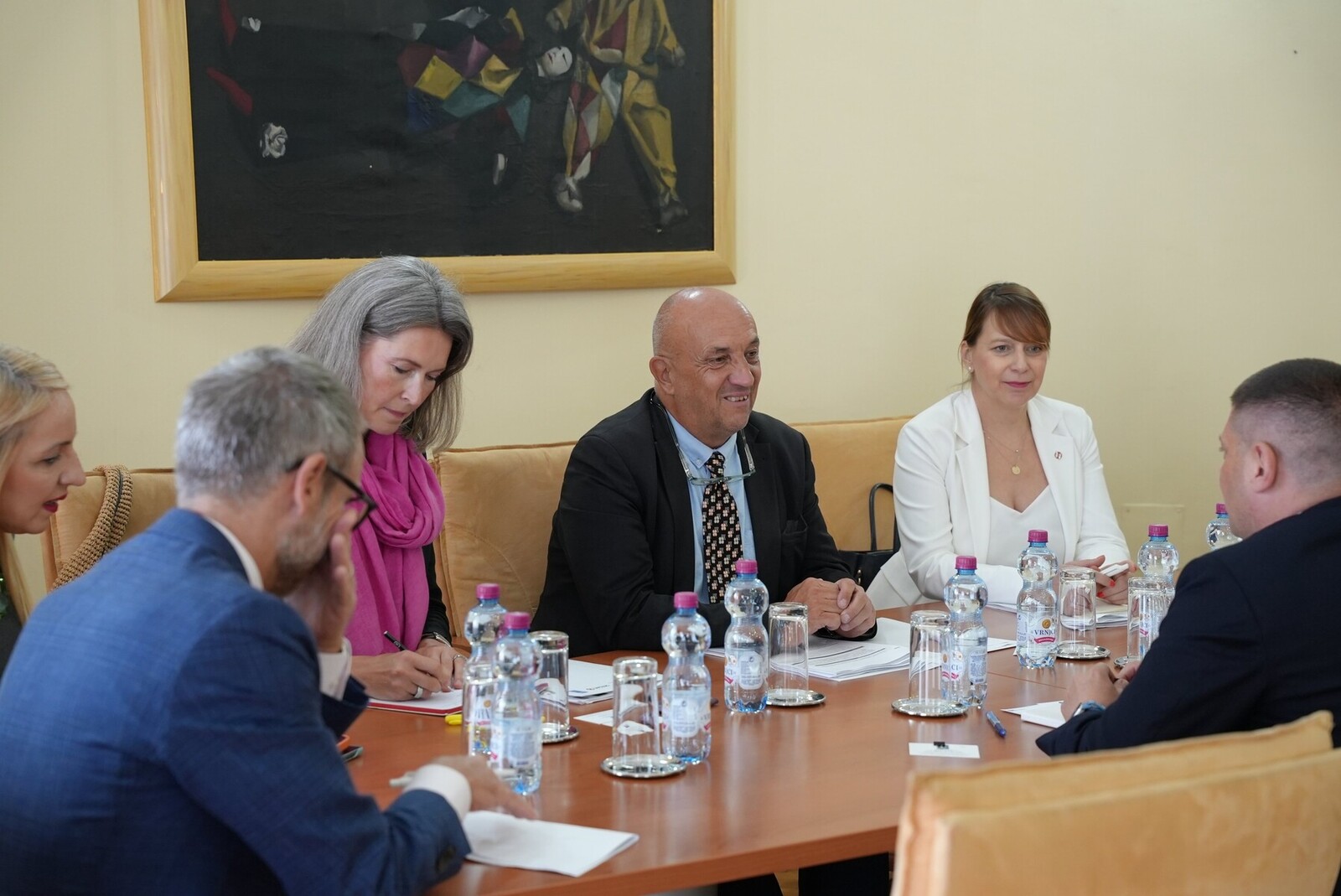
In Belgrade, Ambassador Klement met representatives of the Ministry of Interior, including the Criminal Police Directorate, the Crime Suppression Service and Serbia’s Firearms Focal Point. The Ministry’s representatives presented results achieved under the Roadmap, discussed the new Law on Weapons and Ammunition, recently adopted , and informed on the EU-supported equipment provided to criminal and border police, customs and forensic services. Participants highlighted the importance of the Firearms Focal Point, effective data exchange and regional cooperation in detecting and investigating firearms-related crime.
Ambassador Klement also met representatives of the Ministry of Foreign Affairs and the Ministry of Internal and Foreign Trade to discuss non-proliferation, disarmament and arms export controls.
As part of the programme in Belgrade, he delivered a lecture at the University of Belgrade’s Faculty of Political Sciences on non-proliferation and disarmament in the current geopolitical context.
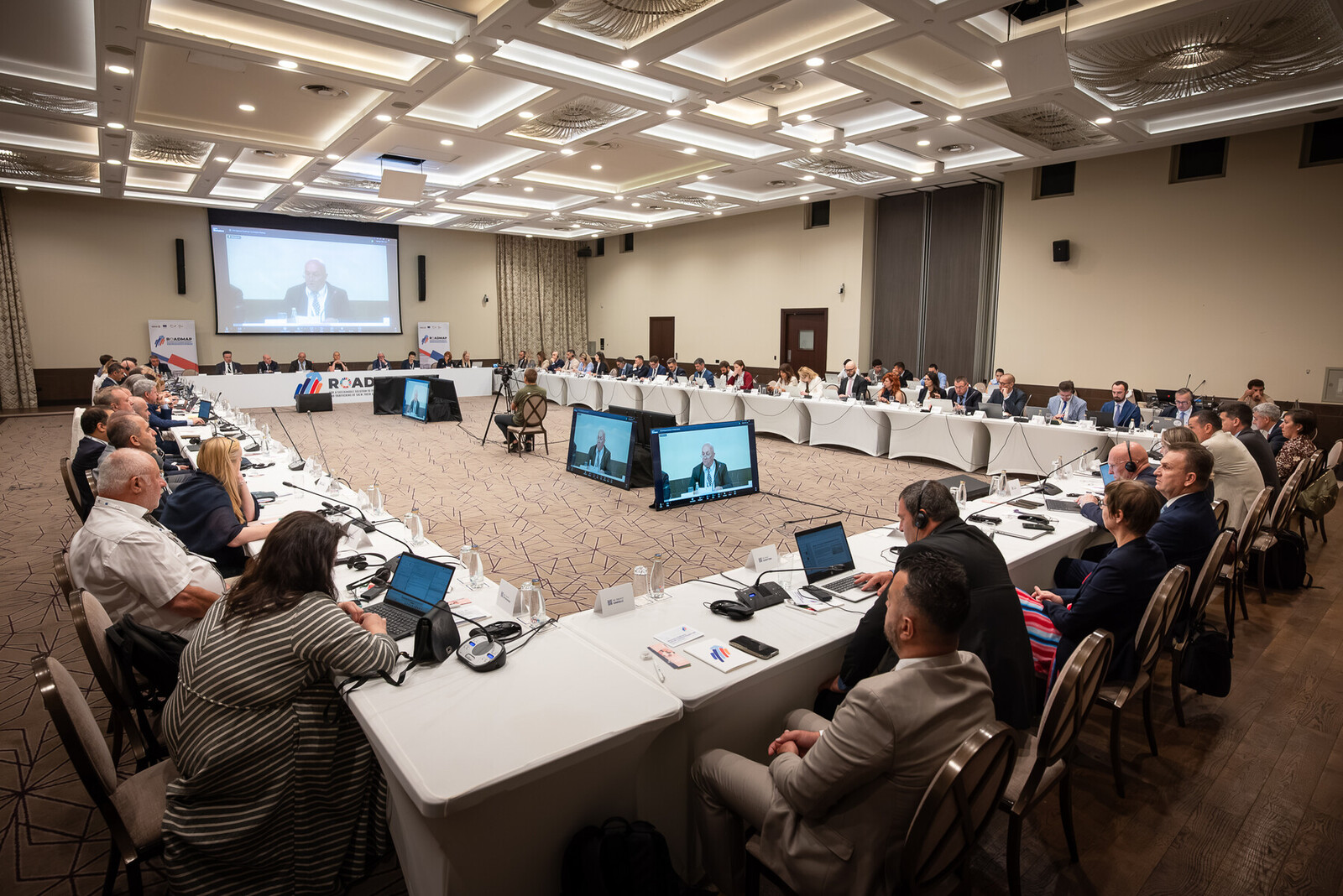
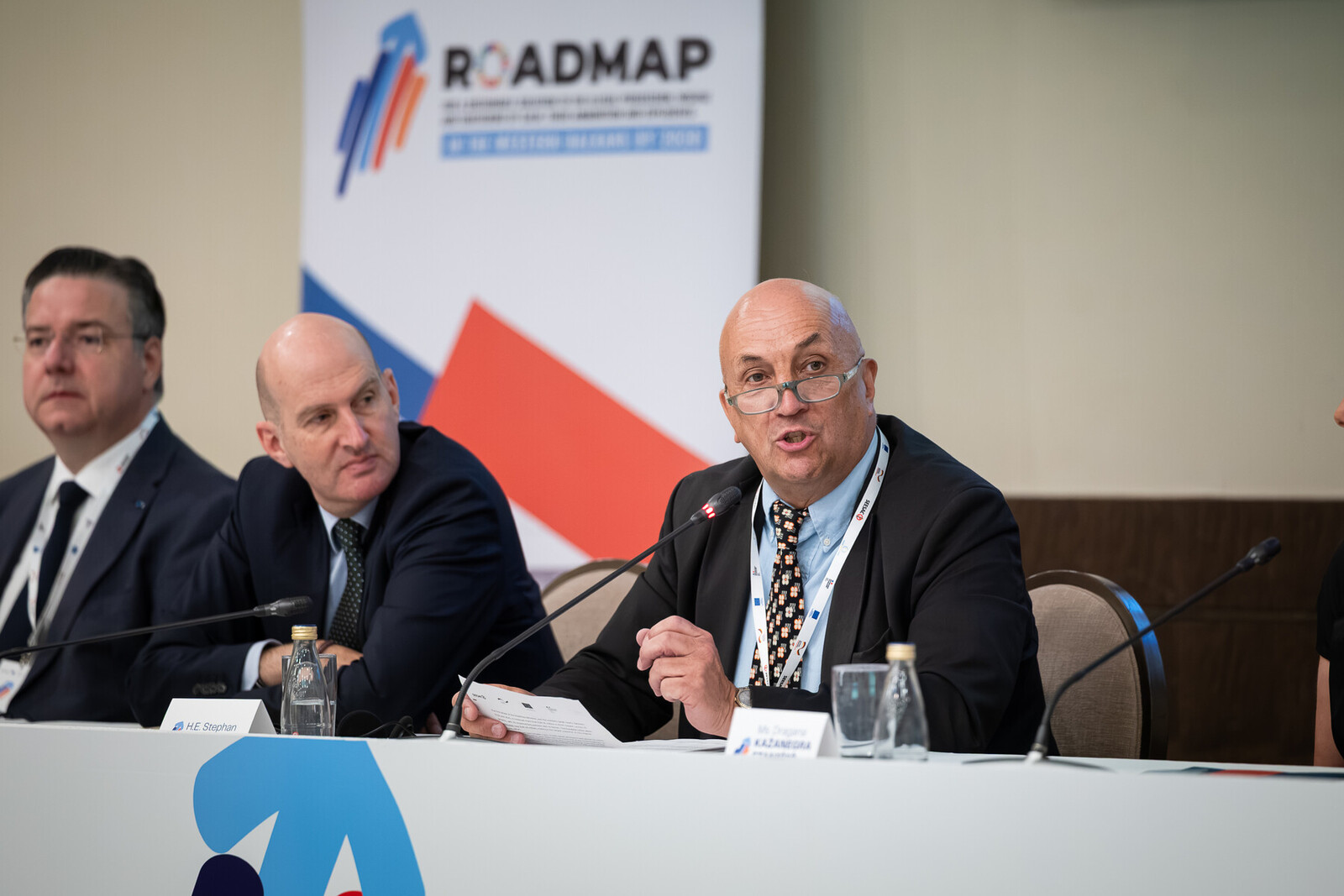
In Podgorica, the Special Envoy participated in the 15th Regional Coordination Meeting on the implementation of the Western Balkans SALW Control Roadmap. The meeting brought together regional authorities, the European Union, international partners and donors to review progress and coordinate the next steps towards achieving the Roadmap’s objectives by 2030.
By the end of 2025, implementation of the Roadmap had delivered tangible results across the Western Balkans. Since 2018, authorities have seized 42,666 firearms and more than 1.42 million rounds of ammunition inland and at borders. They have also destroyed 70,131 surplus or confiscated firearms, nearly 16 million rounds of ammunition and 5,337 tonnes of surplus ammunition. In parallel, 313,851 firearms and more than 4.4 million rounds of
ammunition have been voluntarily surrendered, while 4,477 firearms legalized and 6,011 deactivated.
On the margins of the Roadmap meeting, the Ambassador also met Dragana Kažanegra Stanišić, State Secretary at Montenegro’s Ministry of Interior, to discuss the further development of the legislative and institutional framework, operational capacities, inter-institutional cooperation and information exchange.Discussions with representatives of the criminal police, border police, Forensic Centre and Firearms Focal Point focused on the detection and investigation of firearms-related offences.
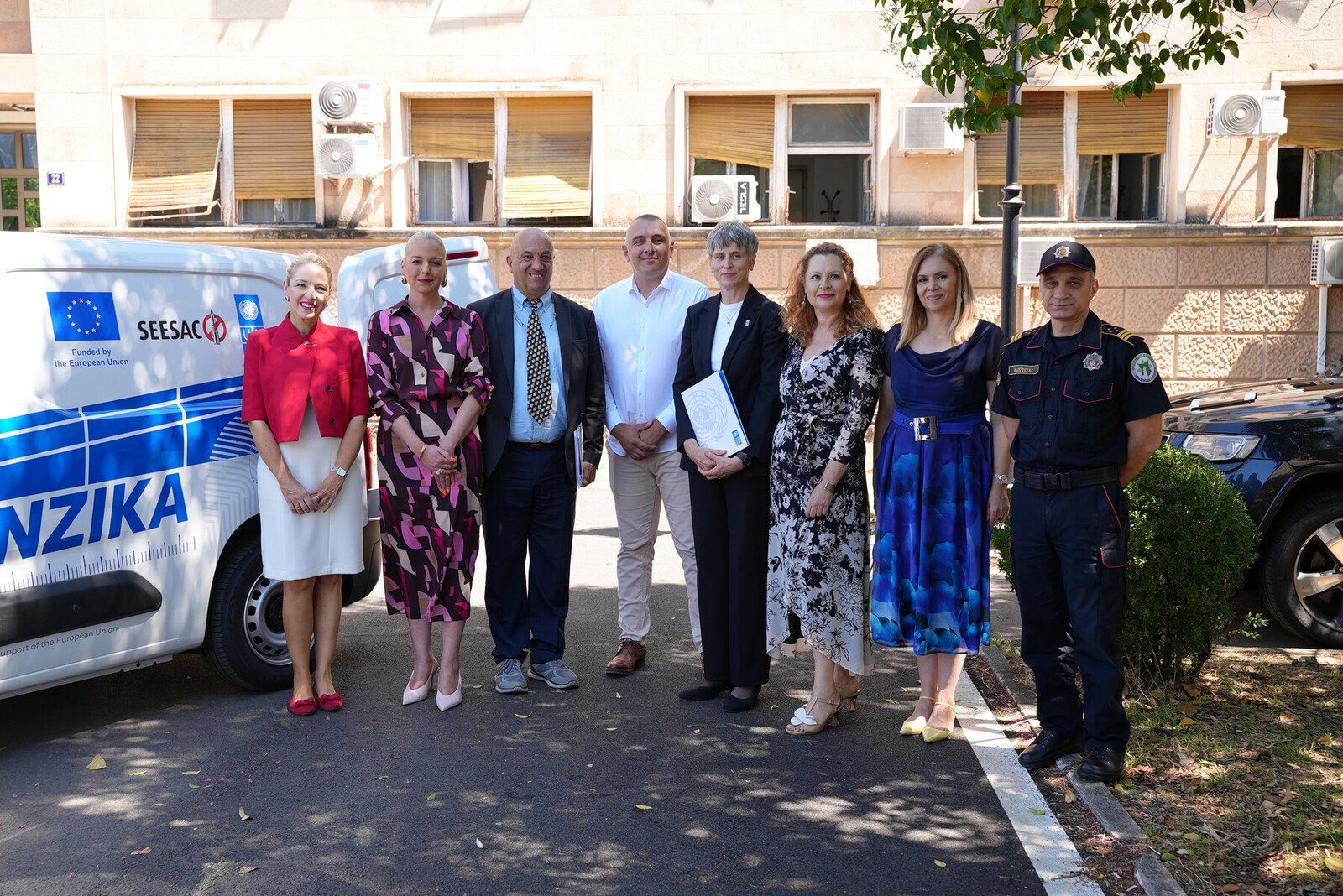
During the visit, two fully equipped mobile crime scene investigation laboratories were handed over to the Ministry of Interior of Montenegro. Funded by the European Union and valued at EUR 64,000, the laboratories will support forensic teams in reaching crime scenes more quickly, collecting and preserving evidence, and conducting investigations in line with international and EU standards.
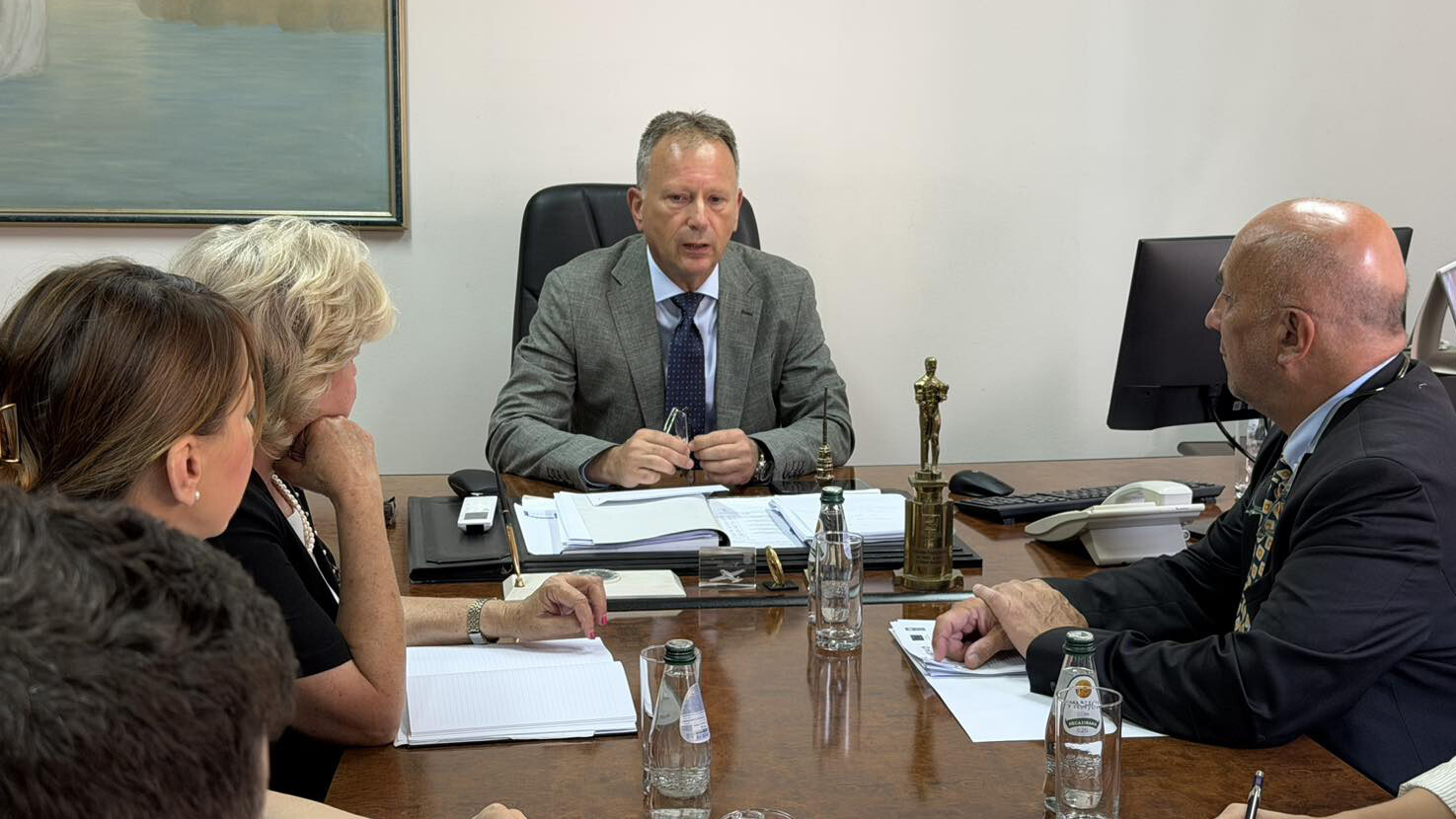
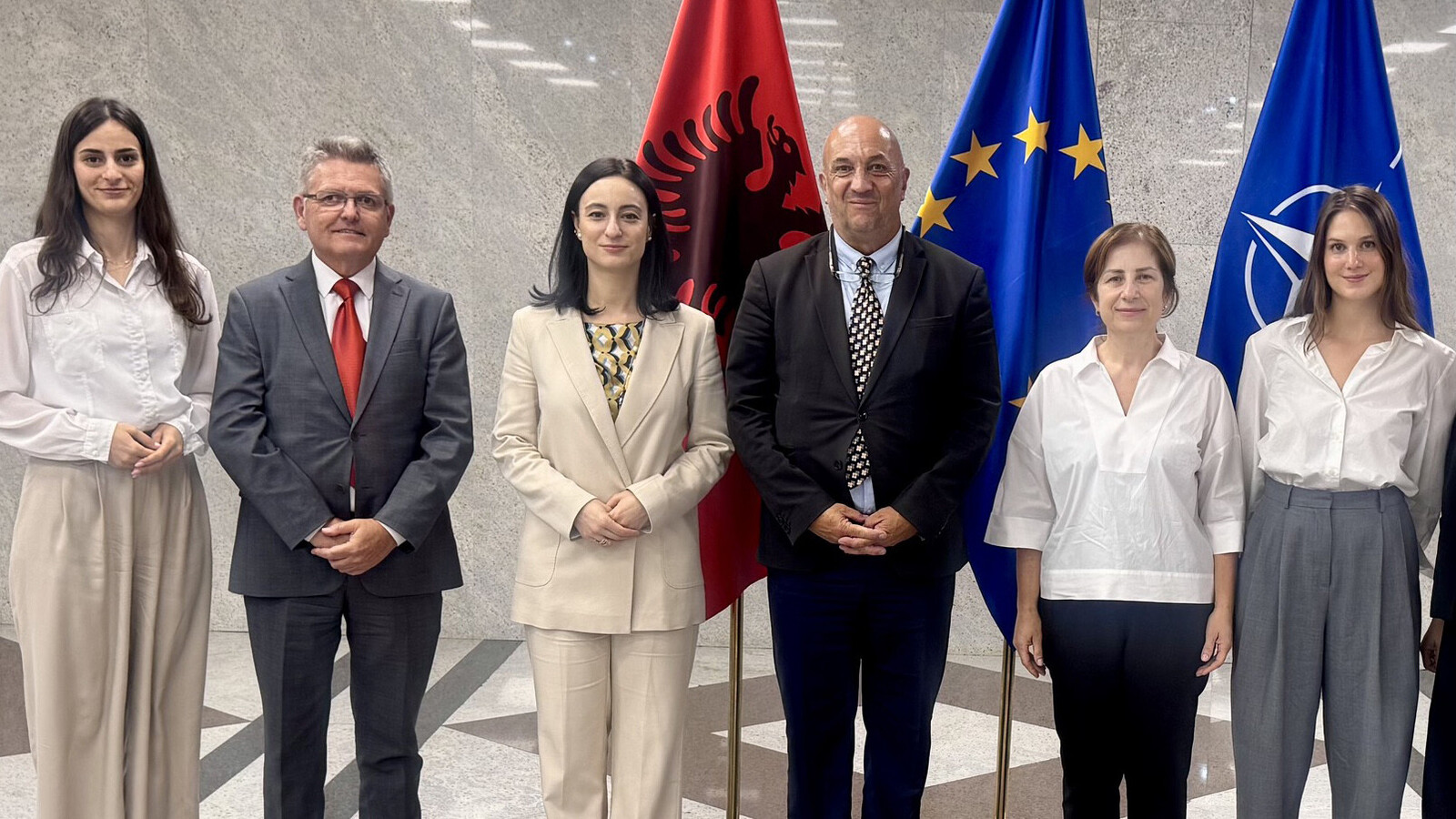
In Tirana, Ambassador Klement met Minister of Interior Besfort Lamallari, Deputy Minister for Europe and Foreign Affairs Ms. Megi Fino, the Head of EU Delegation to Albania and UNDP’s Resident Representative.
Discussions focused on Albania’s progress in reducing the risks associated with the illicit possession, trafficking and misuse of firearms, as well as the contribution of UNDP SEESAC to national and regional security efforts.
The EU Special Envoy also visited the Albanian State Police’s Main Technical Supply Centre in Mullet, the central storage facility for police-held small arms, light weapons and ammunition. The visit provided an opportunity to observe security improvements supported with EU funding, complemented by assistance from the United States and implemented by UNDP through SEESAC.
The upgrades included improved infrastructure, access-control systems, surveillance and safety measures designed to reduce the risks of loss, theft and diversion.
Throughout the visit, the authorities expressed appreciation for the EU’s sustained financial, technical, and expert support to SALW control and wider security efforts. They reaffirmed their commitment to implementing the Western Balkans SALW Control Roadmap, strengthening cooperation with the EU and continuing reforms aligned with European standards and their respective EU integration paths.
Through its long-standing partnership with the EU and authorities across the Western Balkans, UNDP SEESAC will continue supporting efforts to prevent illicit firearms trafficking and misuse, strengthen criminal justice institutions and contribute to safer communities throughout the region.
Since 2002, the EU has invested approximately 52.9 million euros to UNDP SEESAC to combat the threat of illicit small arms and light weapons in South East Europe through various EU Council Decisions and European Commission’s Instrument for Pre-accession Assistance.