Information
United Nations recognize five years of partnership to upgrade disaster resilience between USAID and local governments in Serbia
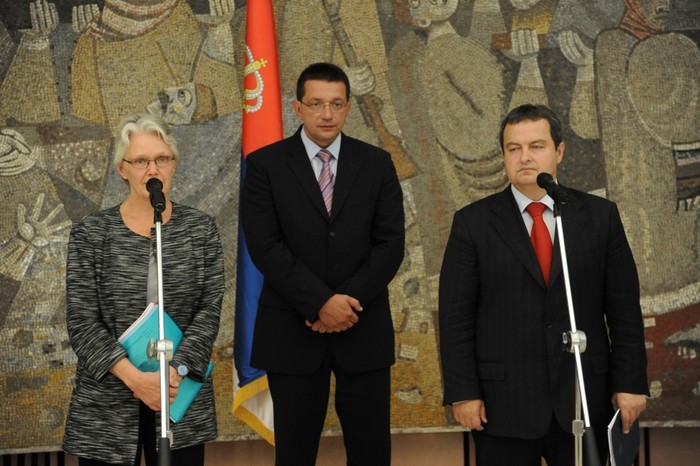
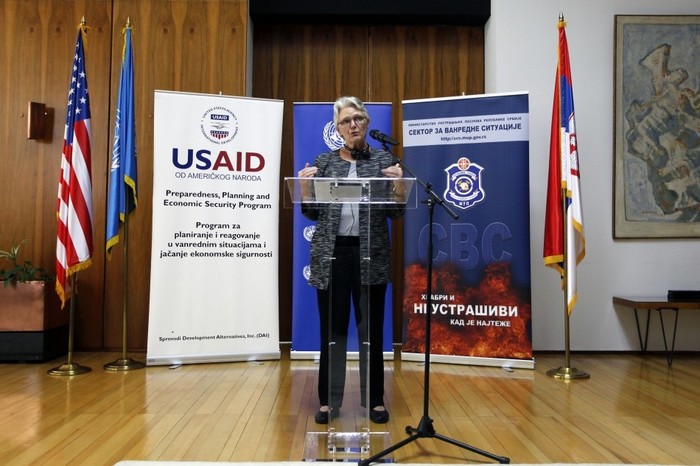
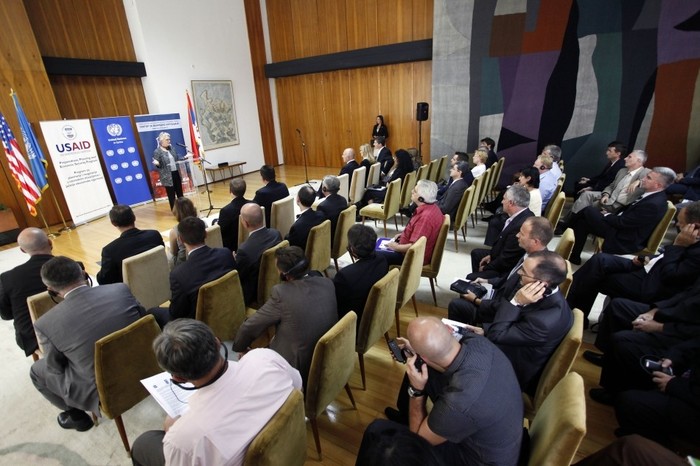
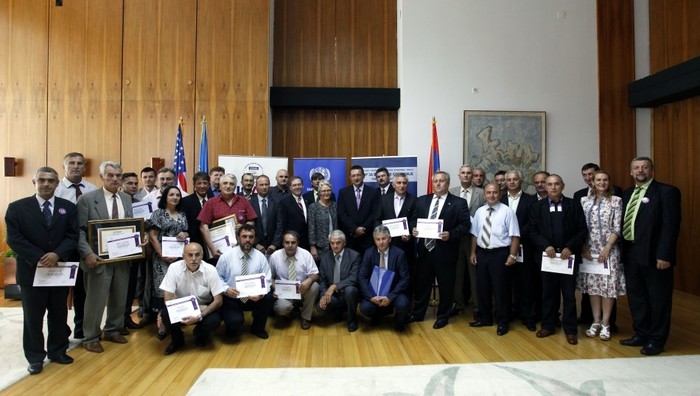
The United Nations Special Representative of the Secretary-General for Disaster Risk Reduction, Margareta Wahlström, awarded certificates of commitment to disaster resilience and participation in the global United Nations Disaster Risk Reduction (UN DRR) campaign “Making Cities Resilient – My City is Getting Ready” to the representatives of 30 municipalities and cities across Serbia.
To earn the certificates, Serbian municipalities worked in partnership with the US Agency for International Development’s Preparedness and Planning Program to improve safety and disaster resilience of their citizens and property, receiving the USAID Enhanced Disaster Resilient status.
On this occasion, four more municipalities also received USAID’s Enhanced Disaster Resilient status bringing the total number of resilient municipalities to over 60 and those joining the global UN DRR campaign to approximately 50, close to one half of all Serbian municipalities.
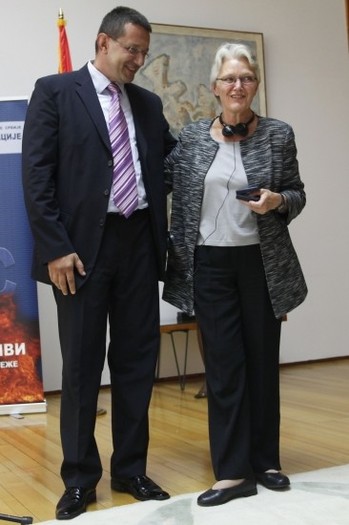
Serbian Assistant Minister of Interior and Head of the Sector for Emergency Management Predrag Maric, and US Deputy Chief of Mission Earle Litzenberger set along side Margareta Wahlström, the United Nations Special Representative of the Secretary-General for Disaster Risk Reduction as the key note speakers at the ceremony.
“Urban risk reduction delivers many benefits. When successfully applied as part of sustainable urbanization, resilient cities help reduce poverty, provide for growth and employment, and deliver greater social equity, fresh business opportunities, more balanced ecosystems, better health and improved education. I call on mayors and local governments to join in the Making Cities Resilient Campaign 2010-2011 and to consider how they can implement as many of the Ten Essentials for Making Cities Resilient as possible. Mayors are the closest institutional level to citizens and are elected leaders, expected to respond to the needs and safety of their constituencies” stated Ms. Margareta Wahlström.
USAID Preparedness and Planning Program worked with 120 Serbian municipalities, trained more than 1700 disaster managers and donated more than $240,000. „We are extremely pleased with what has been achieved. In five years USAID has trained nearly all Serbian municipalities to help them advance in disaster preparedness and planning and switch from passive reaction to proactive planning in emergency situations which protects the citizens and their property more effectively” said Mr. Earle Litzenberger.
“Serbia is recognized by the U.N. to be at the forefront of EU countries in education of local government leaders in emergency response. The Mayor’s training today builds modern capacity of Disaster Management Teams and gives new authority on the local level as a result of the new Law on Emergency Situations. USAID began this type of training several years ago, and the Ministry of Interior’s Department of Emergency Management will continue this good practice” stated Mr. Predrag Maric,
Earning the Enhanced Disaster Resilient status within the USAID Preparedness and Planning Program allows municipalities to gain strategic disaster preparedness and planning skills and effectively protect the citizens and their property through both preemptive action and fast recovery from disasters; joining the global UN DRR campaign allows them to participate in a global network of municipalities dedicated to further improve their disaster risk reduction and disaster management skills. Serbia is one of the European leaders in the number of participating local self-governments.
To earn the certificates, Serbian municipalities worked in partnership with the US Agency for International Development’s Preparedness and Planning Program to improve safety and disaster resilience of their citizens and property, receiving the USAID Enhanced Disaster Resilient status.
On this occasion, four more municipalities also received USAID’s Enhanced Disaster Resilient status bringing the total number of resilient municipalities to over 60 and those joining the global UN DRR campaign to approximately 50, close to one half of all Serbian municipalities.
Serbian Assistant Minister of Interior and Head of the Sector for Emergency Management Predrag Maric, and US Deputy Chief of Mission Earle Litzenberger set along side Margareta Wahlström, the United Nations Special Representative of the Secretary-General for Disaster Risk Reduction as the key note speakers at the ceremony.
“Urban risk reduction delivers many benefits. When successfully applied as part of sustainable urbanization, resilient cities help reduce poverty, provide for growth and employment, and deliver greater social equity, fresh business opportunities, more balanced ecosystems, better health and improved education. I call on mayors and local governments to join in the Making Cities Resilient Campaign 2010-2011 and to consider how they can implement as many of the Ten Essentials for Making Cities Resilient as possible. Mayors are the closest institutional level to citizens and are elected leaders, expected to respond to the needs and safety of their constituencies” stated Ms. Margareta Wahlström.
USAID Preparedness and Planning Program worked with 120 Serbian municipalities, trained more than 1700 disaster managers and donated more than $240,000. „We are extremely pleased with what has been achieved. In five years USAID has trained nearly all Serbian municipalities to help them advance in disaster preparedness and planning and switch from passive reaction to proactive planning in emergency situations which protects the citizens and their property more effectively” said Mr. Earle Litzenberger.
“Serbia is recognized by the U.N. to be at the forefront of EU countries in education of local government leaders in emergency response. The Mayor’s training today builds modern capacity of Disaster Management Teams and gives new authority on the local level as a result of the new Law on Emergency Situations. USAID began this type of training several years ago, and the Ministry of Interior’s Department of Emergency Management will continue this good practice” stated Mr. Predrag Maric,
Earning the Enhanced Disaster Resilient status within the USAID Preparedness and Planning Program allows municipalities to gain strategic disaster preparedness and planning skills and effectively protect the citizens and their property through both preemptive action and fast recovery from disasters; joining the global UN DRR campaign allows them to participate in a global network of municipalities dedicated to further improve their disaster risk reduction and disaster management skills. Serbia is one of the European leaders in the number of participating local self-governments.