
Study Visit to Switzerland’s DoD for Western Balkan Ministries of Defence and Armed Forces
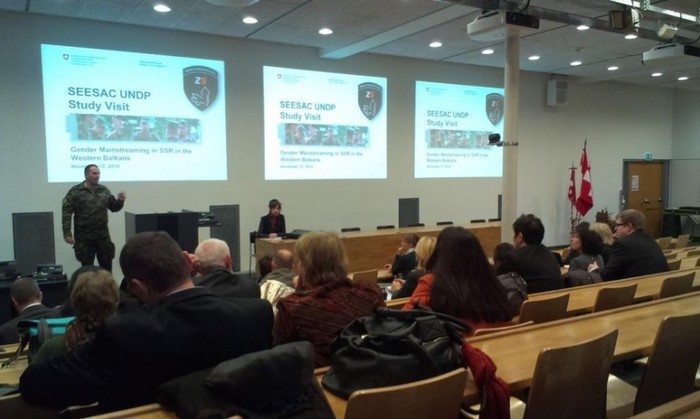
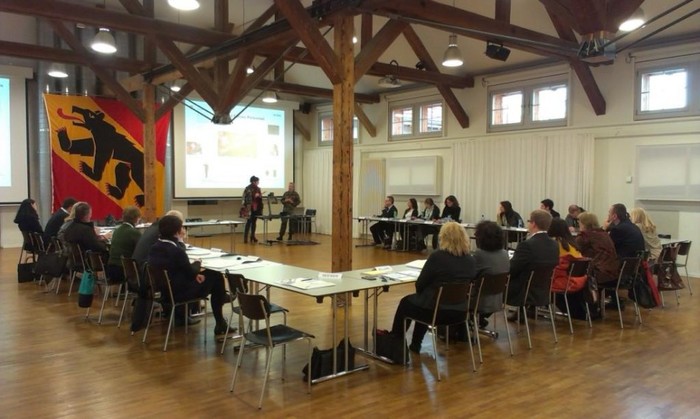
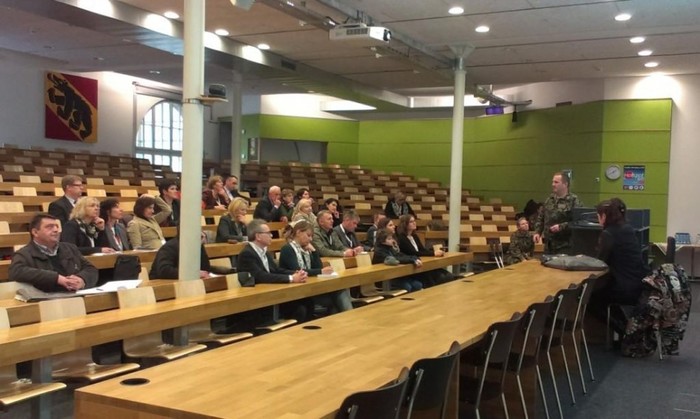
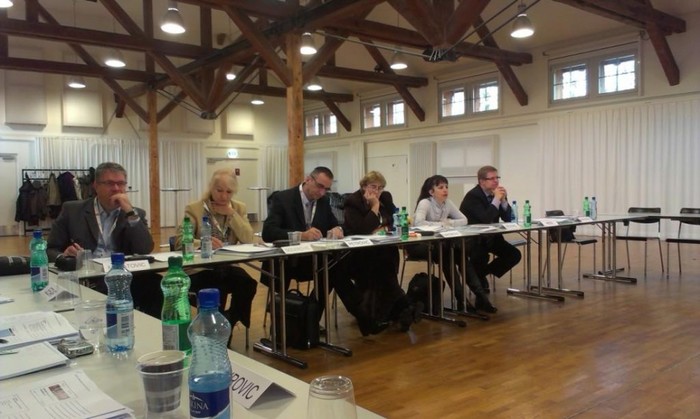
From 12-13 November, fourteen (14) representatives of four Western Balkan Ministries of Defence (MoD) and Armed Forces (AF) took part in a study visit to the Swiss Federal Department of Defence, Civil Protection and Sport (DoD), coordinated by UNDP’s SEESAC initiative under its Gender Equality in the Military Project .
The study visit was attended by representatives of the Human Resources (HR) departments of the MoDs and AFs from Bosnia and Herzegovina, Montenegro, Serbia and the former Yugoslav Republic of Macedonia. A primary goal of the visit was for the Western Balkan participants to learn from the experiences of their Swiss counterparts about the implementation of human resources and diversity management in the DoD and Swiss Armed Forces.
The study visit also focused on the practical application of the concept of equal opportunities in the DoD and Swiss Armed Forces, and how it influences the recruitment and retention of women in these institutions.
In addition, the visit provided participants with an opportunity to learn more about the existing institutional mechanisms in the Swiss DoD and Armed Forces ensuring equal opportunities and gender equality.
The study gave way to vibrant discussions, and networking, in addition to knowledge-, experience- and information- exchange between the Swiss hosts, on the one hand, and representatives of the Ministries of Defence and the Armed Forces of the Western Balkan countries, on the other.
About THE GENDER EQUALITY IN THE MILITARY PROJECT
SEESAC's Gender Equality in the Military: Strengthening of Regional Cooperation on Gender Mainstreaming in Security Sector Reform in the Western Balkans project aims to create a more conducive environment for the advancement of women in the military in the Western Balkans. With this as its goal, SEESAC is supporting the Ministries of Defense in Bosnia and Herzegovina, the former Yugoslav Republic of Macedonia, Montenegro and Serbia in their efforts to ensure better integration, retention and professional development for women in the armed forces as well as stronger participation of women in decision-making and gender sensitive change in their organizational cultures.