
Serbia: Dangers of Small Arms and Light Weapons Recognized by the Members of the Police
On 31 January 2012, a man armed with a bomb and a gun was apprehended by the Serbian police after taking three policemen hostage in the Cukarica police station in Belgrade, Serbia. The Serbian Police Union (SSP) condemned the assault and called for a more determined effort to collect and destroy surplus weapons, an increase of qualified
personnel for the task, and adequate technical and management equipment and support.
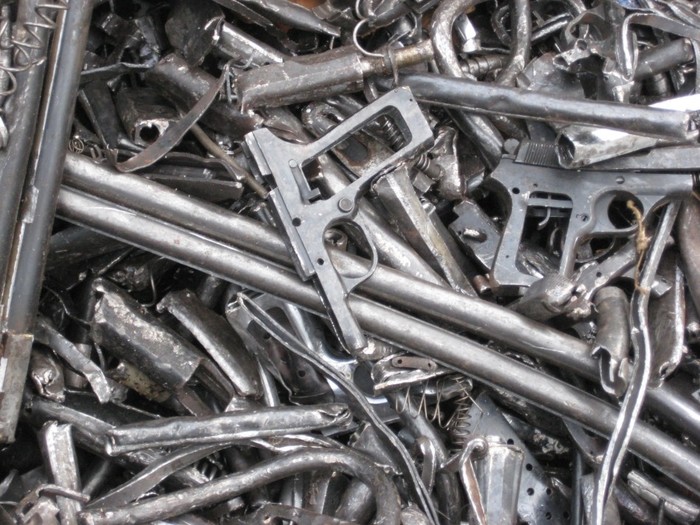
In parallel, several local level initiatives took place, most recently by the police department of the city of Kragujevac, which handed over to the Serbian Ministry of Interior 27 crates containing over 1,500 pieces of weapons for destruction. These weapons were in illegal possession and were confiscated in the course of various criminal investigations and arrests. Such pro-active efforts by local authorities show their clear understanding of the problem and firm commitment to reduce the
surplus number of SALW in circulation and enhance the stability, security and development of Serbia and its citizens.
Currently the main challenge for the Western Balkan countries, with respect to small arms and light weapons (SALW), is the practical implementation of their legal and political commitments in the area of small arms and light weapons (SALW) control. Consequently, in order to minimize the risk of proliferation of SALW, it is crucial to destroy surpluses and to establish better management of SALW stockpiles. Recognizing these priorities, the Council of the European Union passed the EU
Council Decision 2010/179/CFSP, on 11 March 2010, in Support of SEESAC arms control activities in the Western Balkans within the framework of the EU Strategy to combat the illicit accumulation and trafficking of SALW and their ammunition.
In Serbia, SEESAC’s small arms and light weapons (SALW) destruction activities, performed in close cooperation with the Serbian Ministry of Interior, commenced in 2009 when 27,000 surplus weapons were destroyed. Since 2010 and under the Council Decision, 28,285 more weapons have been destroyed in Serbia. These activities go hand in hand with SEESAC’s awareness raising campaigns related to the dangers posed by possession of SALW. The most recent such campaign called for restrain from shooting
during the holiday season.
SEESAC implements activities aimed at improving arms control across the Western Balkan region. You can read about these activities at the SEESAC Key Activities.