
SEESAC shares lessons learnt from the Western Balkans at NATO’s Key leader seminar on Gender Perspective Seminar
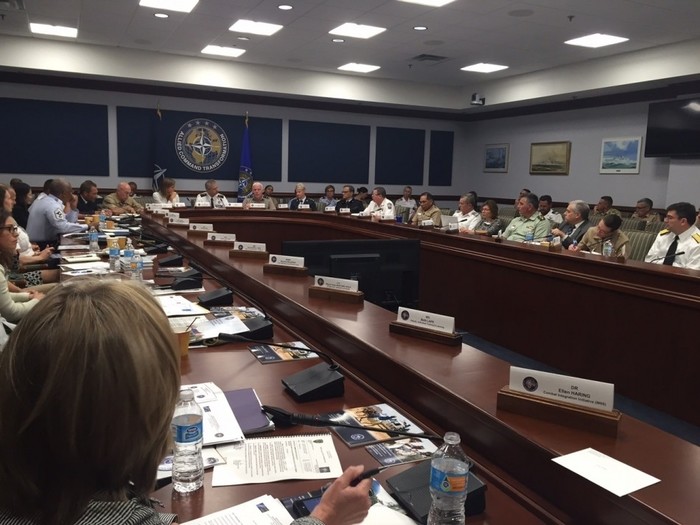
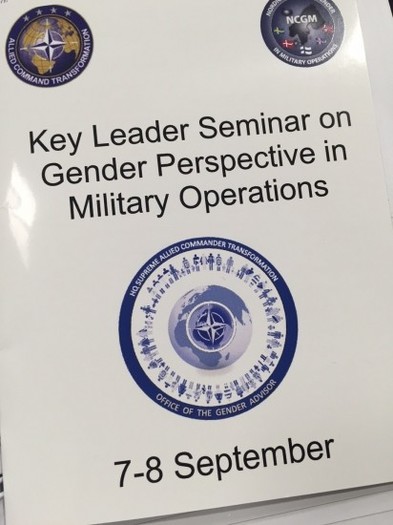
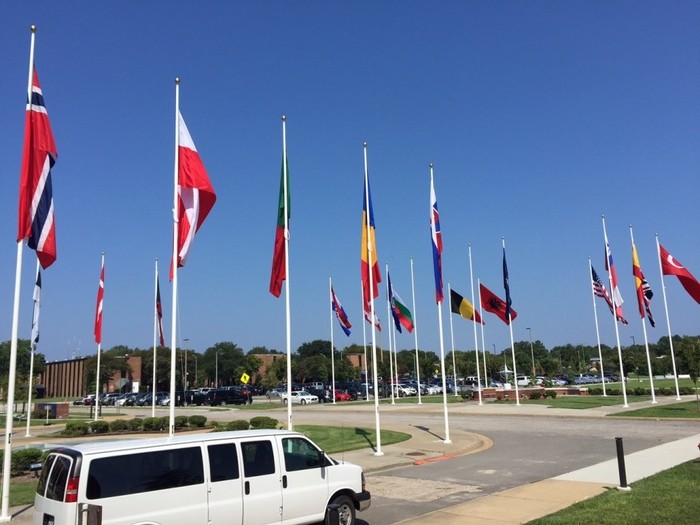
SEESAC shared lessons learnt and presented results achieved through the Gender Equality in the Military project in the two-day Gender Perspectives Seminar held by NATO’s Allied Command Transformation in coordination with the Nordic Centre for Gender in Military Operations in Norfolk, Virginia, USA, on 7 – 8 September
2016.
The goal of the seminar was to increase the knowledge of how gender can be integrated into the daily tasks in operational planning, execution and evaluation at strategic and operational level, while focusing on how to work with gender perspectives in a military and security environment and how these perspectives contribute to achieving the overall political, military, strategic and operational objectives.
Invited to share its experiences, best practices and lessons learned, SEESAC highlighted its work on advancing gender equality in the military in the Western Balkans through its project Support for Gender Mainstreaming in the Security Sector Reform in the Western Balkans.
“Gender equality and effective, accountable and inclusive institutions are an indispensable prerequisite for sustainable development,” UNDP SEESAC Senior Programme Coordinator Ms. Bojana Balon highlighted in her presentation. “The four-year project facilitated regional cooperation on gender equality in the military among Ministries of Defense in Bosnia and Herzegovina, Montenegro, Serbia and the former Yugoslav Republic of Macedonia. It contributed to increasing gender awareness in the
military, strengthening of gender equality mechanisms, and gender responsiveness of human resources policies with the aim to attract and retain women in the profession in the Western Balkans”.
The NATO’s Key leader seminar on Gender Perspective also addressed the ways that a military component at the strategic and operational level can bring positive change to the promotion and protection of women in armed conflict. Participants gained a wide-ranging knowledge about conventions, resolutions, guidelines and directives relevant for the military tasks. The seminar also focused on better understanding of how gender is used as an operational tool and a force multiplier, about the role
and effect of women in armed forces with regard to the mandates received in modern conflicts, but also the role Key leaders serve when combatting Conflict-Related Sexual and Gender-Based Violence.