
SEESAC presents results of its Arms Export Control Project at the Regional Seminar on ATT Implementation for OSCE countries
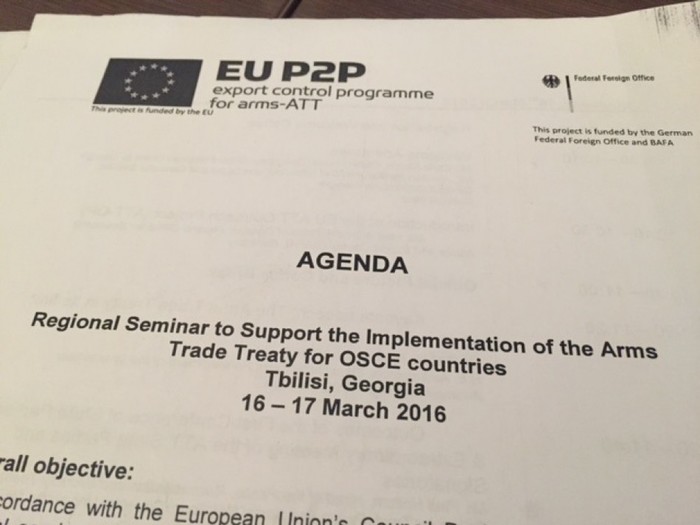

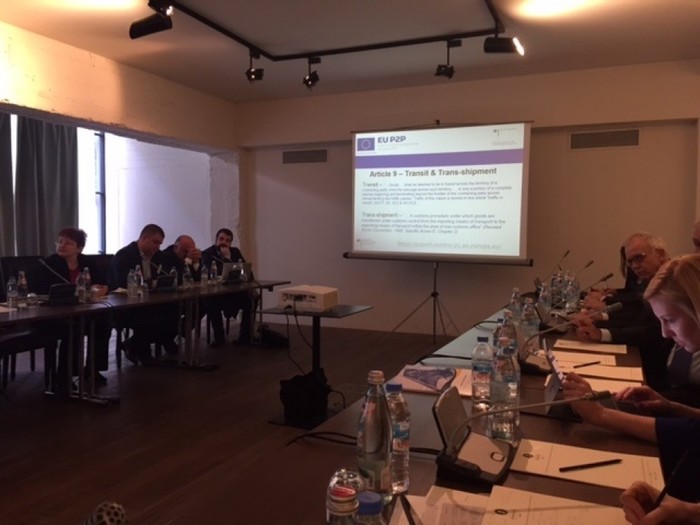
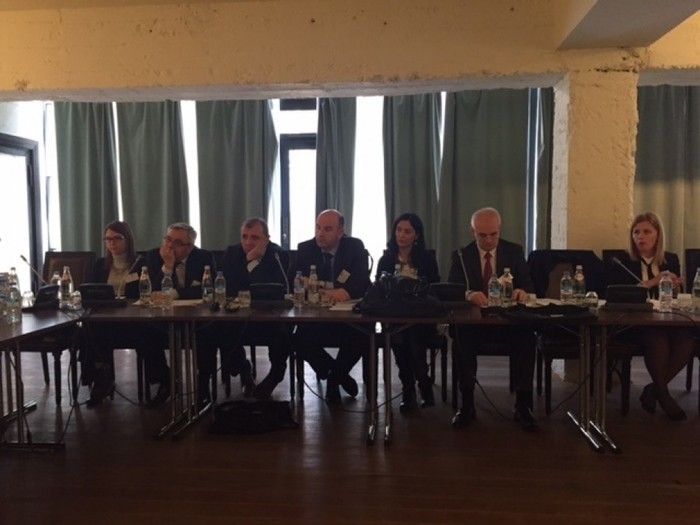
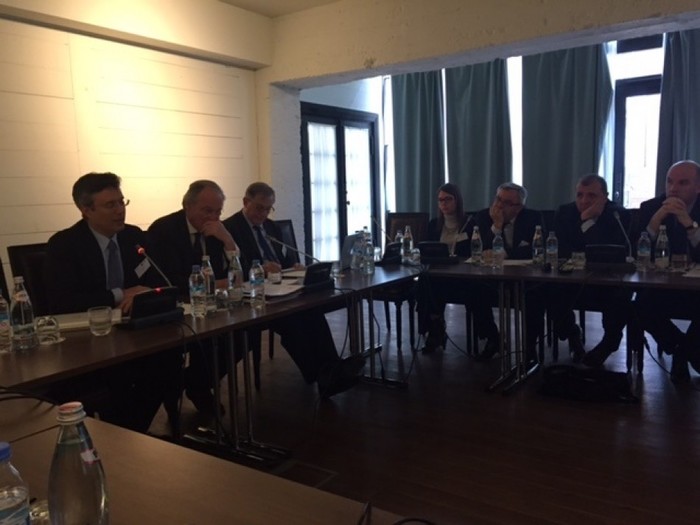
SEESAC presented results of its Arms Transfers Control Programme at the Regional Seminar to Support the Implementation for the Arms Trade Treaty (ATT) for OSCE countries held in Tbilisi Georgia from 16-17 March 2016 and organized by Germany’s Federal Office for Economic Affairs and Export Control (BAFA). Arms Transfers
Control Programme (ACP) in the Western Balkans, generously supported by the Ministry of Foreign Affairs of the Kingdom of Norway, worked for over 9 years with the relevant institutions of Albania, Bosnia and Herzegovina, Croatia, Montenegro, Serbia and the former Yugoslav Republic of Macedonia, building regional confidence, bolstering control mechanisms, increasing transparency and enhancing knowledge transfer and information
sharing.
“The Programme focused on increasing transparency by strengthening national capacities for detailed record-keeping and accurate reporting on the trade in arms and military equipment in line with the requirements established by the EU Code of Conduct on Arms Exports and the recently adopted Arms Trade Treaty. All countries are now reporting on their
annual arms exports and some of the Western Balkan counties are among the most transparent in the world”, SEESAC Senior Programme Coordinatror said during her presentation.
With over 65 participants from different governmental and non-governmental bodies, the goal of this regional seminar was to provide a platform for discussion and information exchange on the implementation of the ATT in the OSCE countries and give information on the results of the First Conference of State Parties. National, regional and international stakeholders shared views and experiences about implementing ATT principles and provisions, including both effective practices and implementation challenges. Participants also worked in breakout groups on specific ATT requirements, including presentations and discussions on controlled items and activities, on record keeping and reporting obligations as well as on transit, diversion and physical security provisions.
About Arms Transfers Control Programme
Under the auspices of its Western Balkans Arms Transfers Control Programme (ACP), generously supported by the Ministry of Foreign Affairs of the Kingdom of Norway, SEESAC has been working with the authorities of Albania, Bosnia and Herzegovina, Croatia, Montenegro, Serbia, and the former Yugoslav Republic of Macedonia as they work to further strengthen their national arms
transfer control capacities.
Transparency, regional cooperation and confidence building among the countries of the Western Balkans was further increased with:
- a joint Regional Report on Arms Exports– a practice shared only by the European Union (seven regional reports on arms exports have been published and are all available from SEESAC’s website).
- Regional Information Exchange Process (RIEP), that brings together licensing authorities from Albania, Bosnia and Herzegovina, Croatia, the former Yugoslav Republic of Macedonia, Montenegro and Serbia, for an open exchange of practices, information, challenges, and tested solutions (15 meetings held).
- Different products such are: Knowledge Exchange Platform and The Weapons Categorization Tool.
The Western Balkan countries exported over $1.6 billion worth of arms and military equipment between 2007 and 2013. Significant military industry and considerable surpluses of weapons make arms transfers an important component of this region’s economies. At the same time, appropriate control of the arms trade is key to regional and international peace and security.