
SEESAC Supports a 5-Day Course on Gender in Peace Support Operation
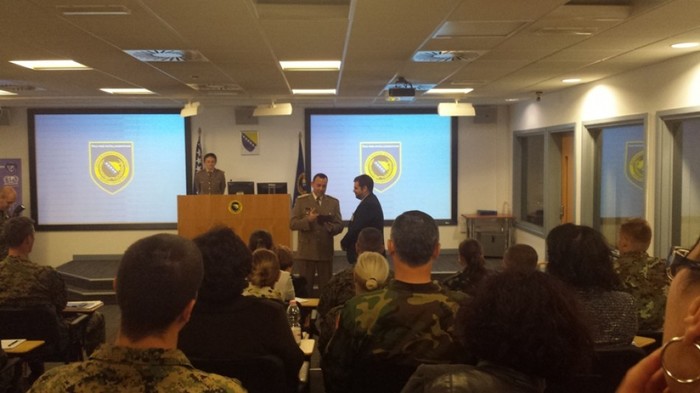
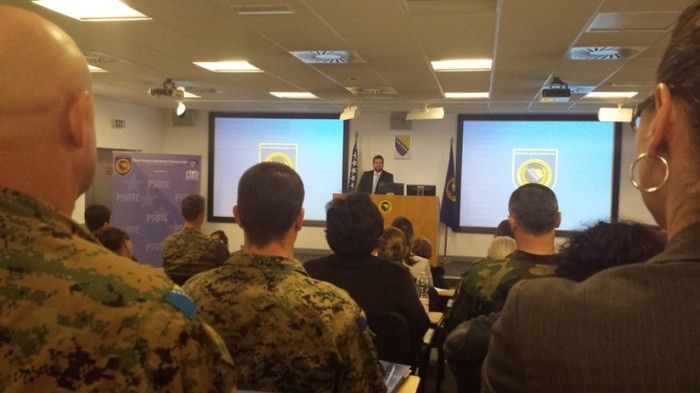
From 21 to 25 October 2013, the Peace Support Operations Training Centre (PSOTC) together with SEESAC is conducting a full-week course on the Utility of Gender in PSO, in Sarajevo, Bosnia and Herzegovina.
Designed for mid-level decision makers from the military, the police, government institutions as well as non-governmental organizations (NGOs), the course aims to increase awareness and provide a conceptual understanding of gender issues in the security sector.
It has a particular focus on Peace Support Operations (PSO) and how missions need to communicate with women in the society they are tasked to protect in order to be successful. The lectures cover topics such as Identity, Stereotypes and Prejudices, the Role of Women in Peacekeeping Operations, Protection of Civilians, and Disaster Relief and Development Support Operations.
SEESAC not only supported the participation of several national representatives at the course, but ensured the attendance of a key expert on the issues related to gender equality in the military. The provided support was secured through SEESAC’s Gender Equality in the Military project.
The course was designed and developed by Peace Support Operations Training Centre (PSOTC) in close cooperation with Naval Postgraduate School (NPS) the United States PfP Training Centre in Monterey, California, Ministry of Security and Ministry of Defence BIH, UN Women office in Bosnia and Herzegovina, in order to overcome deficiencies and training gaps related to identified educational needs in the wider region.
ABOUT THE GENDER EQUALITY IN THE MILITARY PROJECT
SEESAC's project Gender Equality in the Military is assisting Ministries of Defense in Bosnia and Herzegovina, the former Yugoslav Republic of Macedonia, Montenegro and Serbia to ensure better integration, retention and professional development for women in the armed forces as well as stronger participation of women in decision-making and gender sensitive change in their organizational cultures.