
SEESAC Publishes the 6th Regional Report on Arms Exports
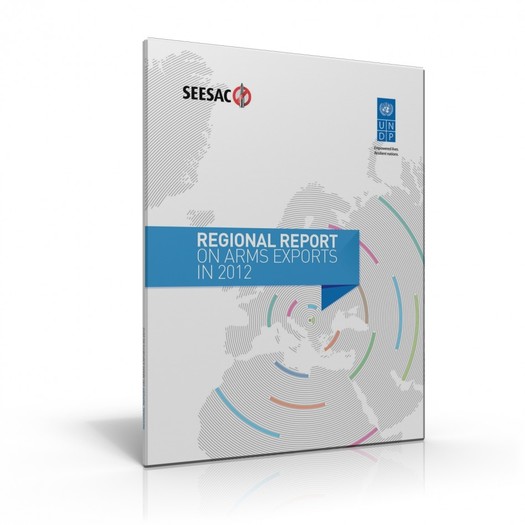
The Sixth Regional Report on Arms Exports containing information on the arms exports conducted by Albania, Croatia, Bosnia and Herzegovina, Montenegro, Serbia and the former Yugoslav Republic of Macedonia, based on licences issued in 2012, has been published and is now available on line. The Report is a direct result of a joint effort made by six countries from the Western Balkans to offer a detailed breakdown of their arms export activities. It closely follows the example set by the European Union, which publishes the only similar regional report on arms exports on an annual basis.
Apart from providing data on the number of issued licenses, the values of these licenses in Euros, and the value of the actual arms exports that took place in Euros, the Report also indicates the countries of destination and the types of equipment that have been exported. Accompanying extensive infographics, depicting the exports to different geographical regions and worldwide, help make the main trends and activities in the field of arms exports more easy to identify.
As was the case in previous years, the report also provides a summary of relevant national legislation on arms export controls, as well as information on relevant meetings and events attended by the participating Western Balkan states in 2012. Additionally, contact information of the national institutions relevant to the process of arms export control is provided.
SEESAC has been publishing regional reports on arms exports since 2009 under the auspices of its Arms Transfers Control Programme in the Western Balkans project generously supported by the Kingdom of Norway.
The idea to produce an annual regional report on arms exports of the relevant Western Balkan states was first discussed at EU outreach events in Serbia (December 2007) and Slovenia (May 2008). Under the auspices of SEESAC, an agreement was finally reached to produce a regional report at a conference in Montenegro in June 2009. The national reports that these states produce contain detailed information on the relevant arms exports on an annual basis. The national reports are used as a primary source of information on each country’s trade.
The production of a regional annual report on arms exports is intended to help consolidate the gains in transparency that have already been made in the region, while also demonstrating an ability and willingness to uphold the commitments associated with the Council Common Position 2008/944/CFSP, defining common rules governing the control of exports of military technology and equipment.