
SEESAC Presents Trends on the Use of Fire Arms in Serbia & its Oružje na meti (Targeting Weapons) Analysis
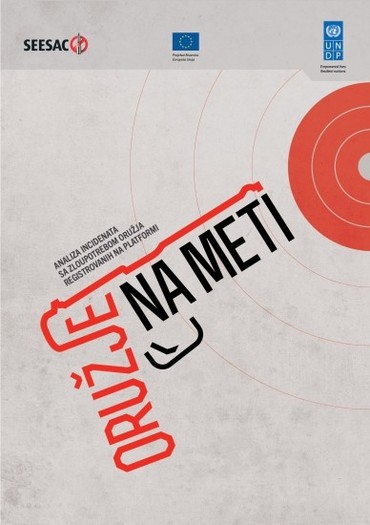
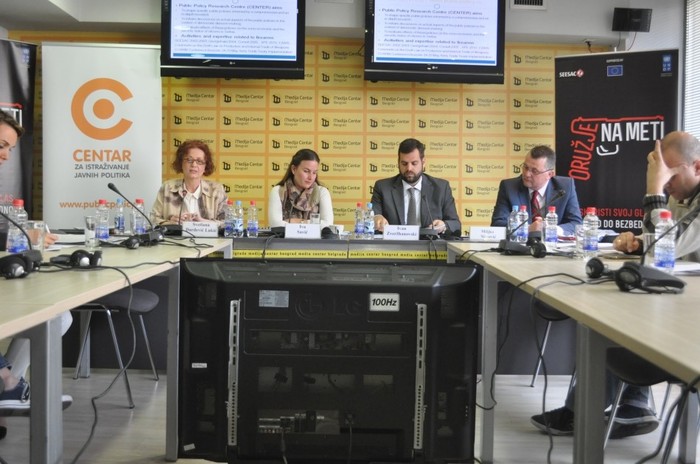
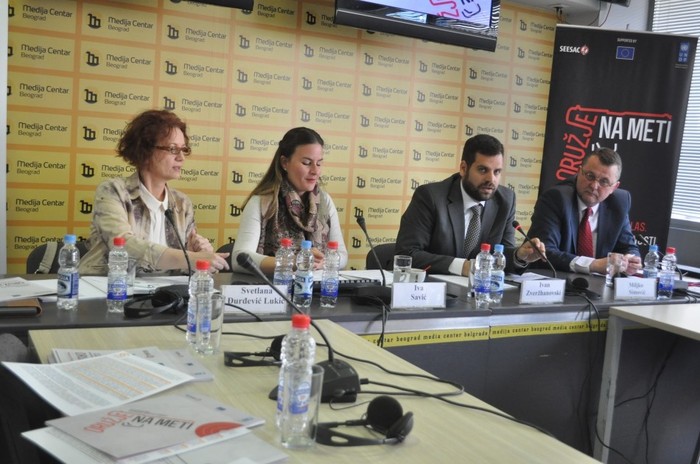
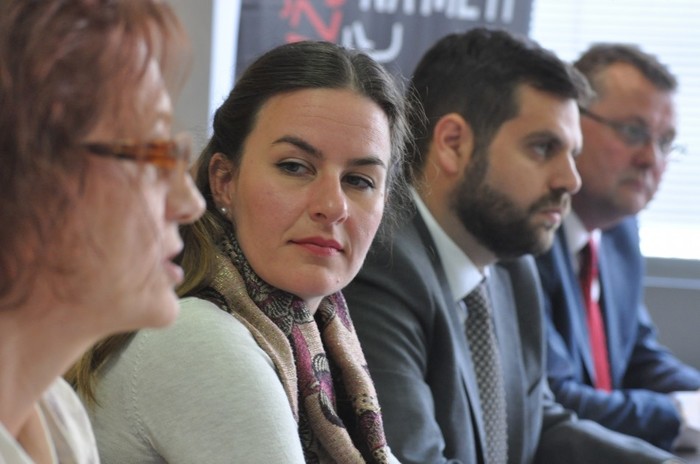
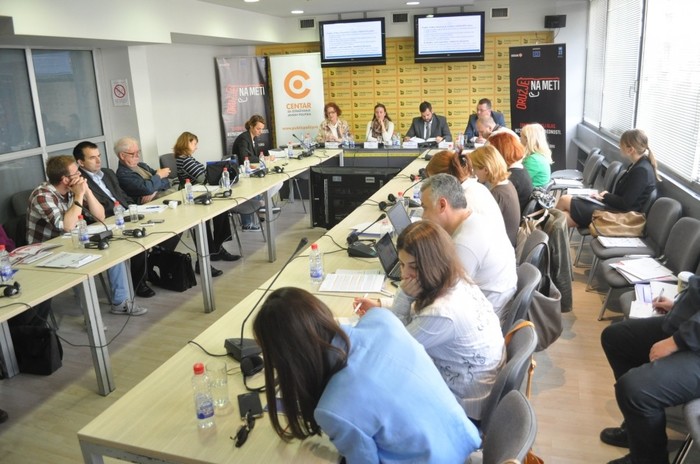
BELGRADE – SEESAC held a roundtable discussion on the trends in the use of weapons in Serbia and presented its new publication “Oružje na meti” (Targeting Weapons), on Friday, 29 May 2015 in Belgrade. The publication is an analysis of data gathered via “Oružje na meti,“ a web-based platform established by SEESAC in 2012, providing a space for the citizens of Serbia to express their opinion on the ‘gun culture’, as well as to report
circumstances or situations when weapons were seen or used. The platform also serves as a data base of media reports on firearms incident across the country over the past two years.
“We want to begin the dialogue about what these finding mean and how we can best use them to make state institutions more effective in combating firearms incidents and violence”, SEESAC Coordinator Dr. Ivan Zveržhanovski said. He explained that the analysis indicates the existence of trends related to gender-based and family-based violence, and draws conclusions about the most frequent victims and perpetrators of armed violence, as well as the circumstances surrounding these incidents.
“We wanted to scratch the surface with this project and give Serbian citizens an opportunity to tell us what they really think of firearms”, SEESAC Project Officer Iva Savic said. She explained that the information gathered can be used to create a meaningful strategy and action plan to combat illegal weapons, as well messages for legalization campaigns much like the one that is coming to an end in Serbia.
According to the SEESAC analysis, weapons in Serbia are mostly used in criminal activities (65 percent), in arguments over money, property or jealously (16 percent), family violence (11 percent), Director of the Centre for Public Policy Research Svetlana Djurdjevic-Lukic, who conducted the analysis explained.
Most incidents with firearms take place in urban areas (75 percent), out of which one third occurs at home and one fourth on the street, she said. Majority of weapons used belong to a category that can be legalized, she added explaining that these are mostly guns and revolvers.
Even though 83 percent of victims are men, there is a strong gender-based aspect present. “Mortality rates for women are significantly higher compared to men. Women die in 44 percent of incidents when they are victims, while mortality for men is 34 percent“, Djurdjevic-Lukic said. Number of deaths in domestic violence (12) is higher than deaths over crime related fire arms violence (11), she explained adding that “domestic violence (50 percent) and arguments over money or property (18
percent) are the most frequent reasons behind the attacks on women.”
Serbian Ministry of Interior representative and Head of the SALW Commission of the Republic of Serbia, Miljko Simovic said Serbia has 1 million 13 thousand registered firearms. “4900 firearms have been legalized during this last campaign”, he said adding that 700 bombs have been handed over, as well as 110 000 pieces of ammunition. “Legalization ends on June 4 and will not be extended”, Simovic said.
Serbia adopted a long-awaited Law on Weapons and Ammunition in February this year. SEESAC is supporting the Ministry of Interior in implementing a three-month long awareness raising campaign on legalization of illicit arms (4 March – 4 June 2015) “Iskoristi Priliku” (Use the Opportunity) aimed at informing the public about how to legalize illicit weapons and why it is important to do so.
SEESAC provides support to national and regional stakeholders in strengthening their capacities to control and reduce the proliferation and misuse of small arms and light weapons and in this way contribute to stability, security and development in South East Europe (SEE). European Union supports SEESAC’s disarmament and arms control activities in SEE through the Council Decision 2013/730/CFSP, from 9 December 2013.
Detailed analysis is available in Serbian and in English, as is Serbian and English info graphic.
Summary of the findings is also available in English.