
Reviewing progress and plans in arms control in Southeast Europe – Regional Steering Group on SALW annual meeting held in Belgrade, Serbia.
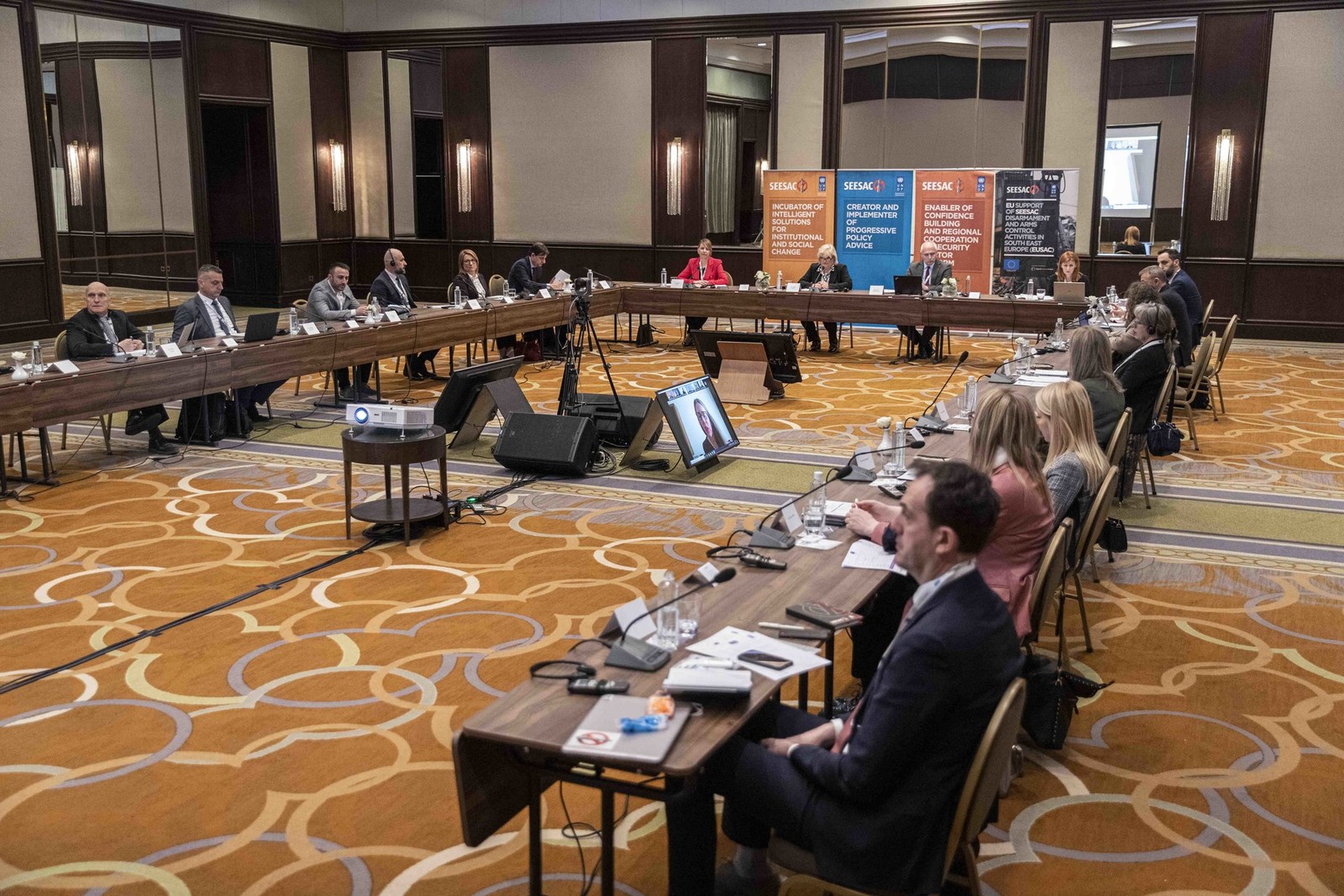
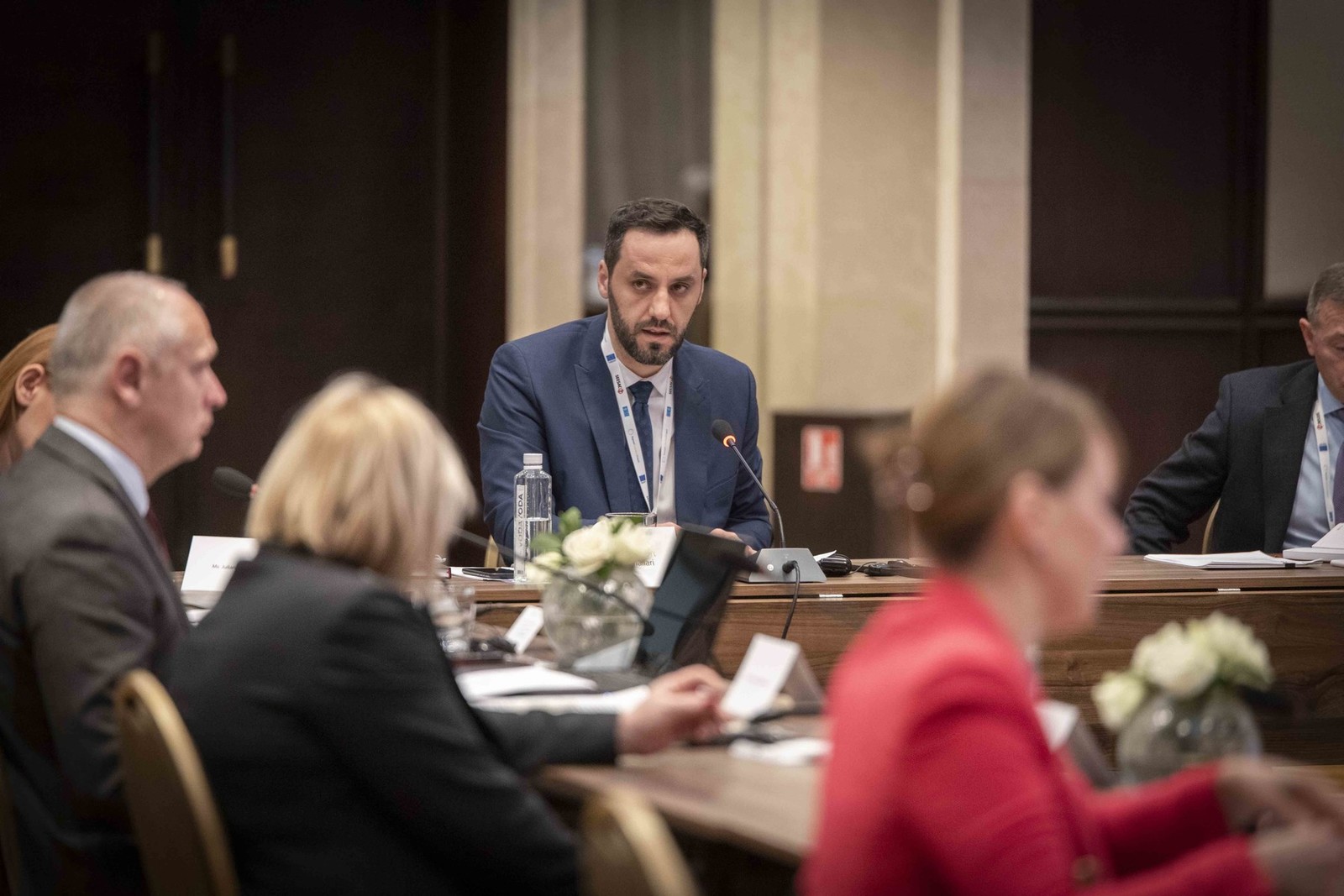
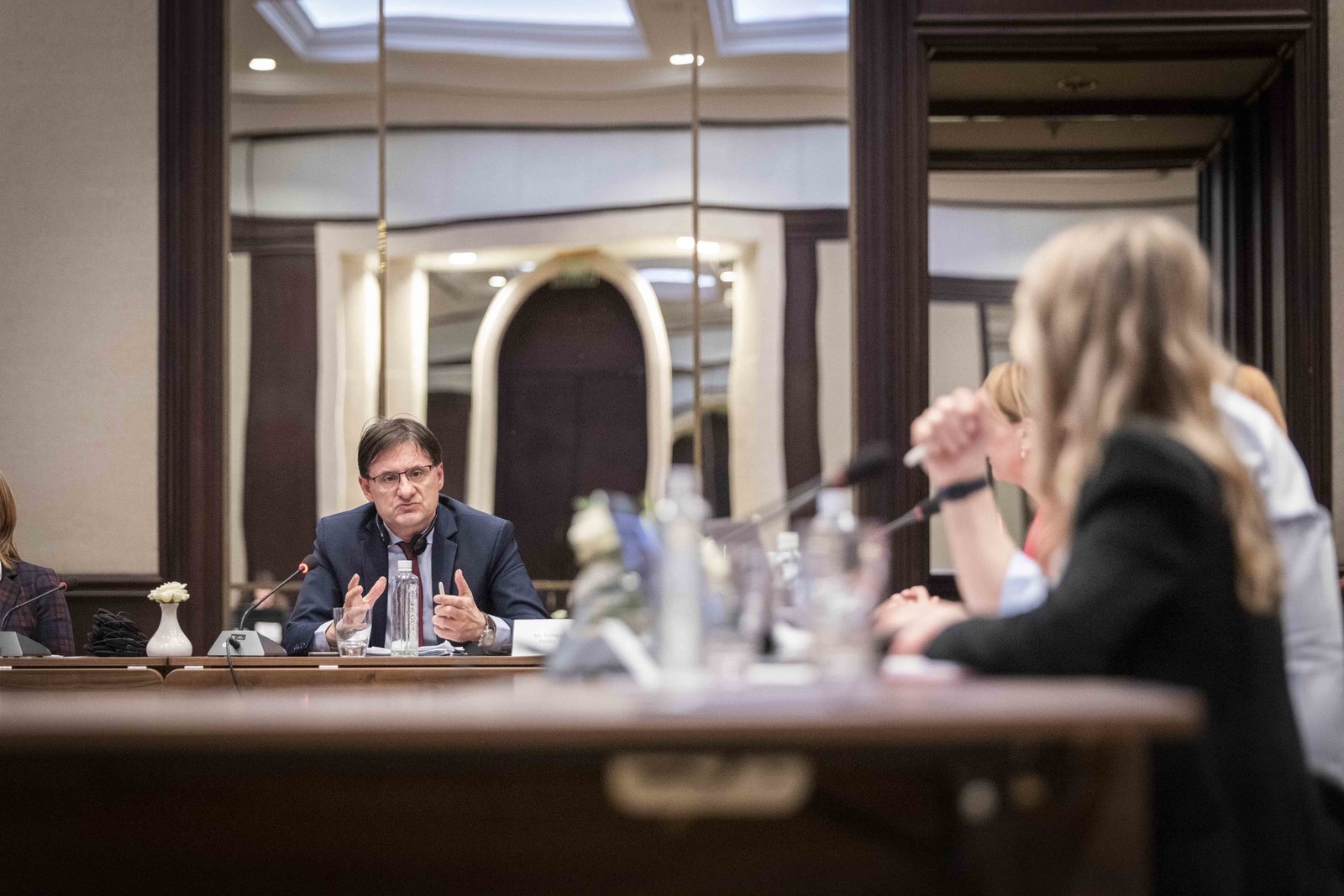
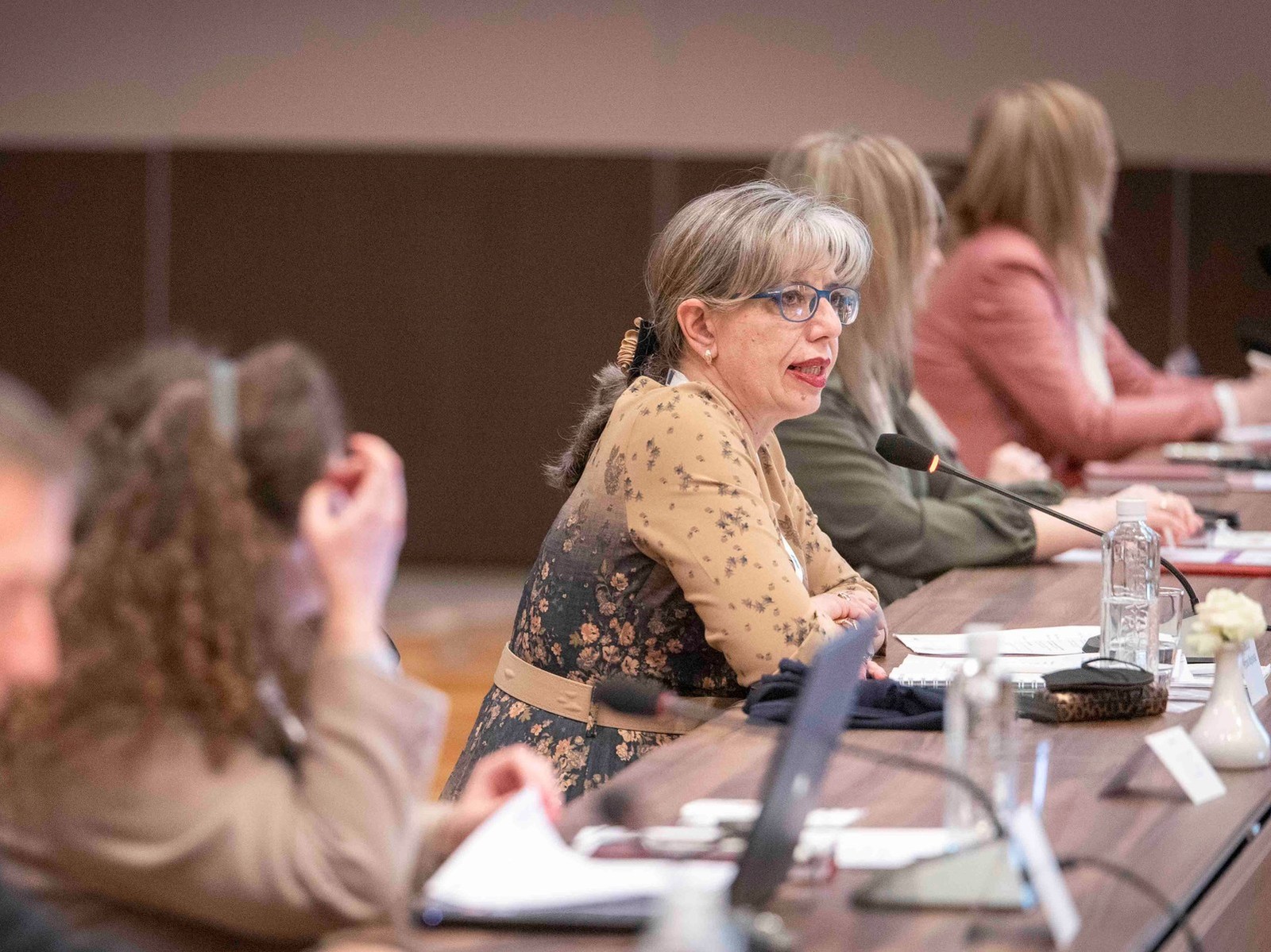
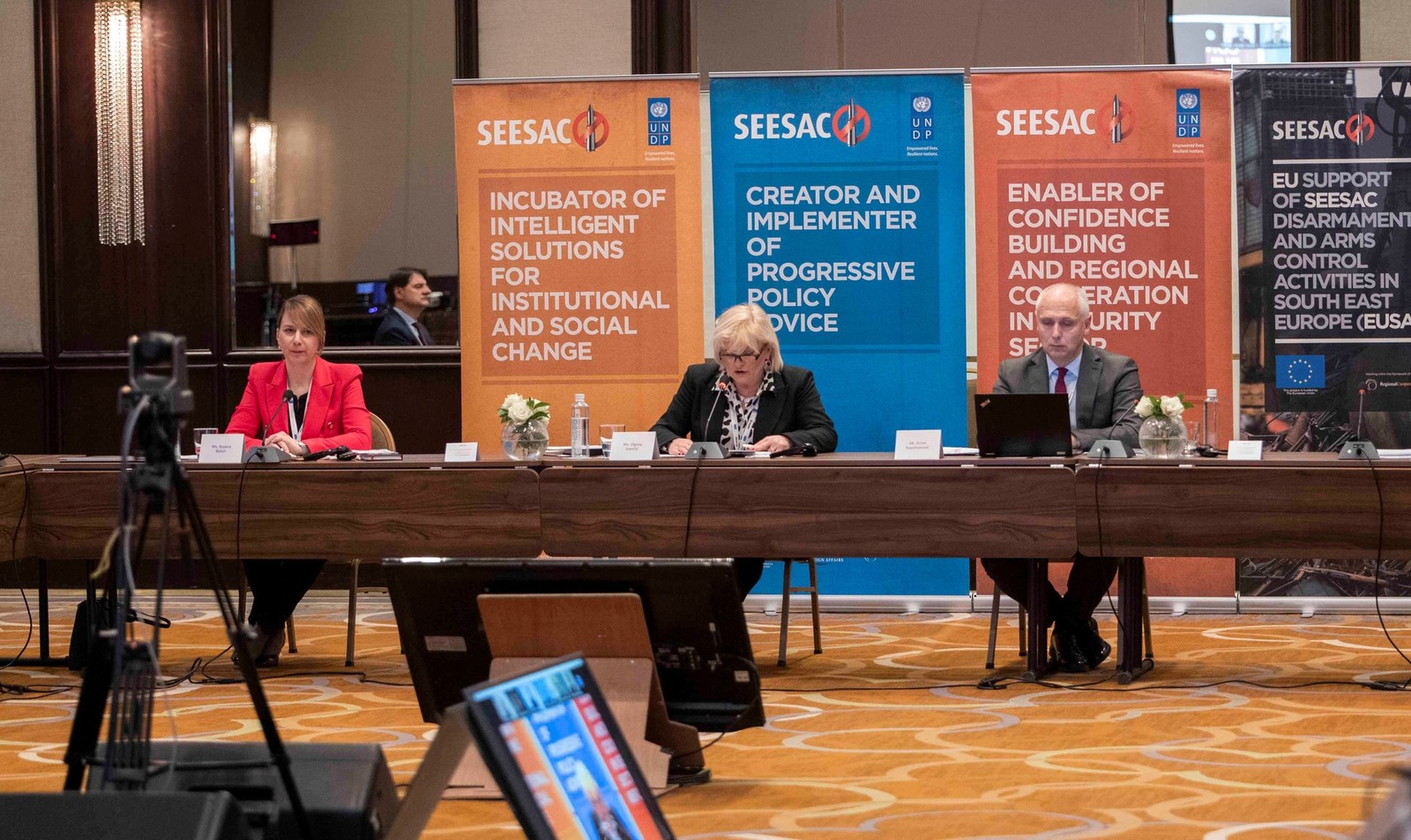
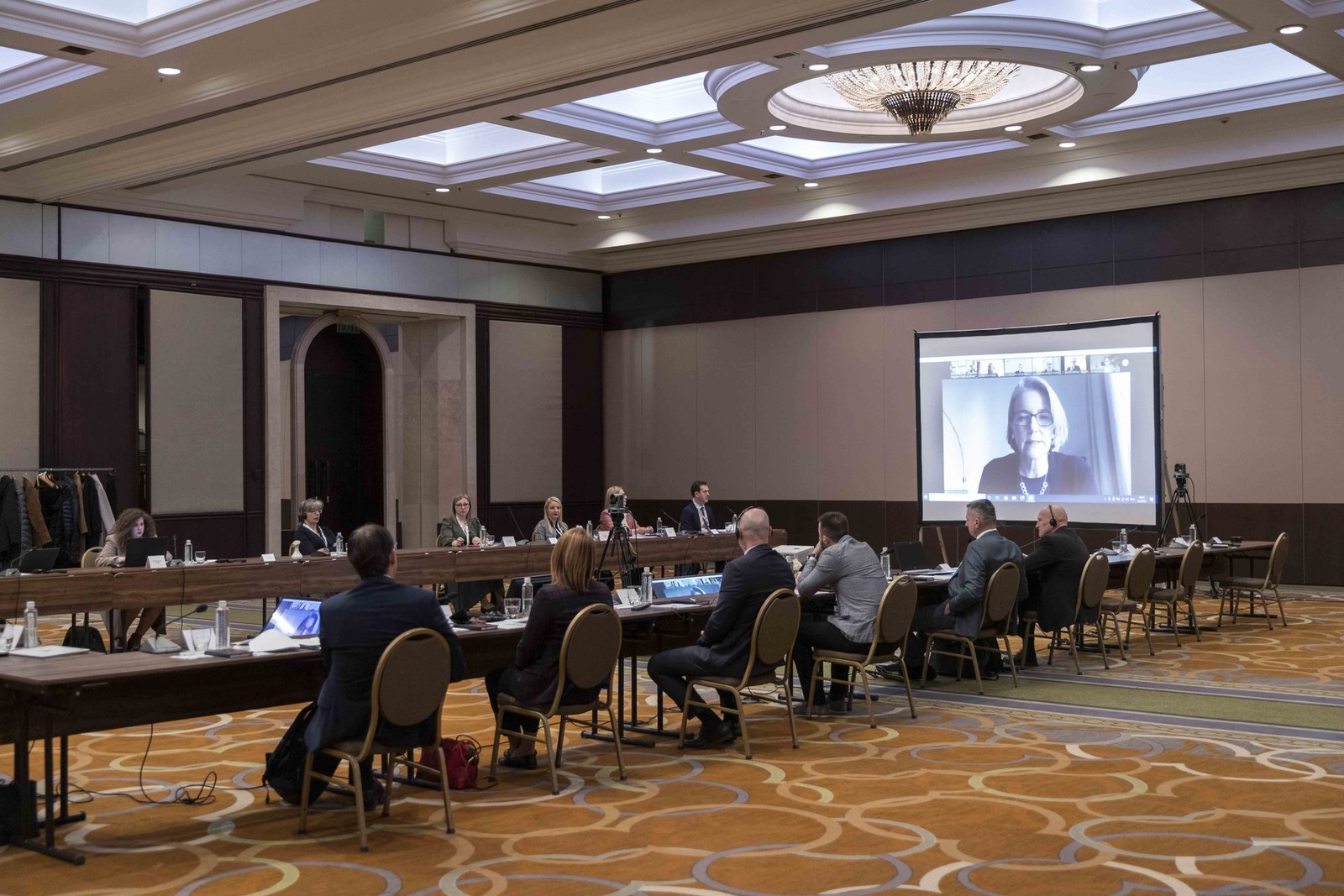
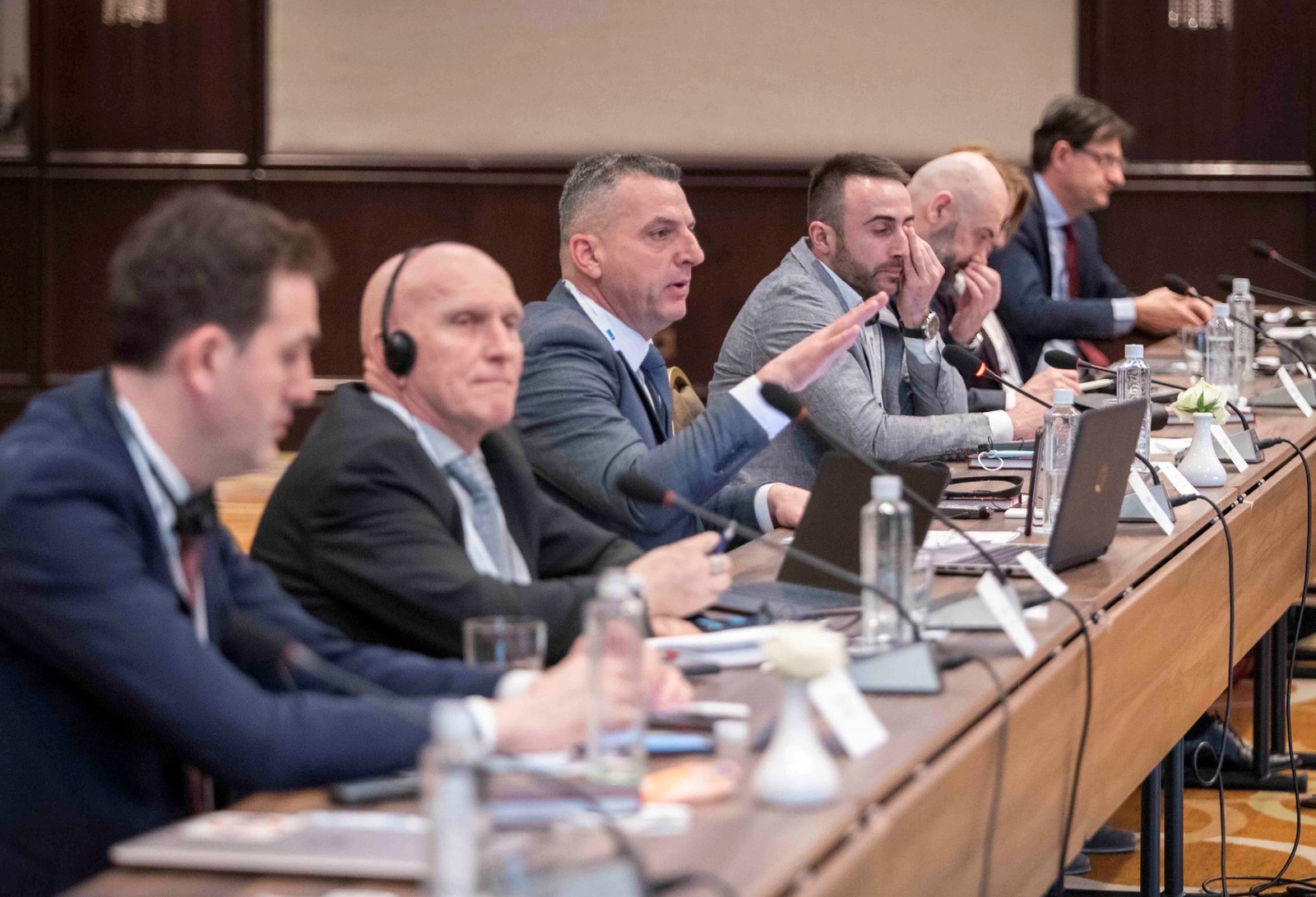
The Regional Steering Group (RSG) on Small Arms and Light Weapons (SALW) Annual Meeting was held on 9 March 2022 in a hybrid set-up. Co-chaired by the Regional Cooperation Council (RCC) and the United Nations Development Programme (UNDP), the meeting was attended by National Focal Points for SALW, or their representatives, from Albania, Bosnia and Herzegovina, Moldova, Montenegro, North Macedonia, Bulgaria, and Croatia. The meeting also gathered representatives of the UNDP Country Offices in South East Europe, European Union, EMPACT, EUFOR, EUROPOL, FRONTEX, OSCE, BAFA, Flemish Peace Institute, Interpol, NATO, UNODC, UNODA, PCC SEE Secretariat, RACVIAC, SELEC, Small Arms Survey, ITF Enhancing Human Security, HALO Trust. Key donor countries: Germany, France, Norway, Sweden, United States, Slovenia, Italy, and Switzerland also attended the meeting.
National focal points of the RSG on SALW informed about the key results achieved in 2021 and their priorities related to SALW control for 2022, while key partners and donors provided updates on their current and planned support in the upcoming period.
Opening remarks were given by Ms. Dijana Ivančić, Assistant Minister for Security Policy, Ministry of Foreign Affairs, Republic of Serbia, Amb. Marjolijn van Deelen, Special Envoy for Non-proliferation and Disarmament, European Union External Action Service, Mr. Amer Kapetanović, Head of Political Department, Regional Cooperation Council and Mr. Gerd Trogemann, Manager, UNDP Istanbul Regional Hub.
Ms. Francine Pickup, UNDP Resident Representative in Serbia facilitated the opening session and welcomed all participants in the meeting, expressing her pleasure at hosting SEESAC in Belgrade.
Ms. Dijana Ivančić, Assistant Minister for Security Policy, Ministry of Foreign Affairs, Republic of Serbia, stressed the importance of regional cooperation in the efficient control of SALW and highlighted SEESAC as an example that contributes to a safer environment in the region and beyond.
The EU plays a key role in combatting illicit accumulation, misuse, and trafficking of small arms and light weapons (SALW). In particular, the EU support in SALW control has been noteworthy in South East Europe, where the EU is the largest contributor to arms control and disarmament. To this purpose Amb. Marjolijn van Deelen, Special Envoy for Non-proliferation and Disarmament, European Union External Action Service, as other speakers at the opening, commended the authorities in the region for their steadfast determination to more effective, accountable, and inclusive national institutions in SALW control, and congratulated SEESAC on its 20th anniversary. She further stressed the important role that SALW control plays within the EU common foreign and security policy in light of a full-fledged war on the EU’s border.
Mr. Gerd Trogemann, Manager, UNDP Istanbul Regional Hub, as the Co-Chair of the RSG, stressed that from its onset in 2002, SEESAC has actively supported governments in the region in developing a number of signature solutions rooted in strong partnerships, local ownership, and regional cooperation.
Mr. Amer Kapetanović, Head of Political Department, Regional Cooperation Council, as the Co-Chair of the RSG, emphasized the fact that the fight against the illegal possession, misuse and trafficking of SALW in the SEE is conducted jointly, through the cooperation of all governments in the region, and with strong support by the international partners, which resulted in the development of the Western Balkans SALW Control Roadmap that is now considered as a blueprint for other initiatives on SALW control globally.
Regional Steering Group on Small Arms and Light Weapons (RSG)
The Regional Steering Group on Small Arms and Light Weapons (RSG) meeting, organized on annual basis since 2002, is composed of representatives of the governments of Albania, Bosnia and Herzegovina, Bulgaria, Croatia, Montenegro, the Republic of Moldova, North Macedonia, Romania and Serbia, and co-chaired by the RCC and UNDP. Institutions and international organizations such as the European Union (EU), North Atlantic Treaty Organization (NATO), Organization for Security and Co-operation in Europe (OSCE) are usually part of the RSG in quality of observers.
The RSG meeting:
• Monitored progress in the implementation of the Regional Implementation Plan to Combat the Proliferation and Impact of Small Arms and Light Weapons;
• Provided a forum for the exchange of information on current and future SALW control activities in the region and challenges encountered;
• Reviewed national and regional SALW control priorities;
The meeting is organized with funding support provided by the European Union through EU Council Decision (CD) 2019/2111 adopted on 9 December 2019 in support of SEESAC disarmament and arms control activities in South-East Europe reducing the threat of illicit small arms and light weapons and their ammunition.