
Representatives of the MoDs and AFs in the Western Balkans discuss Internal Mechanisms for Gender Related Complaints
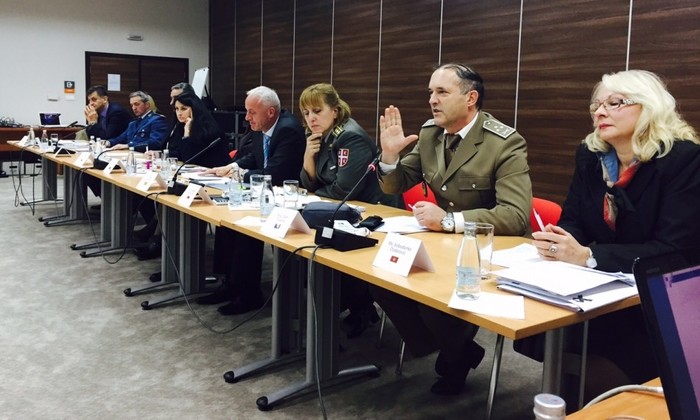
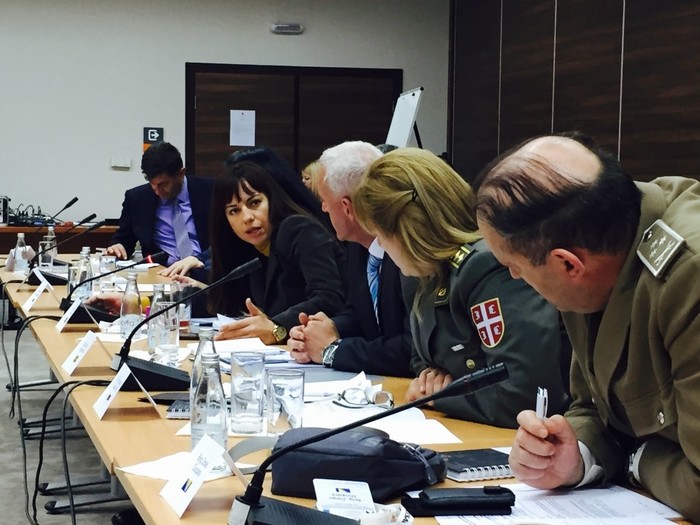
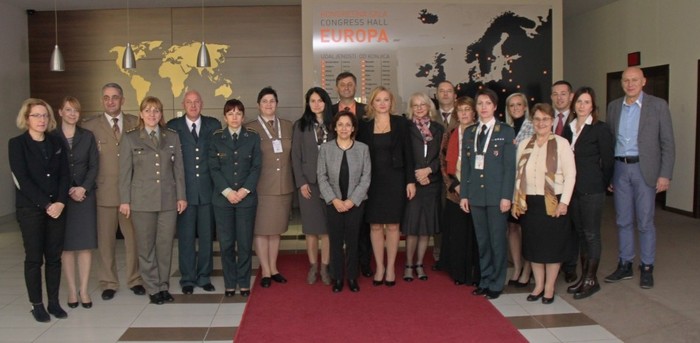
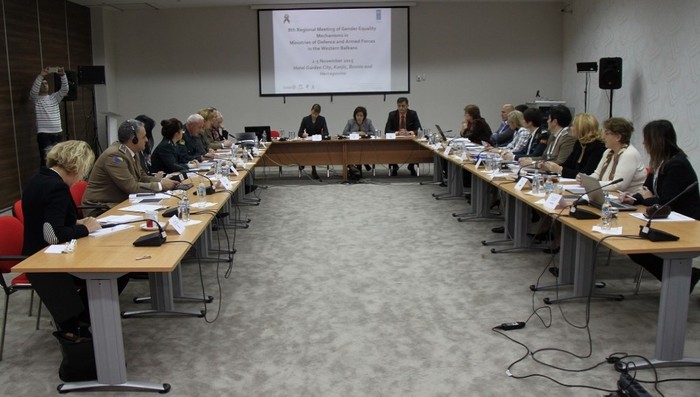
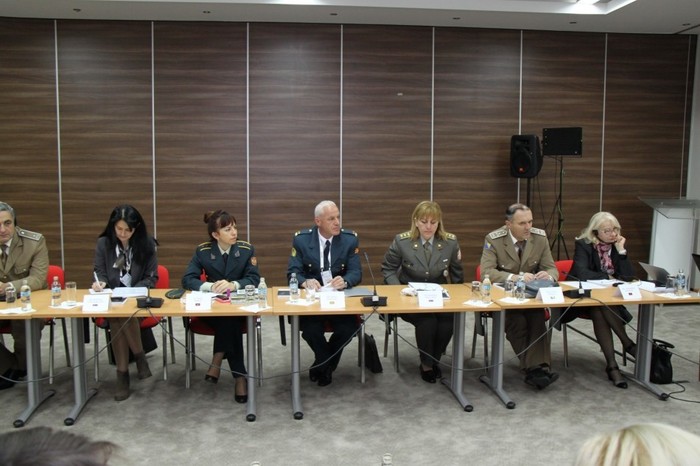
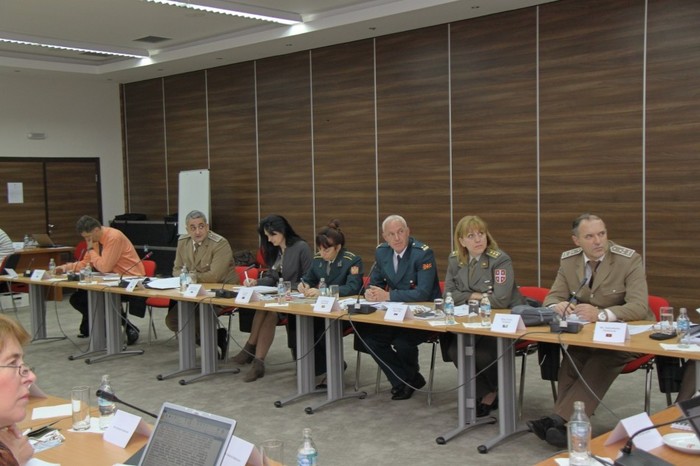
The Eighth Regional Meeting of Gender Equality Mechanisms in Ministries of Defence (MoD) and Armed Forces (AF) in the Western Balkans is held in Konjic, Bosnia and Herzegovina, on 3 and 4 November 2015 with the aim to enable networking, information exchange and experience sharing on the inclusion of gender perspective in defence. In particular, the focus of the 8th Regional Meeting is on internal mechanisms for gender related complaints.
The meeting gathered 17 representatives of gender equality mechanisms and internal complaints mechanisms from MoDs and AFs from BiH, Montenegro, Republic of Serbia and the former Yugoslav Republic of Macedonia. They discussed and developed measures to strengthen prevention of sexual harassment and gender based discrimination; measures to increase reporting; improve response to harassment and abuse; and monitoring and oversight.
In addition, the participants learnt from experiences of the Slovenian Armed Forces and the Irish Defence Force about internal complaints mechanisms, the role of the gender advisor, and implementation of gender equality and diversity policies. Breda Bunic from the MoD of Republic of Slovenia and Commandant Jayne Lawlor from the Irish Defence Force joined the meeting via conference call. In addition to this, DCAF's Megan Bastick presented recently published Handbook on Gender and Complaints in Armed Forces.
The Regional Meeting was opened by UN Resident Coordinator and UNDP Resident Representative in BiH Sezin Sinanoglu and Secretary of the Ministry of Defence in BiH Muhamed Smajić.
UN Resident Coordinator highlighted the adoption of the Sustainable Development Goals by the UN General Assembly in September 2015, and their relevance for gender equality. As we are marking the fifteenth anniversary of the UNSC Resolution 1325 on Women, Peace and Security, and the twentieth anniversary of the Beijing Declaration and Platform for Action, Sinanoglu commended the achievements of MoDs and AFs in the Western Balkans in making their armed forces more gender responsive. Among activities aimed at achieving a more conducive environment for the recruitment and retention of women in the military, she especially praised the achievements of the Regional Network of Gender Trainers. The Network raised gender awareness of more than 3,000 soldiers, non-commissioned officers, officers and civilians in the MoDs and AFs.
Secretary of the Ministry of Defence in BiH thanked the UNDP for continuous support provided through the Gender Equality in the Military Project in strengthening regional cooperation on gender equality in defence and expressed great satisfaction with results achieved throughout the implementation of the project. MoDs and AFs benefited greatly from the information exchange, knowledge sharing and learning from best practices as well as ways of overcoming challenges in the region, he said. The project contributed to increased gender awareness, improved human resources policies and practices, as well as strengthened gender equality mechanisms in the MoDs and AFs, Smajic added.
About THE GENDER EQUALITY IN THE MILITARY PROJECT
SEESAC's Gender Equality in the Military: Strengthening of Regional Cooperation on Gender Mainstreaming in Security Sector Reform in the Western Balkans project aims to create a more conducive environment for the advancement of women in the military in the Western Balkans. With this as its goal, SEESAC is supporting the Ministries of Defense in Bosnia and Herzegovina, Montenegro, Republic of Serbia and the former Yugoslav Republic of Macedonia in their efforts to ensure better integration, retention and professional development for women in the armed forces; stronger participation of women in decision-making; and gender sensitive change in their organizational culture.