
Regional Training for SEE journalists on SALW and Ammunition Identification
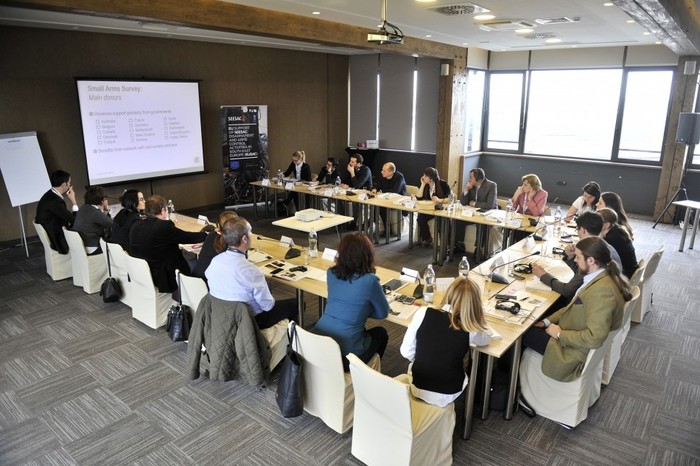
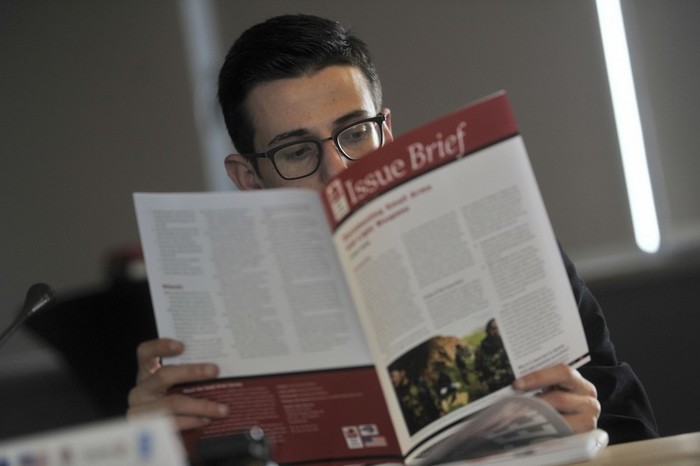
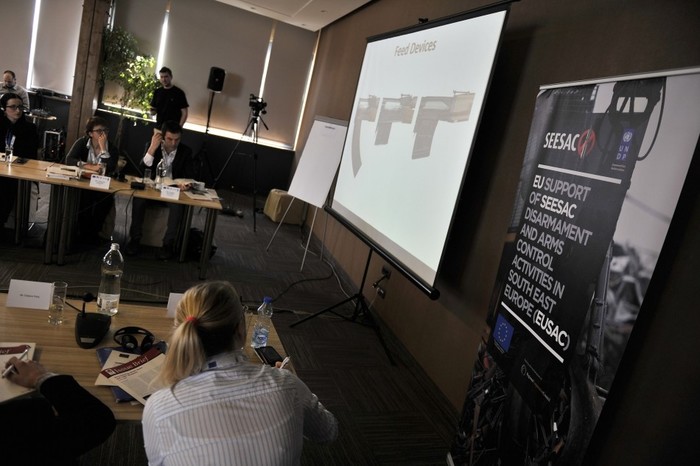
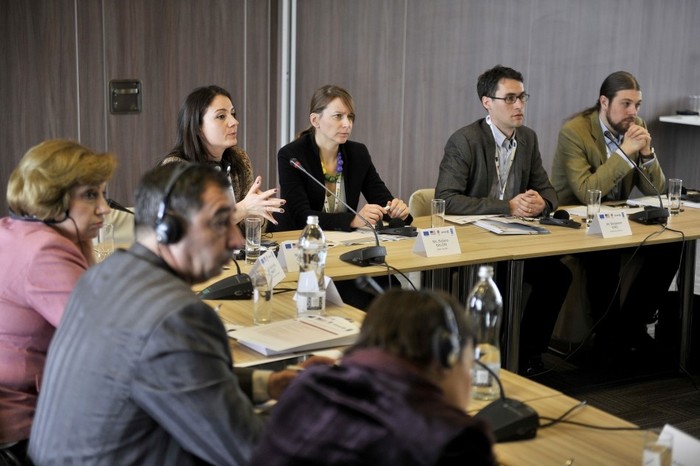
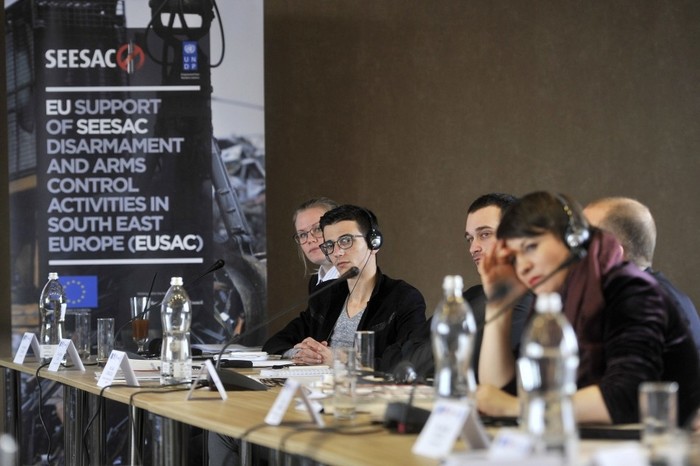
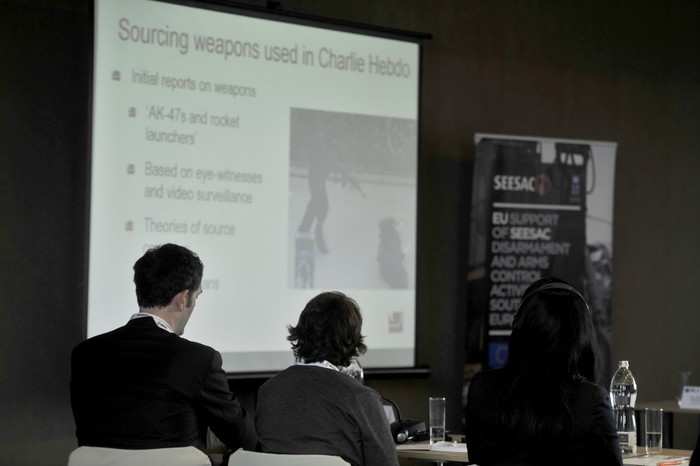
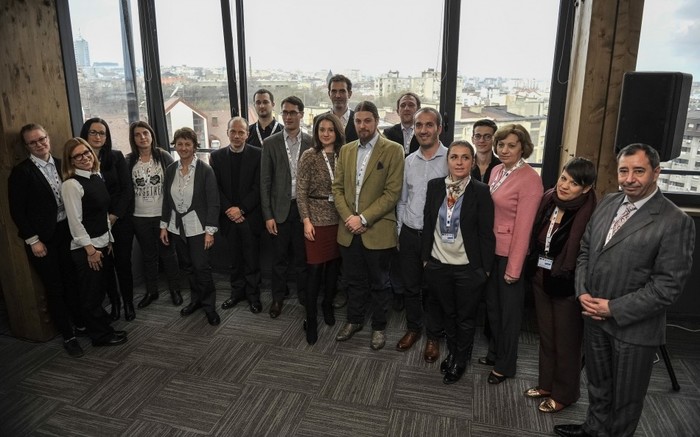
South East Europe Regional Media Training on Identification of Small Arms and Light Weapons (SALW) and Ammunition was organized in Belgrade on 8-9 March, 2016 for 13 journalists from major media outlets from South East Europe covering stories related to SALW.
Delivered by the Small Arms Survey (SAS), the training is facilitated through the EU Support of SEESAC Disarmament and Arms Control Activities in South East Europe Project (EUSAC), as part of its fifth component: Implementation of collection and awareness raising campaigns.
“The Media Training on Identification of SALW and Ammunition responds to an increasing interest in understanding the complexity and diversity of firearms and provides knowledge to journalists about what information is and should be valuable, how to document this information, and how to use it for further analysis”, SAS Researcher Benjamin King explained.
The topics covered include learning about the weapons and ammunition identification process, the legal and illicit arms trade, international framework to control small arms, including EU Firearms Directive, as well as contextualizing the illicit arms trade in South East Europe.
From the onset, UNDP SEESAC used regional approach to ensure that the threat posed by SALW to sustainable development is greatly reduced, SEESAC Senior Project Coordinator Bojana Balon said. Based on transparency, information sharing and networking the regional approach provided necessary basis from which change could take place, she explained adding that the same approach has been used in cooperation with Small Arms Survey and in facilitating the first regional media training in SEE on identification on SALW and ammunition.
ABOUT EUSAC
The flagship EU Support of SEESAC Disarmament and Arms Control Activities in South East Europe Project - EUSAC, under Council Decision 2013/730/CFSP is designed and implemented in close cooperation with national authorities through regional cooperation and works on five interrelated activities:
- Increased security of stockpiles: through the renovation and security improvements to storages of arms and ammunition.
- Stockpile reduction: through the destruction of surplus arms and ammunition held in storages.
- Improved marking, tracing and registration of SALW: through the provision of support to the establishment or enhancement of existing weapons registration and record-keeping systems.
- Improved regional cooperation on awareness raising, information sharing and knowledge transfer: through the facilitation of regional cooperation between national institutions tasked with arms control.
- Implementation of collection and awareness raising campaigns.