
Regional Steering Group on SALW meets for its annual session
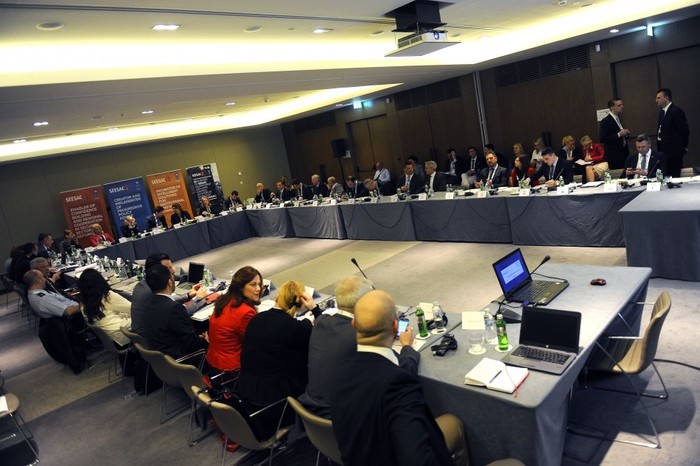
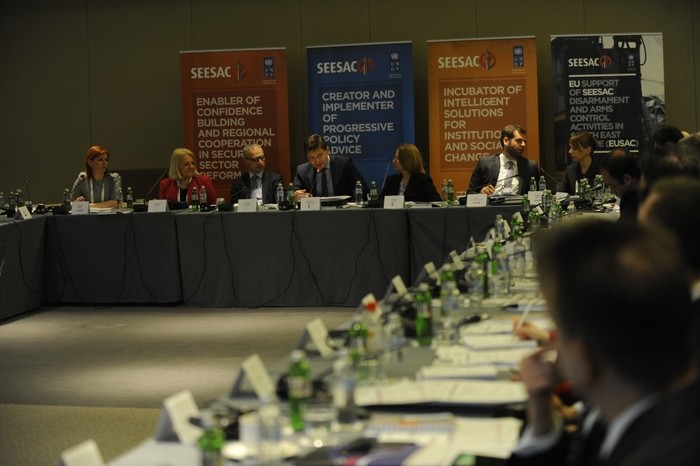
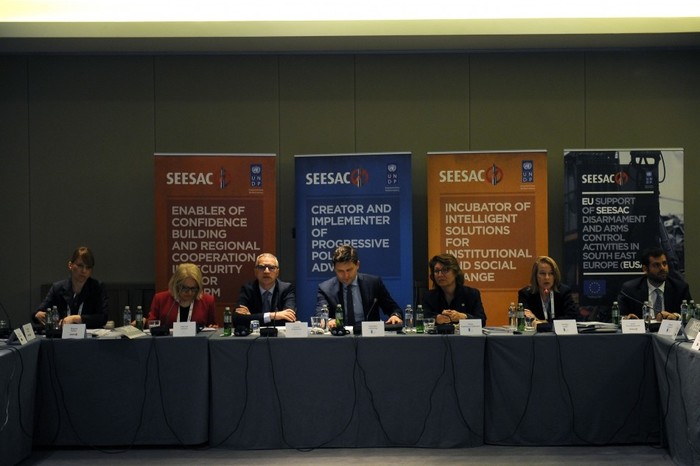
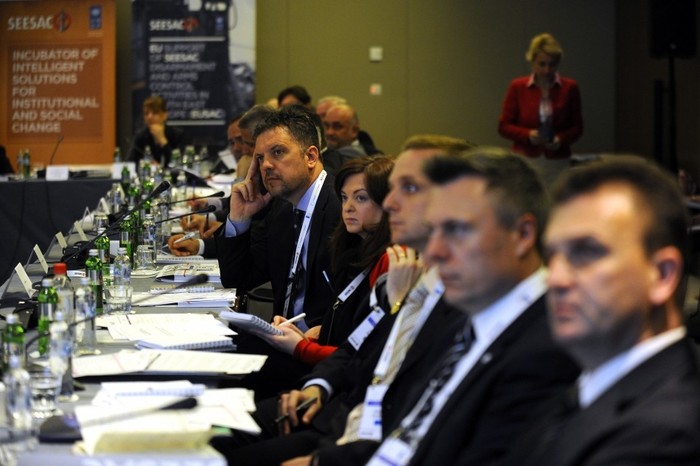
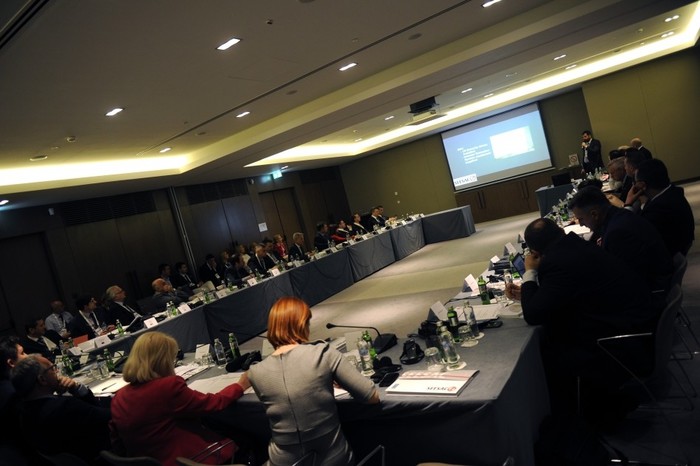
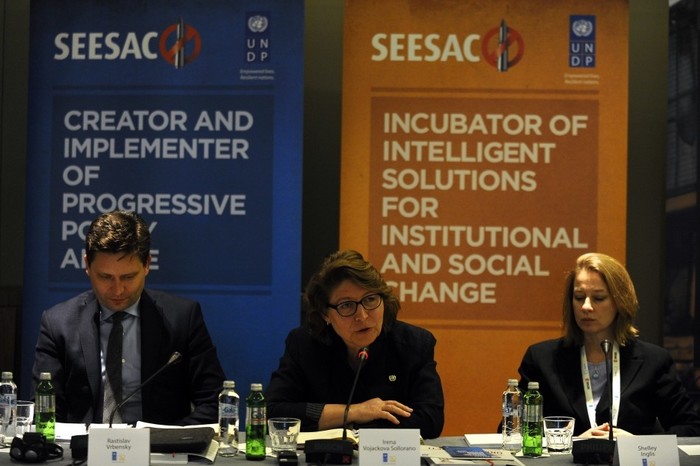
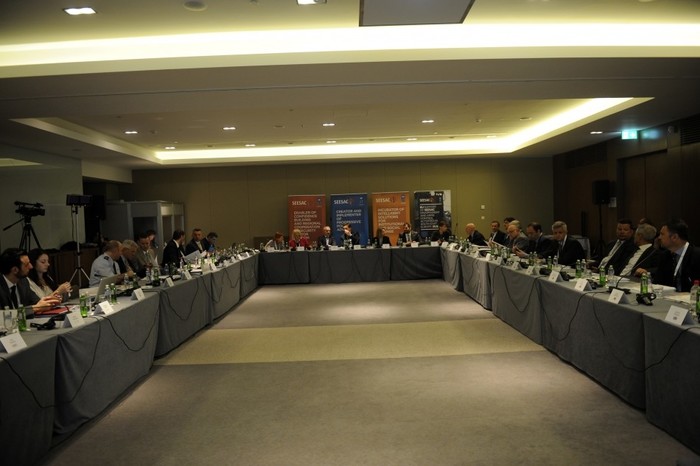
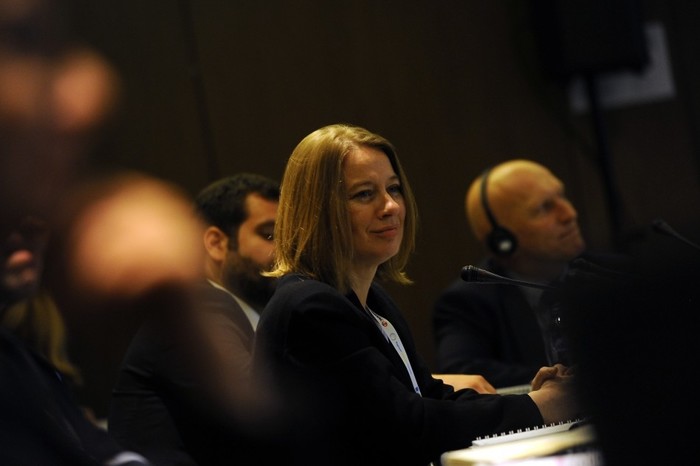
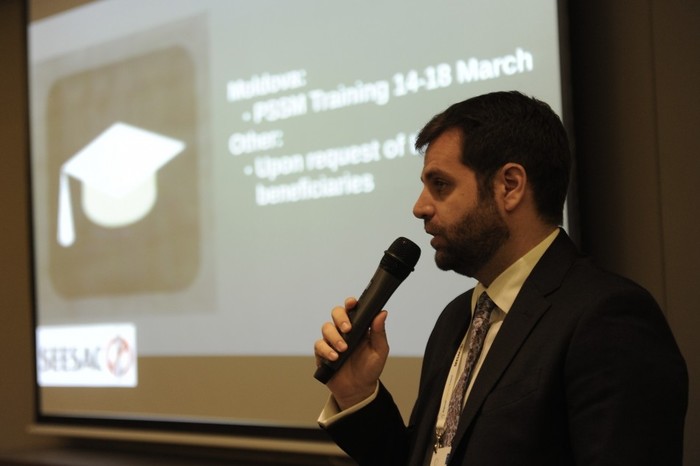
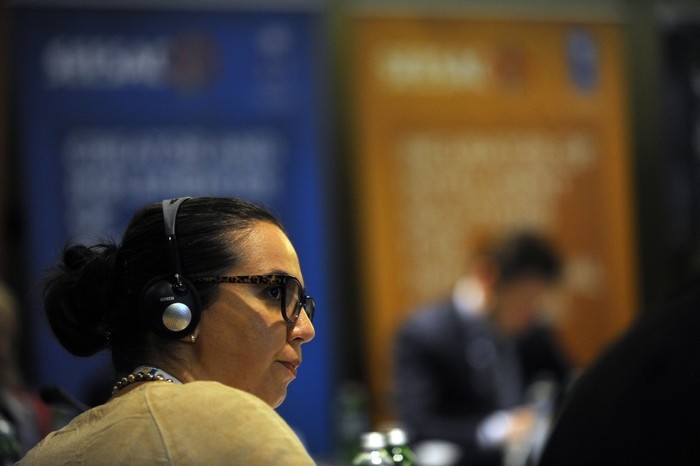
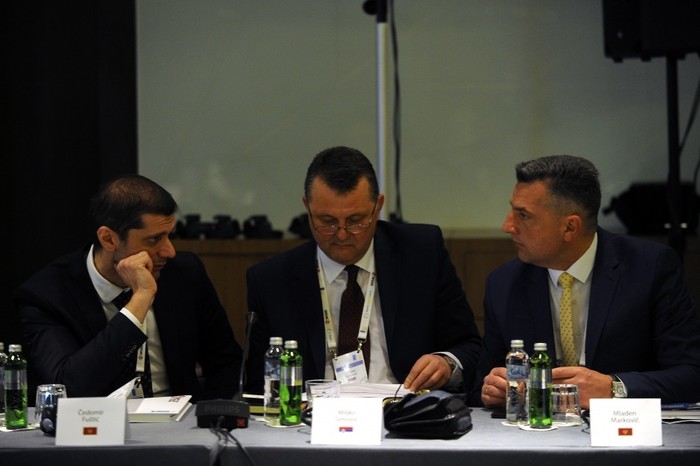
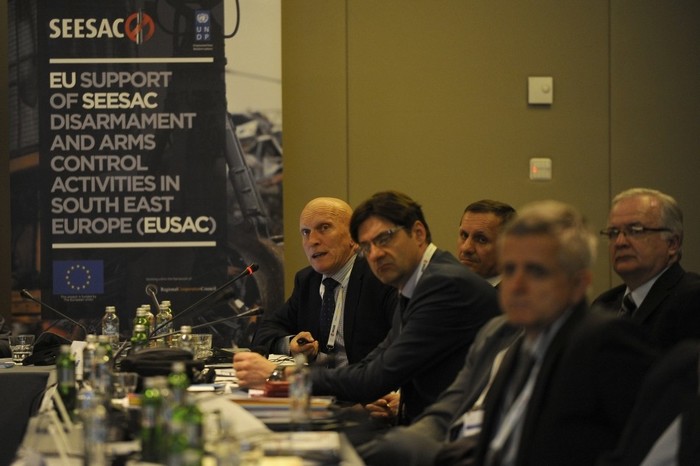
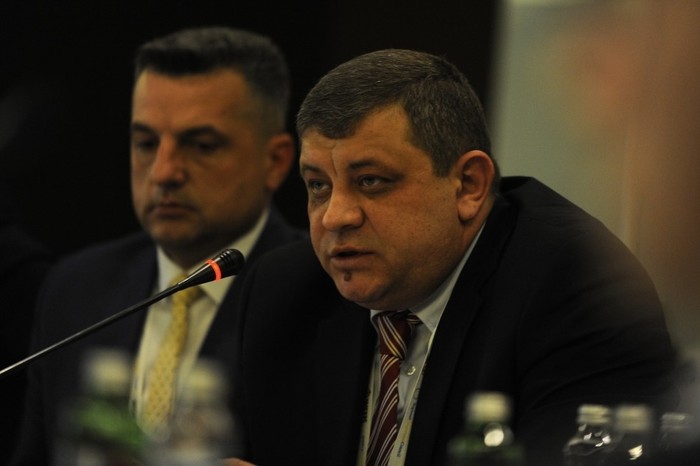
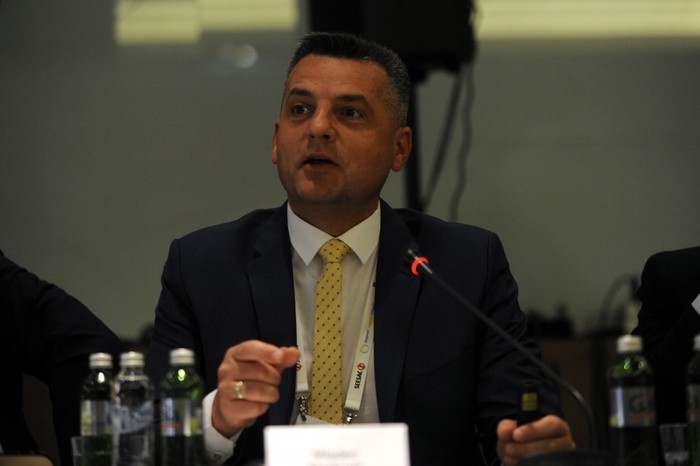
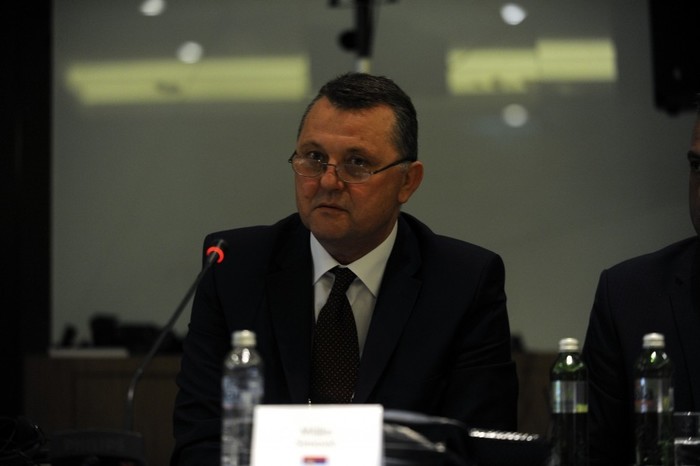
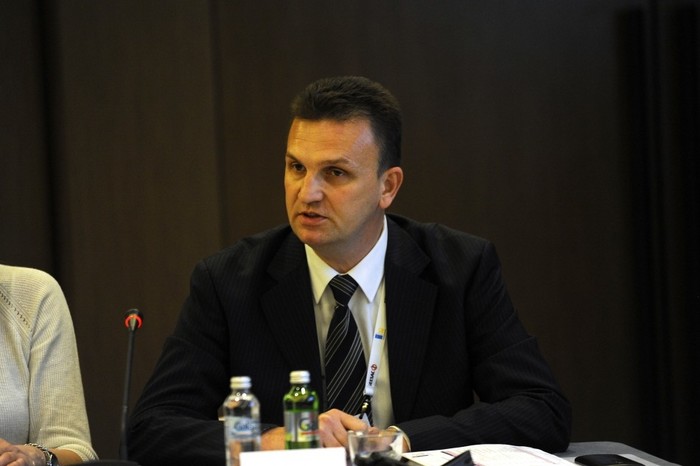
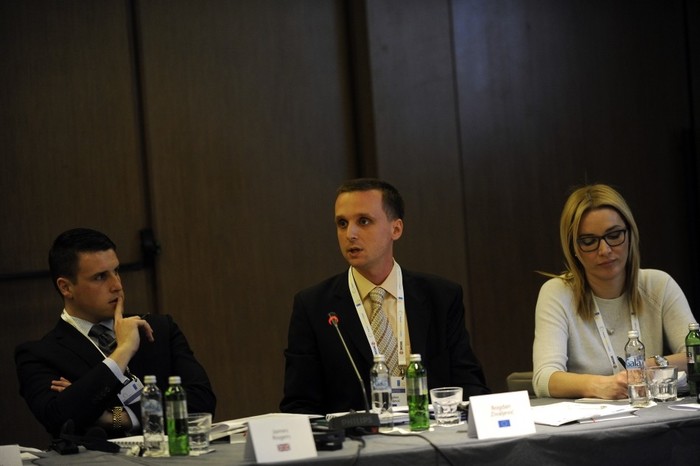
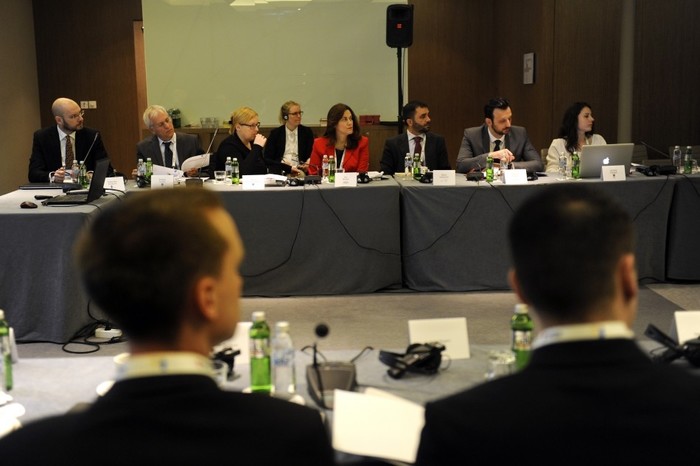
BELGRADE - The Regional Steering Group (RSG) for Small Arms and Light Weapons (SALW) held its annual meeting on 5 April 2015, in Belgrade, co-chaired by the the Regional Cooperation Council (RCC) and the United Nations Development Programme (UNDP). The meeting gathered over 50 participants, including SALW focal points or their representatives from Albania, BiH, Croatia, Moldova, Montenegro,
Romania, Serbia and the former Yugoslav Republic of Macedonia, as well as SEESAC’s key partners and representatives of the donor community. The SALW focal points from the region’s countries shared their 2015 results and 2016 plans, in both the regional and national context.
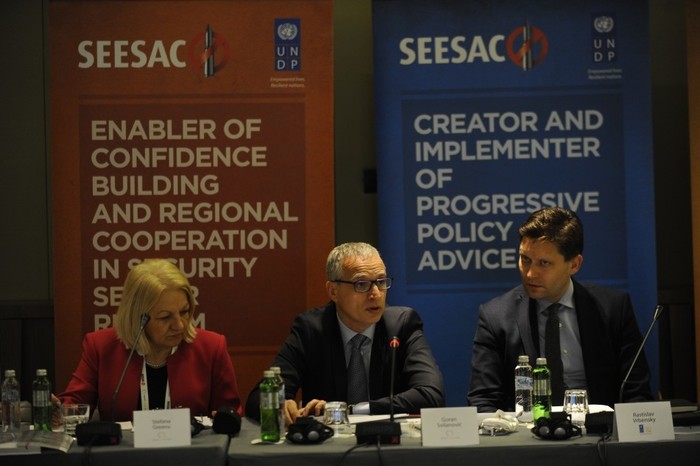
Opening the annual meeting, Secretary General of the Regional Cooperation Council Mr. Goran Svilanovic welcomed participants and expressed appreciation to SEESAC for working on security and cooperation in South East Europe (SEE).
“With almost fifteen years of experience, SEESAC supported efforts against the threat of SALW and fostered regional cooperation”, RCC Secretary General said emphasizing the work SEESAC has done in two projects, Armed Exports Control Programme (ACP) funded by the Kingdom of Norway and the EU Support of SEESAC Disarmament and Arms Control
Activities in South East Europe Project – EUSAC.
“I commend the participants and partnerships from the region in increasing transparency, information sharing and cooperation in SEE”. Mr. Svilanovic said.
He shared the work RCC has been doing in the field of security, especially the work of SEEMIC and SEENSA initiatives.
Recognizing a long lasting partnership with the RCC, the Manager of the UNDP Regional Hub for Europe and the CIS in Istanbul Mr. Rastislav Vrbensky welcomed participants to what he stressed is an important annual gathering, highlighting SEESAC’s role as regional SALW clearinghouse. “The Regional Steering Group is an essential component in ensuring SEESAC as regional SALW focal point”, Mr. Vrbensky said, adding that this meeting is
timely and will lead to discussions on results, challenges and needs ahead.
Emphasizing the results made by now completed ACP project and ongoing EUSAC project, Mr. Vrbensky pointed out the Regional Information Exchange Process (RIEP) and South East Europe Firearms Expert Network (SEEFEN) as examples of best practices.While helping countries fight proliferation, “SEESAC became a platform for exchange of experience, building confidence and establishing bridges among institutions and organizations”, Mr. Vrbensky said.
“Through the EU funded EUSAC project, we are working together with seven beneficiaries,” Mr. Vrbensky noted emphasizing that “this is the third year in implementing EUSAC and many advances have been made involving policy makers and practitioners”.
Mr. Vrbensky highlighted the launch of the Regional Security Sector Reform Platform (RSSRP) that offers expertise in the niche areas of SALW Control and Gender Mainstreaming in SSR, with 50 experts available on short notice and for short terms targeted deployments in combination with SEESAC staff.
“United Nations is implementing the range of measures to combat proliferation of SALW globally”, Mr. Vrbensky said, adding that sustainable development goals have been adopted in September last year and that the work of SEESAC not only directly contributes to Goal 16, but also Goals 5 and 17.
“UNDP is fully committed to strong partnerships towards safer region”, Mr. Vrbensky concluded.
SEESAC Coordinator Dr. Ivan Zverzhanovski presented SEESAC’s achievements in 2015 and plans and initiatives for 2016.
“In 2015, SEESAC’s SALW work had three pillars: EUSAC as the largest, our second pillar ACP concluded last year and the project implemented in Serbia, CASM, has been transferred to the UNDP Serbia Country Office. In 2016, SEESAC is continuing to work on regional projects only.” Dr Zverzhanovski said.
Highlighting results made by the ACP and elaborating on each of the Components of the EUSAC project, Dr. Zverzhanovski emphasized that the project’s different targets have been met. He explained that the whole region is making good progress, but more needs to be done, emphasizing plans to further increase security of stockpiles through infrastructure improvements, reduce stockpile through weapons and ammunition destruction, improve marking, tracing and registration of SALW by enhancing cooperation among law enforcement institutions in the region, improve regional cooperation on awareness raising, information sharing and knowledge transfer and implement awareness raising and collection campaigns.
“SEESAC is increasing capacity of countries in South East Europe, making this region able to export knowledge”, Dr. Zverzhanovski added highlighting that “Regional cooperation is becoming SEE trademark”.
National SALW focal points and their representatives from Albania, Bosnia and Herzegovina, Croatia, Moldova, Montenegro, Romania, Serbia, and the former Yugoslav Republic of Macedonia discussed their ongoing needs and future plans, as well as their accomplishments and challenges during the past year.