
Recommendations presented for Europe-wide ballistic information sharing network to tackle gun crime
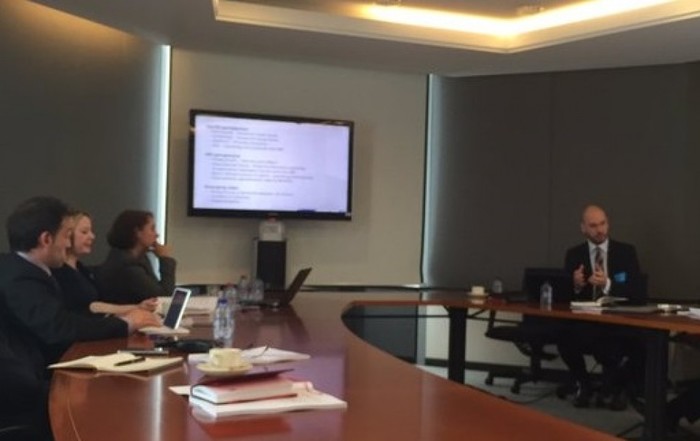
SEESAC took part in the presentation organized by Project EFFECT, led by Coventry University, with the aim of informing MEPs of the recommendations emanating from the results of the 2-year research.
The event, which took place at the European Parliament on 25 May 2016, was sponsored by MEP Dan Dalton from the United Kingdom, and also attended by DG Home, EUROPOL and INTERPOL representatives as well as representatives of the UK Home Office and UK National Crime Agency.
Project EFFECT and SEESAC jointly presented the recommendation to establish the South East Europe Ballistic Information Network that would help in gathering, analyzing and sharing information not only about the firearms, but also its pertaining ballistic material. Furthermore, it would ensure the sharing of information between SEE and the EU.
In order to improve the efficiency of efforts to combat illicit trafficking of firearms, the main recommendation emanating from the research is for countries across Europe to establish national “Firearms Focal Points” to collect, study and share ballistic data. Such focal points, properly networked, would help reduce the number of deaths and injuries caused by gun crime and terrorism.
While researchers looked in detail at countries in South Eastern Europe, the recommendations are relevant to all European countries, regardless of whether they are members of the EU, having in mind that the findings of the research have demonstrated that in several instances same firearms have been used in crimes in multiple countries in South East Europe and in the EU member states.
“Enabling that network to operate alongside a proposed EU-wide network, with ballistic information being shared between a number of jurisdictions through agreed protocols and managed by Europol, which already handles criminal intelligence to improve effectiveness and cooperation between states, would allow links between gun crime, criminals and the firearms trafficking across the continent to be identified”, Dr Helen Poole of the Coventry University explained.
As part of the research Arquebus, a UK based company specializing in ballistics intelligence, was asked to examine 1,000-gun cartridge cases provided by the Serbian Police Directorate from their file of previously committed crimes in Serbia, and examine them further, working with the country’s National Criminalistics Technical Centre.
“In our examination of cartridge cases in Serbia, using Ballistic analysis systems not currently available in the country, we were able to identify connections relating to around 50 shootings which occurred in different times and even in different countries, most probably even committed by different perpetrators but with same firearms”, Arquebus Director Matt Lewis said adding that the results were also compared against ballistic databases in other countries and identified potential links with the former Yugoslav Republic of Macedonia, territory of Kosovo and Sweden. He emphasized that a Europe-wide ballistic information network will help further reduce deaths and injuries caused by the illegal use of firearms for crimes and terrorism.
The EFFECT Project, funded by the EU and launched in February 2015, looked to analyze the prevalence of gun crime across Europe through a relevant Case Study and based on the findings identify initiatives and interventions that should be further pursued and developed to tackle the problem in a more coherent and holistic manner.
SEESAC is providing support through the EU Support of SEESAC Disarmament and Arms Control Activities in South East Europe Project (EUSAC), as part of its third component: Improved marking, tracing and registration of SALW: through the provision of support to the establishment or enhancement of existing weapons registration and record-keeping systems..