
Information
One Year After the Kraljevo Earthquake – A Lot Has Been Accomplished
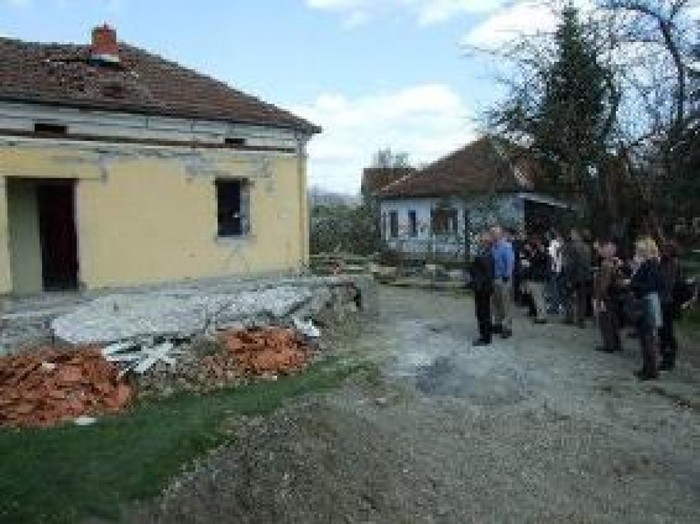
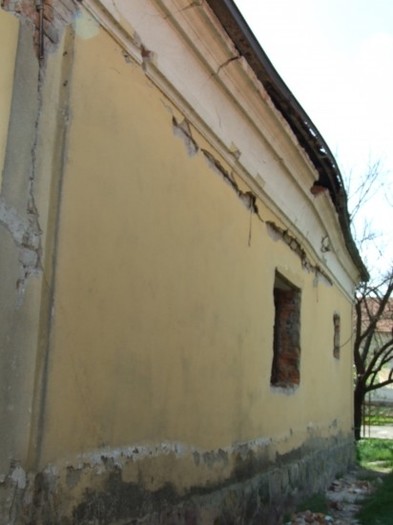
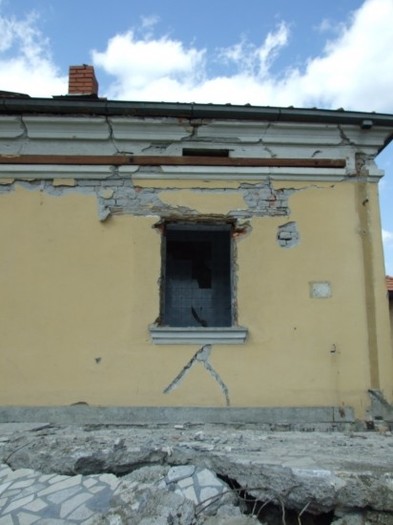
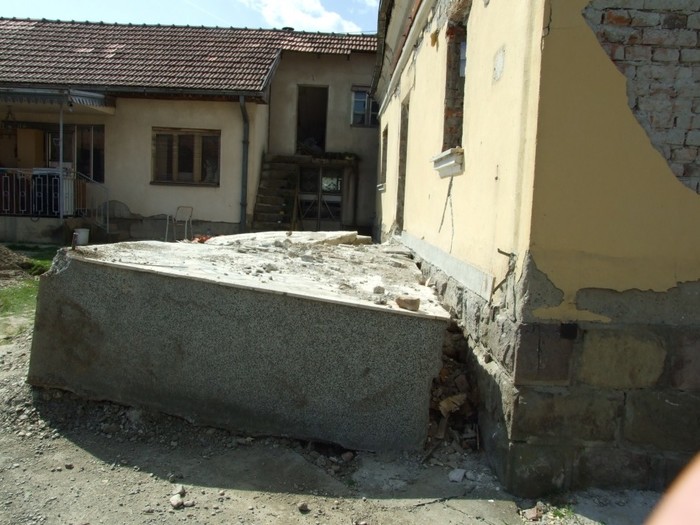
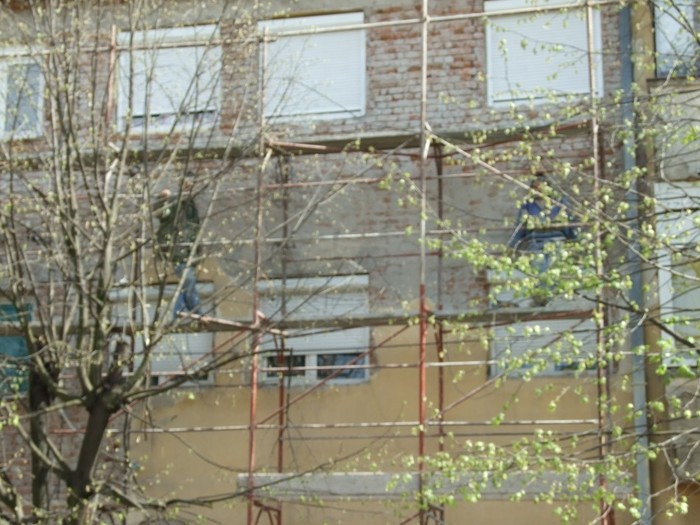
In the immediate aftermath of the quake, the Government of Serbia asked the United Nations Resident Coordinator to assist in coordinating the international aid effort, and to launch an appeal for international assistance. The UNDP’s Bureau for Crisis Prevention and Recovery (BCPR) mobilized urgently-need funds that supported the damage assessment which was a prerequisite for rebuilding and recovery. The damage assessment comprised over 16,000 detailed records that informed and guided the rebuilding and recovery efforts that were spearheaded by the newly-formed municipal Department for the Reparation of the Consequences of the Earthquake.
The Municipality responded deliberately, and with support from the government and people of Serbia, and from external partners, the damage has largely been repaired, but the impacts will be felt in perpetuity, because it has inspired a committed and concerted national effort to bolster disaster preparedness, prevention and recovery. In addition to providing post-quake relief, the UNDP also assisted the Government to enhance and strengthen its capacity for future recovery planning. Together with the Ministry of Interior’s Sector for Emergency Management (SEM), the UNDP mobilized an expert and highly-experienced team from the Kobe, Japan-based International Recovery Platform. The team led an after-action assessment and delivered a three-day Training on Resilient Recovery for 30 national and municipal officials who are on the front-lines of disaster risk reduction. These staff learned about Early Recovery Processes and Post Disaster Needs Assessment, and they refined knowledge and approaches to addressing shelter, infrastructure, health, livelihoods and other sectors that are impacted by disasters. They also examined looming environmental threats associated with climate change, which could lead to more intense floods or fires. Members of SEM’s National Training Center subsequently received more intense and extensive disaster risk training, and are now certified to train others in Serbia and in the region.
Over the past year, the Government has built substantive institutional capacity, and it has also dramatically accelerated work on the normative framework for disaster prevention and preparedness. This week, the Sector for Emergency Management submitted its National Strategy for Protection and Rescue in Emergency Situation to Government, and parliamentary approval is expected before year-end. This strategy will guide future initiatives at the national and local levels that will reduce risk and vulnerability, and mitigate the impact of future disasters. The UNDP and the United Nations will remain stalwart partners in implementing this strategy, and in building strong foundations for disaster prevention, preparedness, response and recovery for the benefit of all in Serbia.