
Graduate Increase of Women in Police Services in South East Europe - Latest Analysis Now Available Online
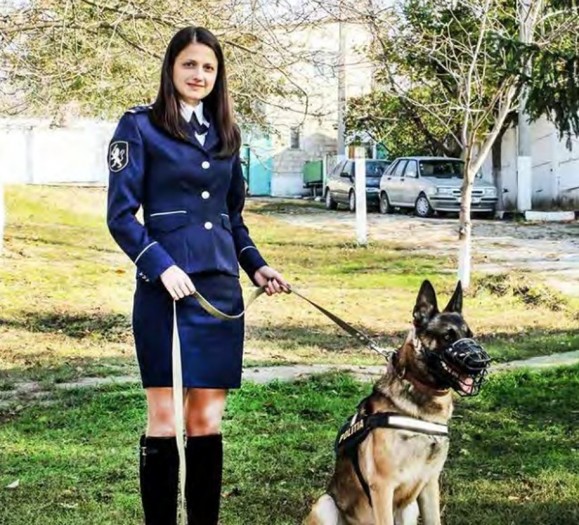
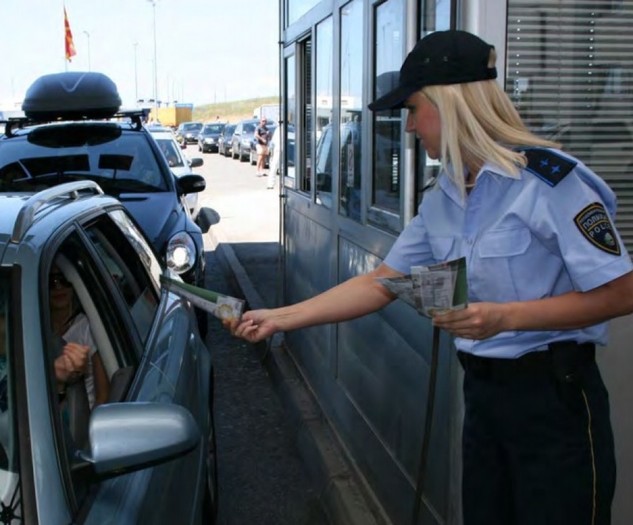
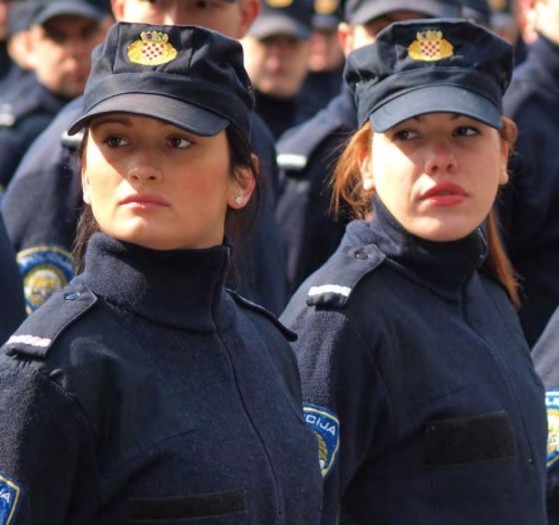
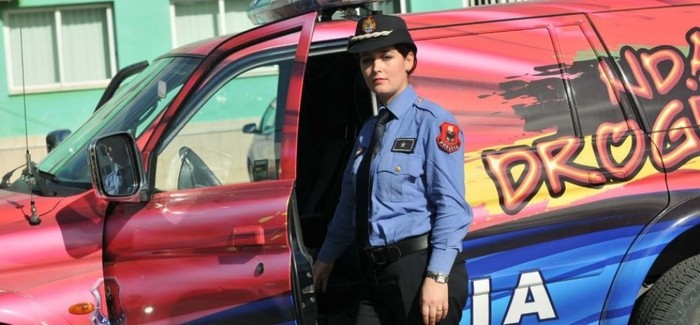
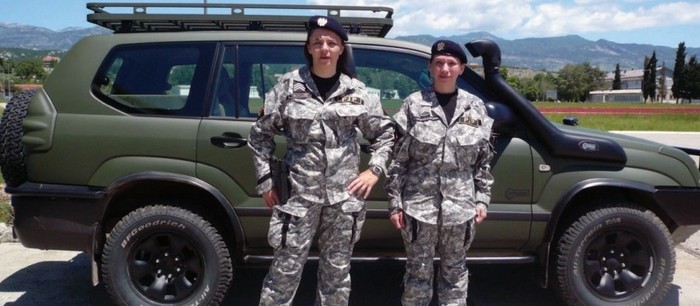
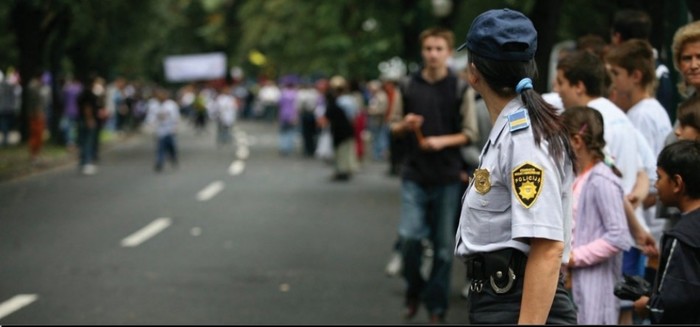
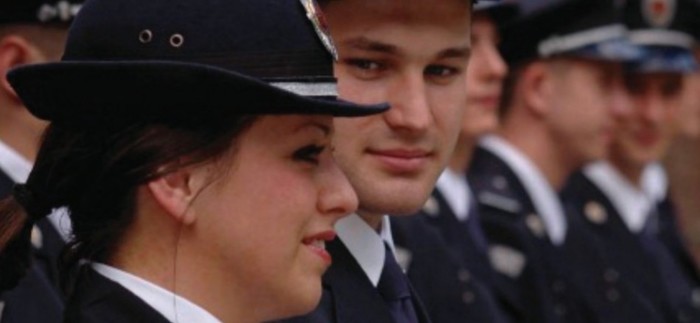
Women in Police Services in South East Europe, an analysis by the Women Police Officers Network (WPON) in South East Europe (SEE)is now available online, in the publication section of SEESAC’s website. The report provides an analysis on the position of women in the police services of Albania, Bosnia and Herzegovina, Bulgaria, Croatia, Moldova, Montenegro, Serbia and the former Yugoslav Republic of Macedonia.
The analysis offers an impressive amount of data on current representation of women in police services and in different ranks, as well as an analysis of trends in representation of women in basic police training and police academies in the last 5 years. The publication is also a follow up to one of the recommendations from the Guidelines for Gender Sensitive Policing which stresses that gender disaggregated data collection and
analysis of trends is a precondition for gender responsive evidence based policy development.
The design of the methodology, the collection of data and the analysis itself are a product of the work of the members of the Women Police Officers Network in South East Europe (WPON) with UNDP SEESAC support, demonstrating not only excellent regional cooperation among police services through WPON, but above all increased gender expertise of WPON members achieved with SEESAC’s assistance since 2009.
The study shows there was an increase of representation of women in three out of nine police services in SEE (for which data exist) since the start of the WPON Project in 2009. The current analysis will allow detailed monitoring of representation of women in police services from now on. In general, there is proportionate increase of women in Basic Police Training as well as in Police Academies. In one Police Academy they represented over 56% of graduates in one year, although in one Police Academy the representation of women among graduates is still only around 10%.
The representation of women in Basic Police Training and Police Academies is on average higher than their current representation in police services. This means that further gradual increase of women in police services can be expected in the coming years. Their professional development will nevertheless need further attention since in the majority of police services, women are still mostly represented at the lowest levels/ranks.
The study also shows that according to 2013 data, women represent between 6.5% and 19.2% of uniformed and commissioned staff in police services in SEE. Overall, including civilian personnel, women represent between 10.7% and 29.9% of employees of police services.Only a few women occupy top or senior level positions in police services in SEE. Most of the uniformed and commissioned women hold lower level positions, although in some police services, the majority of uniformed and commissioned
women hold mid-level positions (showing that after initial increase of women in these police services, their influx is on decrease).
The design of the methodology, the collection of data and the analysis itself are a product of the work of the members of the Women Police Officers Network in SEE with SEESAC’s support, demonstrating not only excellent regional cooperation among police services through WPON, but also an increased gender expertise of WPON members achieved with SEESAC’s assistance since 2009.
On Women Police Officers Network in South East Europe
With UNDP SEESAC functioning as its Secretariat, WPON provides a platform for information sharing and knowledge exchange across police services in South East Europe (SEE) on the status, needs, and priorities of policewomen and has become a unique regional platform for gender equality in policing. Through this platform, WPON strives to facilitate both the advancement of the position of women in police services as well as gender-sensitive policing practices.
Established in 2010 at the initiative of the Southeast Europe Police Chiefs Association (SEPCA) and with the support of SEESAC, WPON brings together high-ranking women representatives from nine police services, namely: Albania; Bosnia and Herzegovina – Federation; Bosnia and Herzegovina – Republika Srpska; Bulgaria; Croatia; Moldova; Montenegro; Serbia; and the former Yugoslav Republic of Macedonia.