
Belgrade hosts the 5th Roundtable of the “Being a Peacekeeper” Series
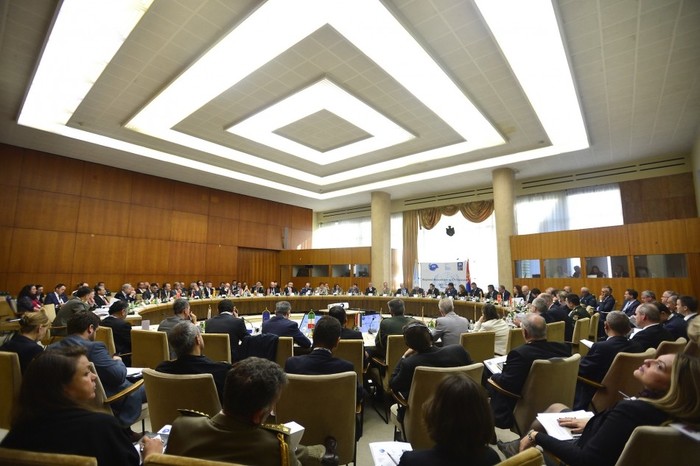
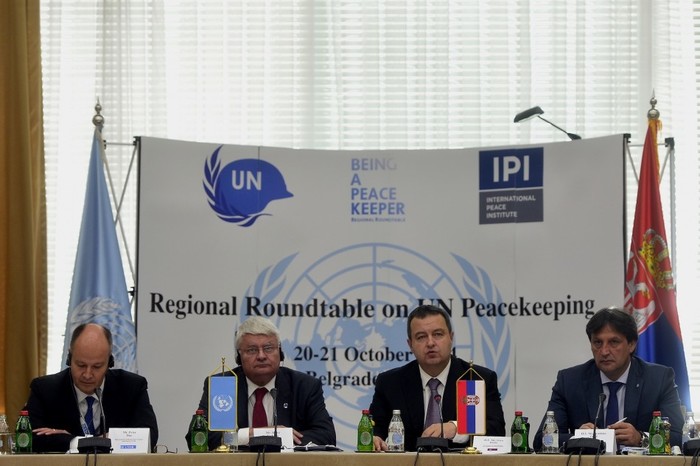
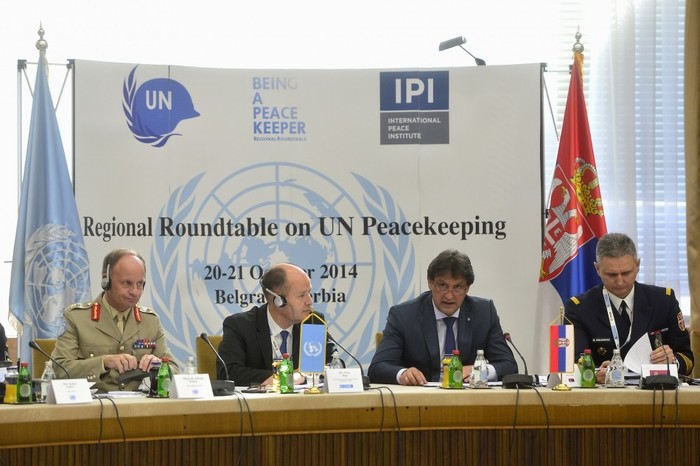
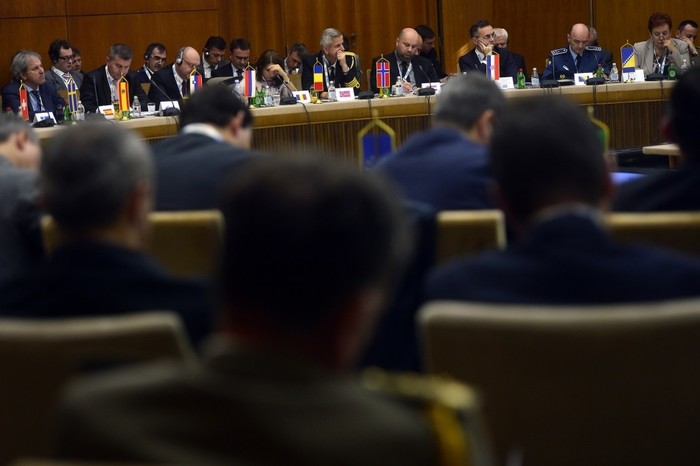
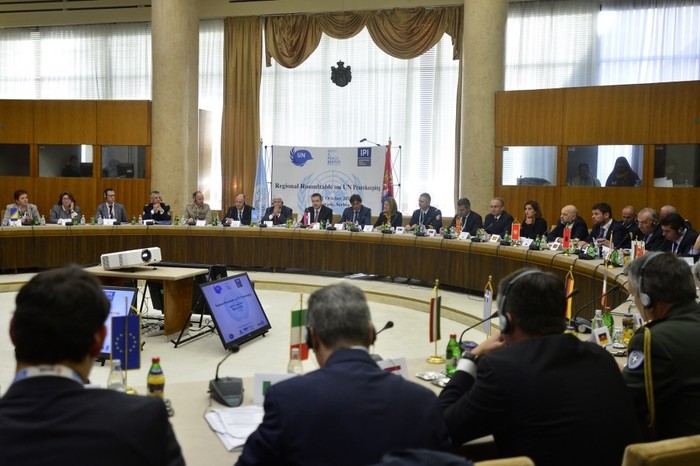
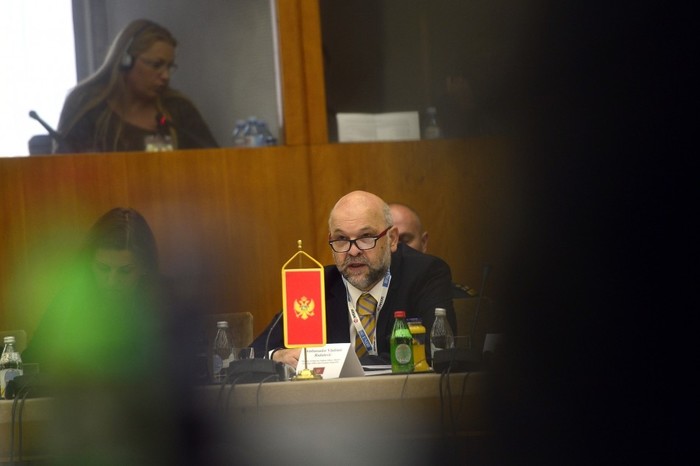
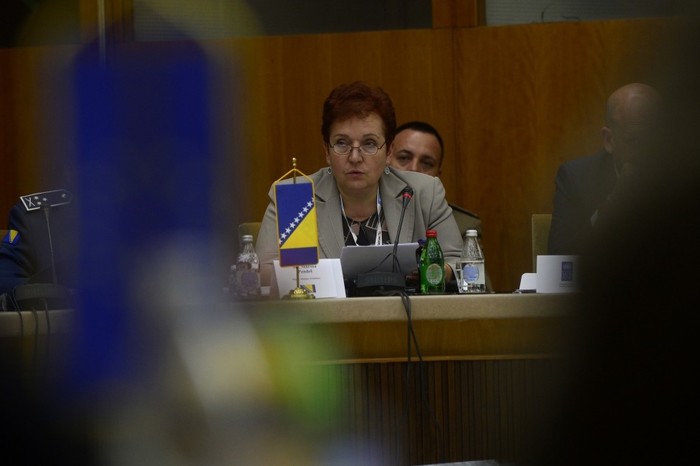

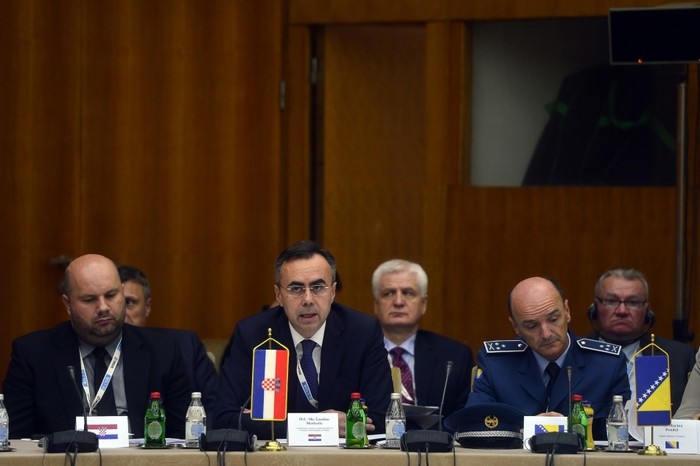
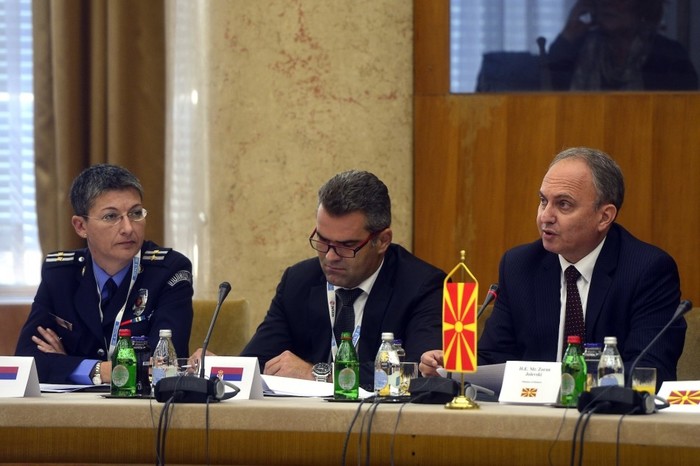
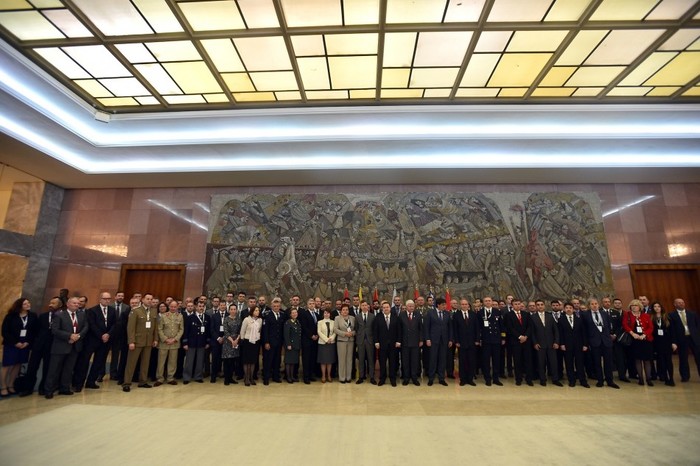
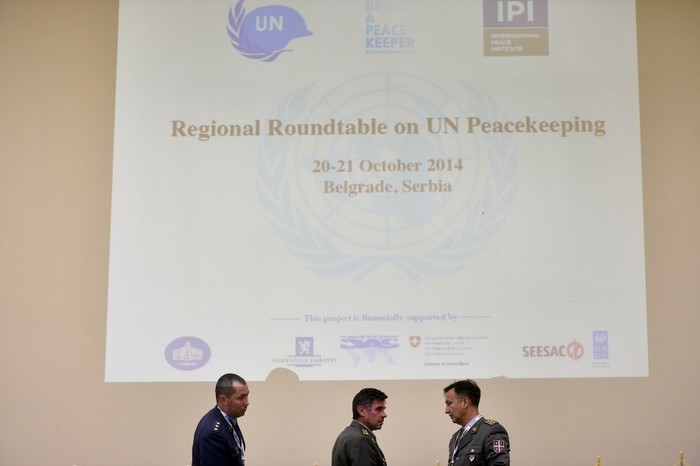
On 20-21 October 2014, the 5th in a series of roundtables titled “Being a Peacekeeper” was held in Belgrade, Serbia. These high-level meetings, previously held in New York, Kuala Lumpur, Berlin and Buenos Aires, are designed to bring together existing, emerging, and potential troop and police- contributing countries, as well as senior UN officials to exchange lessons, concerns, and future opportunities.
Spearheaded by the International Peace Institute (IPI) and the UN Department of Peacekeeping Operations (DPKO), the Belgrade meeting was organized in co-operation with the Government of Serbia, UN Office
in Belgrade (UNOB) and UNDP’s SEESAC initiative. The meeting’s aim was to encourage both increasing of national contributions and regional cooperation within the Western Balkans, through joint deployments to UN peacekeeping operations.
The meeting was made possible thanks to the generous support of the Embassy of Norway in Serbia, as well as the Embassy of Switzerland and the Delegation for Strategic Affairs of the French Ministry of Defence.
Senior representatives of the Governments of the Western Balkan countries, together with representatives of approximately twenty five other member states, the European Union, OSCE, and NATO partook in the meeting.
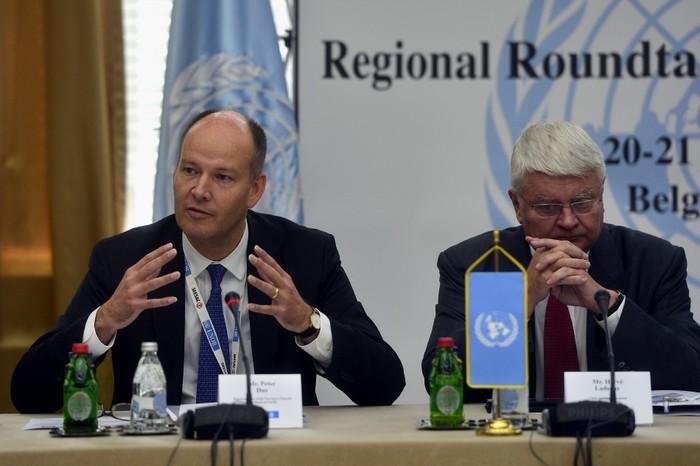
Serbia’s Deputy Prime Minister and Minister of Foreign Affairs - Mr. Ivica Dacic opened the meeting together with the UN Under-Secretary General and Head of the Department of Peacekeeping Operations (DPKO) - Mr. Herve Ladsous, and Representative of the Secretary General and Head of the UN Office in Belgrade,
Mr. Peter Due.
Also present were high-ranking representatives of a number of countries in the region, including H.E. Mr. Zoran Jolevski, Minister of Defence of the former Yugoslav Republic of Macedonia; the Minister of Defence of the Republic of Serbia, Mr. Bratislav Gasic; and the Deputy Minister of Defence of Bosnia and Herzegovina, Ms. Marina Pendes, among others.
PM Dacic noted that, the UN is tasked not only with preventing conflict and maintaining peace, but also with post-conflict development. Tackling this complex challenge requires a holistic approach, clear vision, development of partnerships, and deepening of cooperation, among other things. Serbia is dedicated to pro-active multilateralism and considers regional cooperation and integration to be a key aspect of its foreign policy, said Dacic.
USG Mr. Ladsous opened up his speech by commending the countries of the Western Balkans on great strides they have made in since the 1990’s when the region was mired in conflict. They have progress from importing to exporting security. Mr. Ladsous discussed DPKO’s current challenges and needs, such as a need for rapid deployment and change in the mindsets of participating countries. Mr. Ladsous expressed hopes that the Belgrade meeting will prompt countries in the region to continue and
increase their support for the missions.
Currently DPKO has some 125,000 of military, police and civilians deployed in sixteen peacekeeping missions around the world.
High-representatives of all participating states expressed their continued commitment to the work of DPKO, as well as their readiness to continue providing and increasing the support deemed necessary. Similarly, several countries stressed their commitment to increasing the number of women participating in the UN missions. In addition, Bosnia and Herzegovina offered to provide trainings for future peacekeepers from across the region.
The meeting also served as an opportunity for all involved to touch upon important topics, including: current challenges and opportunities facing peacekeepers, ways to increase women’s participation in peacekeeping, what it means to be a troop/police contributing country, regional cooperation and joint deployments, and peacekeeping partnerships.
Maj. Gen. Adrian Foster, Mr. Stefan Feller, and Mr. Oliver Ulich of DPKO discussed new trends and challenges of peacekeeping work. Given the increasing variety of peacekeeping environments that the UN is facing today, special attention was paid to the issues of educating peacekeeping personnel – in particular their preparation for the realities of each mission, as well as their ability to understand and address the particular demands of local
populations.
Sessions also focused on identifying and bridging the gaps between the capabilities of the military, the police and civilians. The support of UN Member States has been, and will always be, essential for finding solutions and achieving the goals of peacekeeping missions.
Maj. Gen. Kristin Lund, Force Commander of the UN Peacekeeping Force in Cyprus; Lt. Col. Biljana Lazarevic of the Ministry of Interior of Serbia; and Commander Jan Dunmurray of the Nordic Center for Gender in
Military Operations tackled the issue of increasing women’s participating in peacekeeping. They stated that on average, women make up only 3% of peacekeeping forces and that more are much needed. In many areas of the world, women are the only ones who can reach 100% of the population, making their participation crucial for DPKO’s ability to do its work effectively. The level of women’s participation is directly related to their representation in their national institutions,
panelists explained. Prejudice against women and misgivings about their capabilities, unwelcoming environment, and long-term absence from home, were among the reasons noted as causes for the low participation of women in mission work.
Maj. Gen. Foster, Mr. Feller, and Ms. Cecilia Hull Wiklund of the DPKO FOI closed the first day by discussing the operational details of what it means to be a troop/police- contributing country (TCC). Among the issues discussed were: steps TCCs need to take to increase participation, new reimbursement rates and premiums, minimum standards, divisions of responsibilities in terms of training, UN’s integrated training service, etc.
The discussion on the second day was more focused on regional cooperation, joint deployments and peacekeeping partnerships generally and potentials for those in the Western Balkans. Brig. Gen. Michael Claesson from Swedish Ministry of Foreign Affairs presented positive results of the cooperation among the Nordic countries. Maj.Gen. Slaboljub Janicijevic, Deputy Commander of Joint Operational Command in the Serbian Armed Forces and Dr. Raffi Gregorian, Director of Peace Operations, US State Department presented their own experience – based ideas, with focus on the regional cooperation among the Western Balkans countries deploying their personnel in peacekeeping missions.
Final session focused on peacekeeping partnership. Mr. Gabriel Bernier, Head of Defence Policy and Planning Division, NATO, Dr. Claus Neukirch, Deputy Director, Conflict Prevention Centre, OSCE and Mr. Oliver Ulich, Head of Partnership, DPKO presented their experience in cooperation between different regional and international organization, including UN, in peacekeeping missions.
The meeting will be followed up by more technical and thematic meetings in other capitals in the Western Balkans in 2015. Bosnia and Herzegovina offered to host the first follow up meeting in Sarajevo. Furthermore, it was agreed that the UN Department of Peacekeeping Operations will be invited to the relevant regional military and police fora in order to help enhance regional participation in UN peacekeeping.