
13 October – International Day for Disaster Reduction - Recognizing the Special Role of Women in Disaster Risk Reduction at the National Parliament
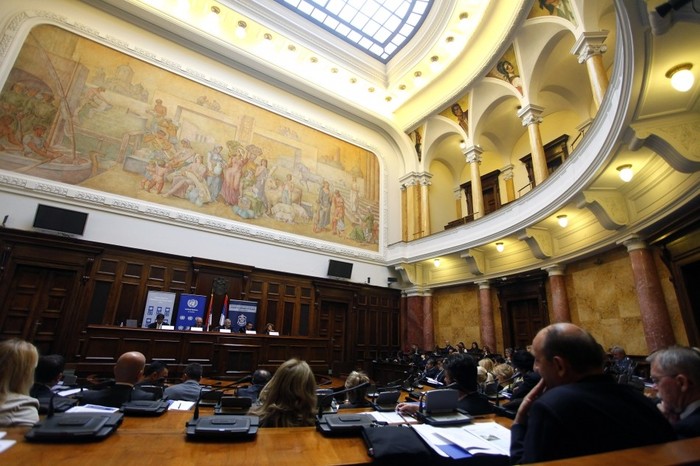
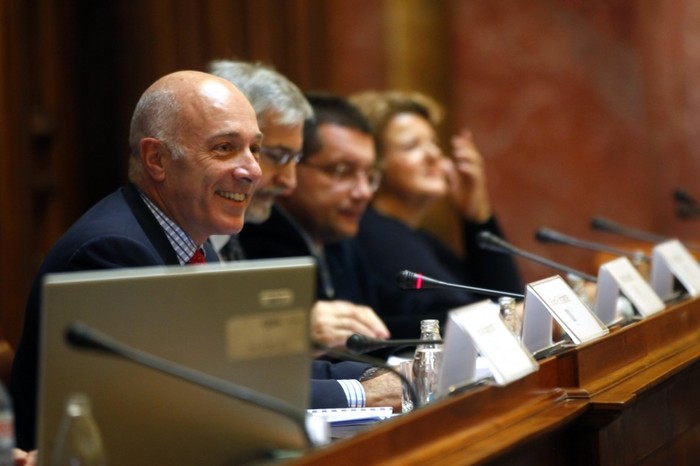
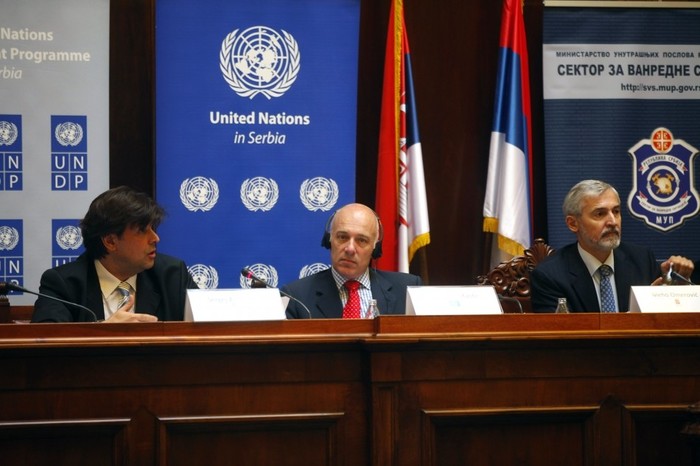
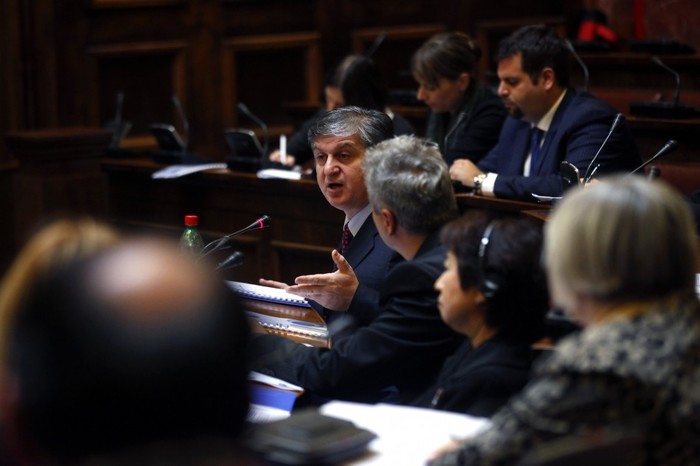
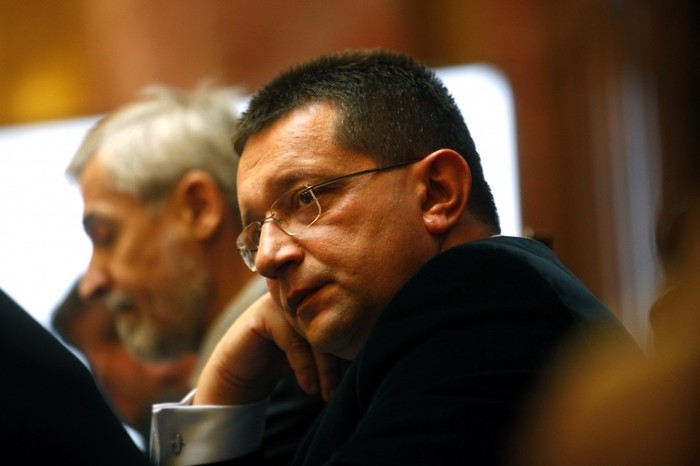
In order to mark the International Day for Disaster Reduction – 13 October, Committee on Human and Minority Rights and Gender Equality at the National Assembly of the Republic of Serbia (RS) held a session on the
topic: "Women and Girls: The [in]Visible Force of Resilience.” The meeting was co-organized with the United Nations Development Program (UNDP) in Serbia and the Sector for Emergency Management of the RS Ministry of Interior.
On this occasion a newly published preliminary results of the UNDP “Study on Gender in the Field of Disaster Risk Reduction in the Republic of Serbia” were presented.
The committee members and numerous guest were addressed by Meho Omerovic – the Committee Preseident, William Infante - United Nations Resident Coordinator and UNDP Resident Representative, Predrag Maric - Assistant Minister and Head of the Sector for Emergency Management and Natalija Mićunović - Director of Gender Equality Directorate at the Ministry of Labour, Employment and Social Policy of the Republic of Serbia. The study was
presented by Sergej Anagnosti - UNDP National DRR Adviser.
Opening the session, Mr. Meho Omerović pointed out that “Serbia has made significant strides towards better prevention, management and response to disasters, having passed the Law on Emergency Situations and having developed a National Strategy. Unfortunately, the specific role women have in disasters was not considered nor included in these documents,” said Omerovic. This year, 13 October is a day on which “we hope to attract the attention of the nation to this
problem.”
Mr. Infante, noted that “Serbia has already pioneered the effort to better integrate women in police services in the Southeast Europe (SEE) region, through its active engagement in and leadership of the Women Police Officers Network (WPON) in SEE. Therefore, there is no reason why Serbia should not be a regional leader of gender mainstreaming in DRR as well.” Mr. Infante explained that “while we know that women are more
effected by disasters and that they largely remain excluded from the relevant decision-making processes on the issue, we still do not have a clear picture of why this is and what we can do to change their predicament…The aim of the study is to provide us with answers and help outline concrete steps towards improving the situation.”
“Disasters can not be eliminated but they can be managed if people are educated and prepared for them. Our goal is to build the capacity of Serbia’s institutions and society to prevent, manage and respond to disasters,” Predrag Marić explained. Women are most affected by disasters and are also the first responders. Therefore they an integral part of a successful capacity building equation.
Natalija Mićunović expressed her satisfaction with the UNDP for recognizing the need to introduce gender perspective in the disaster risk reduction strategy. She underlined the link between gender-based violence and women’s role and experience of disasters in Serbia.
Mr. Anagnosti presented the preliminary recommendations of the study, following which a vibrant discussion was held. In addition to the members of the Committee for Human and Minority Rights and Gender Equality, the session was attended by their colleagues from the Committee for Defence and Internal Affairs of the National Assembly of the Republic of Serbia, numerous representatives from the ministries of Interior, Defence, and Environment, colleagues from the
non-governmental sector, and guests from across the region.